

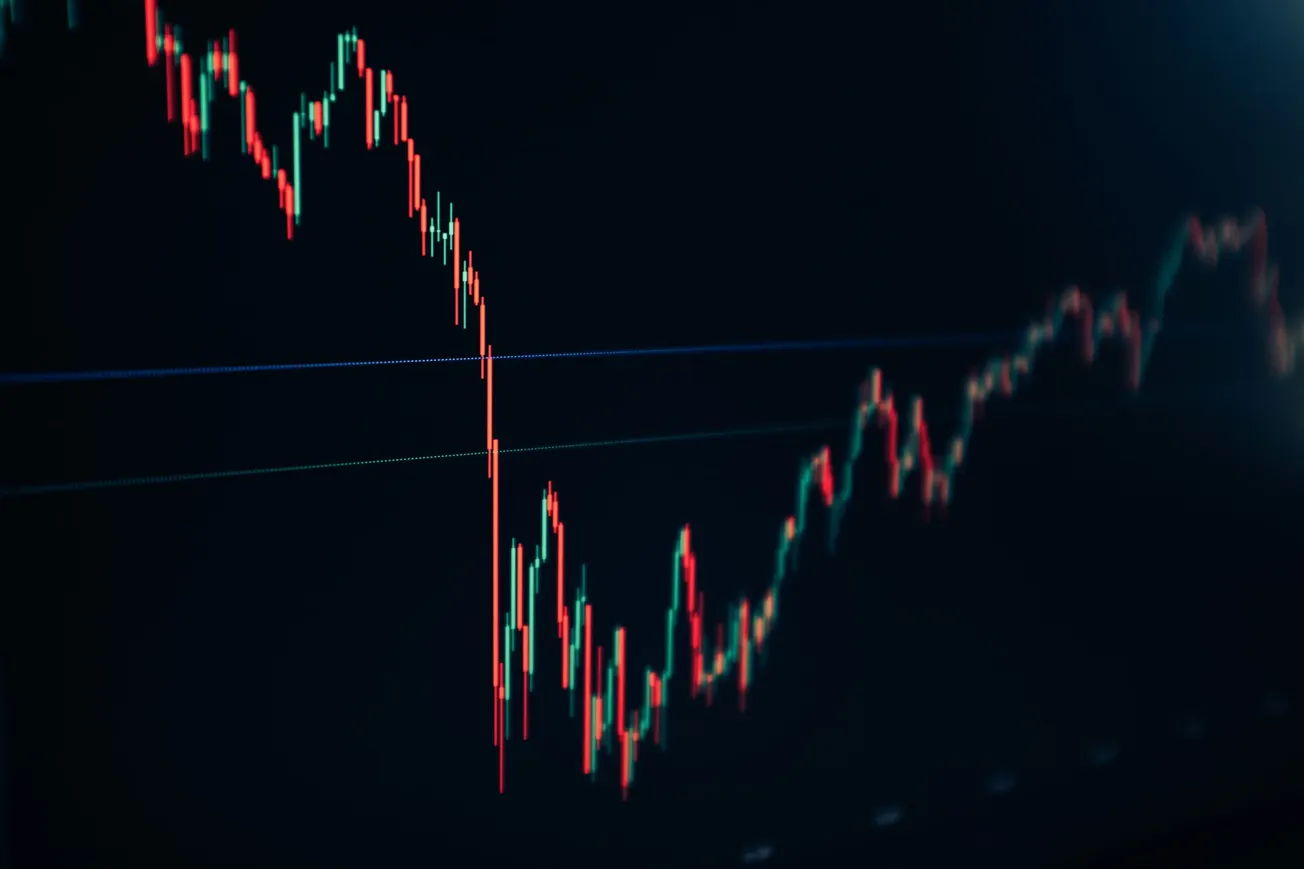
In an era defined by rapid information flow and instant trade execution, the pace at which investors react to market fluctuations has reached unprecedented speeds. Recent market activity has raised a critical question for leadership and stakeholders: are investors truly rushing their decisions during times of volatility, or is the perceived urgency a byproduct of modern technological integration?
For the business community in Bentonville and beyond, understanding these capital flows is essential. The movement of investment dollars often serves as a leading indicator for retail expansion, supply chain scaling, and the adoption of emerging technologies.
The Psychology of the Volatile Market
Market volatility often triggers a "flight to quality" or, conversely, a rush toward speculative opportunities. When economic signals—such as labor reports or consumer spending data—show inconsistency, the impulse to move quickly can become overwhelming. However, senior analysts suggest that "rushing" may be a mischaracterization of what is actually increased liquidity and high-frequency data processing.
In the retail and logistics sectors, volatility is often tied to external shocks, such as shifts in trade policy or energy costs. For institutional investors, the challenge lies in distinguishing between a temporary "noise" in the data and a fundamental shift in the consumer landscape.
Technology as an Accelerator
The current investment environment is heavily influenced by the same digital transformation driving omnichannel retail. Algorithms and AI-driven platforms can execute massive trades in milliseconds, creating a visual sense of "rushing" that may actually be highly calculated.
This technological layer adds a level of complexity to the shopper journey and corporate strategy. As companies in Northwest Arkansas continue to lead in retail innovation, they must also navigate how their stock performance is impacted by these high-speed market participants. The integration of technology in finance mirrors the integration of tech in the warehouse; both aim for maximum efficiency but can lead to heightened sensitivity to small disruptions.
Strategic Discipline for Long-Term Growth
While the broader market may appear to be in a state of constant motion, the most successful leaders prioritize strategic discipline over reactive movements. For those invested in the growth of the omnichannel ecosystem, the focus remains on fundamental strengths:
- Diversification of Assets: Protecting against localized market shocks by spreading risk across technology, logistics, and consumer goods.
- Data-Informed Decision Making: Utilizing deep-dive analytics rather than reacting to headlines or short-term price swings.
- Infrastructure Investment: Recognizing that long-term value in retail is built on robust supply chains and seamless customer experiences, regardless of current market "noise."
The Outlook for Retail Investors
As we move further into 2026, the intersection of investor sentiment and retail reality will continue to tighten. Whether it is the impact of Federal Reserve policy or the adoption of new delivery models, the data suggests that while the speed of investing has increased, the principles of sound investment remain the same.
For stakeholders following the dynamics of the global retail center in Bentonville, the goal is to remain agile without being impulsive. By understanding the underlying drivers of market volatility, leaders can better position their organizations to thrive even when the financial waters appear turbulent.