

Australian logistics tech start-up Get it Fast is looking to raise up to $5 million from investors to fuel its next phase of expansion. The company, known for its same-day and next-day delivery services, has partnered with major retailers like Kmart, Baby Bunting, and Anaconda. Sydney-based adviser Acova Capital is assisting Get it Fast in securing institutional investors to support growth initiatives and working capital needs. With a focus on localized delivery within a 15-kilometer radius of retail hubs, Get it Fast aims to disrupt the country's delivery landscape dominated by Australia Post, Allied Express, and DHL. The company's platform coordinates e-commerce orders and offers fixed delivery fees per package. Get it Fast anticipates profitability in the near term and has achieved significant revenue growth of 465% over the past year.
Read the Full Article Here

Logistics Startup Get It Fast Seeks $5 Million Funding to Accelerate Growth
Australian tech firm disrupting the delivery landscape aims to expand its same-day and next-day logistics services
Related

Ep. 15 - Tribal Knowledge: What Algorithms Miss in Logistics
Overroute CEO Alex Reed shares how he built an embedded startup inside JB Hunt, revealing why agentic AI needs to blend with human tribal knowledge and how tracking Time to Dopamine drives real front line adoption.
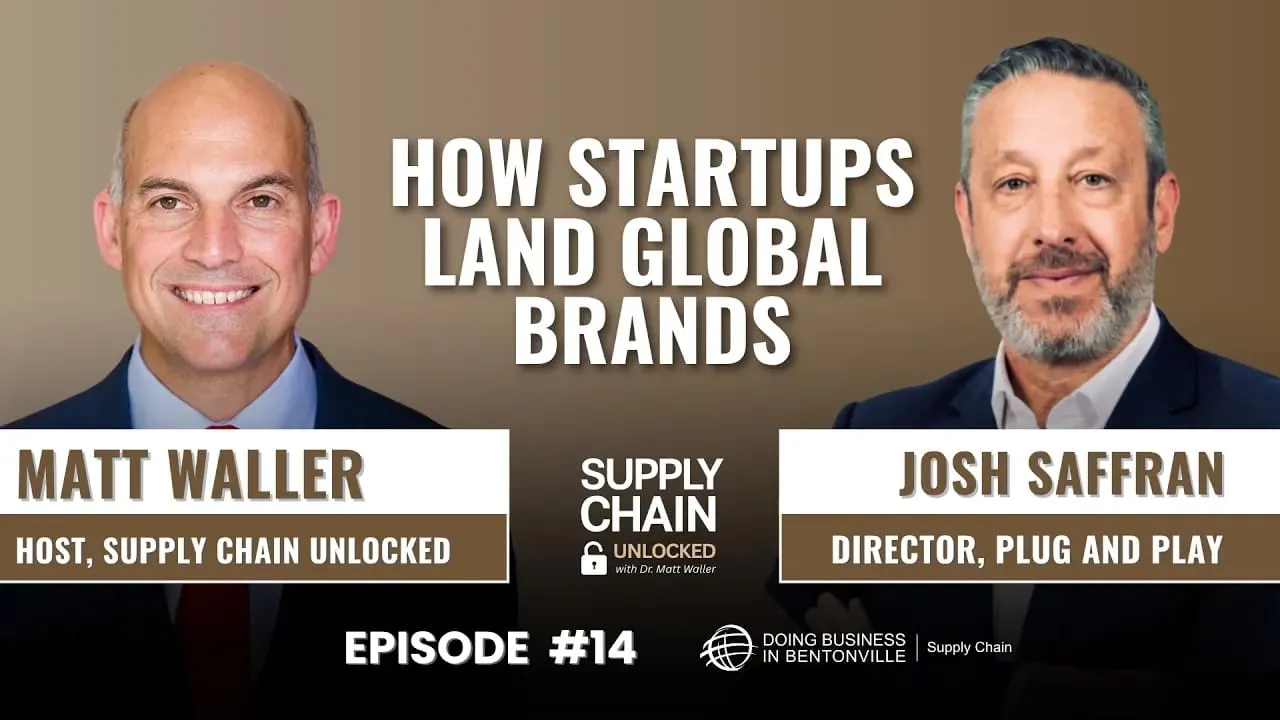
Ep. 14 - Supply Chain Tech: Connecting Startups to Global Brands
Josh Saffran of Plug and Play Arkansas breaks down how open innovation connects early stage startups with Fortune 500 logistics needs, covering AI, autonomous forklifts, and the build versus buy decision for corporations.

Armor Bank Expands Footprint With New Fayetteville Branch Construction
Armor Bank advances its Northwest Arkansas growth strategy with a new Fayetteville branch, enhancing regional financial infrastructure and commercial development along College Avenue.

LLC vs S Corp: Strategic Business Structure Differences for Growth
Understanding LLC and S Corp distinctions in tax, ownership, and management is crucial for strategic business growth and compliance in today's dynamic market.
Latest
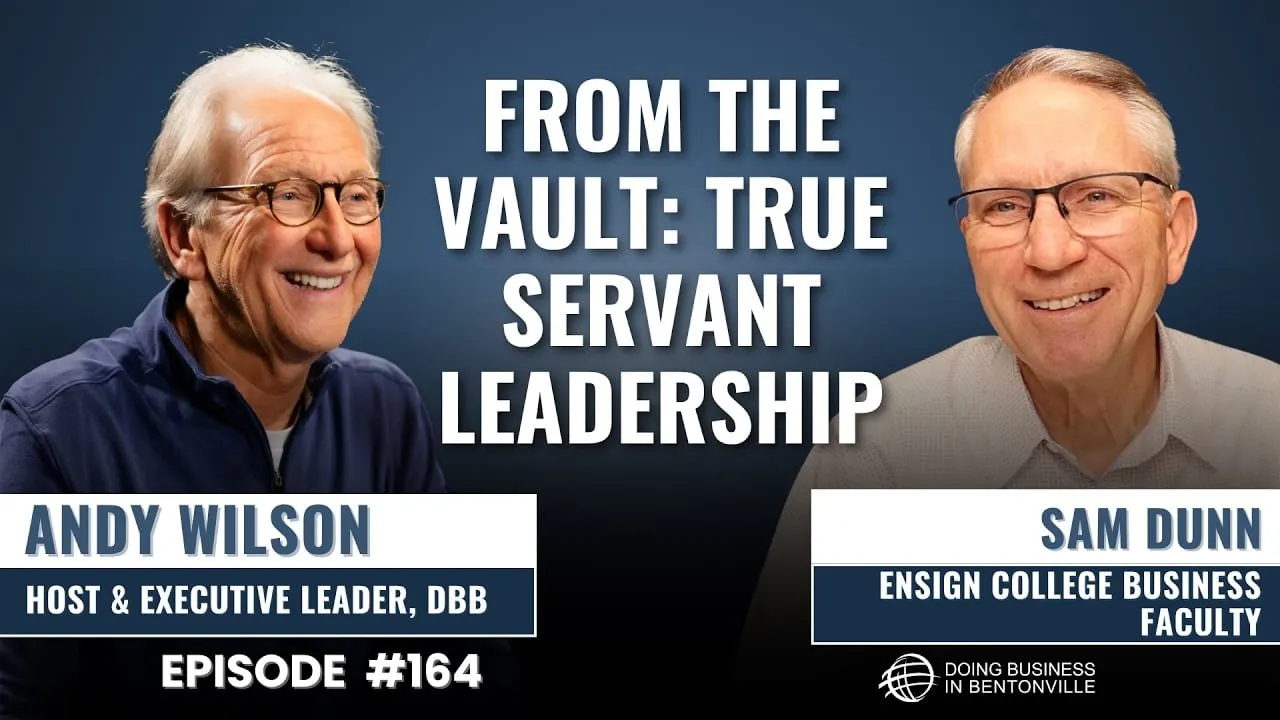
Ep. 164 - From the Vault: What Executives Learn from Sam Walton
Former Walmart SVP Sam Dunn shares operational lessons from working under Sam and Rob Walton, breaking down the costly Hypermart rollout and how leadership stabilized profits after a shattered 99 quarter growth streak.
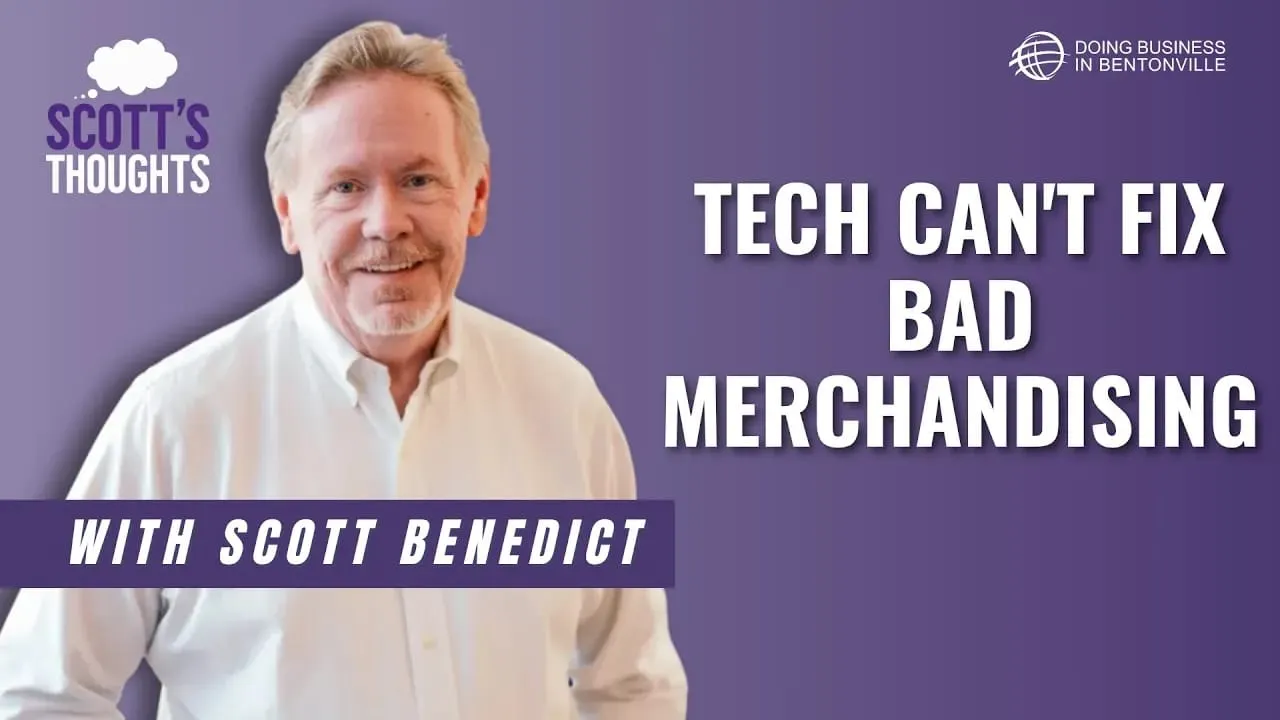
Target’s Comeback Is a Reminder That Merchandising Still Matters
Scott Benedict breaks down how Target's return to core merchandising and faster assortment refresh cycles is driving traffic, showing why sourcing emerging brands often beats big marketing when demand stalls.
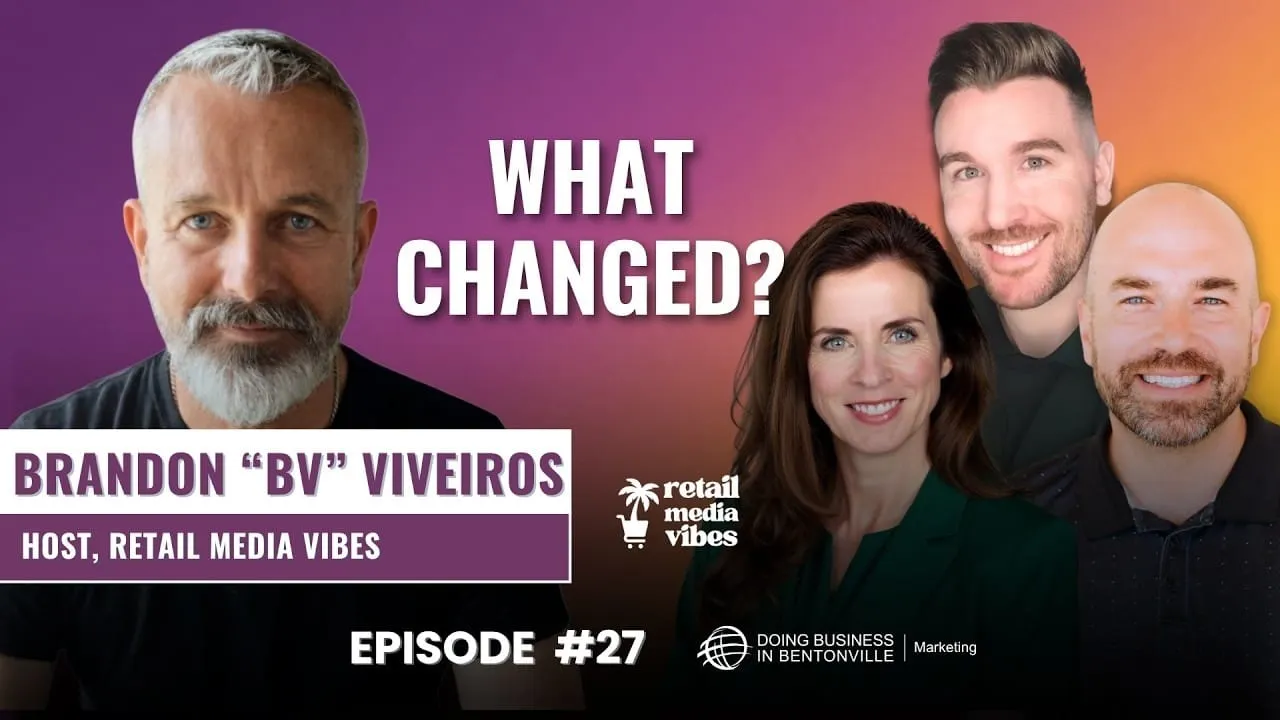
Ep. 27 - Retail Media Vibes: One Year Later
Brad Godwin, Jessica Hendrix, and Tom Breeden mark one year by breaking down artificial scarcity, AI's role in shopping, and how leaders can retain top talent while deploying generative tools without losing the human touch.

Ep. 6 - Warehouse Wars: Costco, BJs, and Sam's Club
Retail veteran Walter Holbrook breaks down Q2 earnings, revealing how out of stock issues cost the industry $1.4 trillion annually and why disciplined floor execution, not remodels or tech gimmicks, actually drives sales.