
The closure of Leading Labels, a well-established fashion retailer, signals a critical juncture for traditional brick-and-mortar businesses grappling with modern market dynamics. Understanding this shift is essential for industry professionals navigating the complexities of today's retail landscape and the evolving omnichannel experience.
This development offers crucial insights into how e-commerce growth, consumer behavior shifts, and operational costs are reshaping corporate strategy and demanding robust digital transformation from all retail brands.
The Shifting Retail Landscape and Intensifying Competition
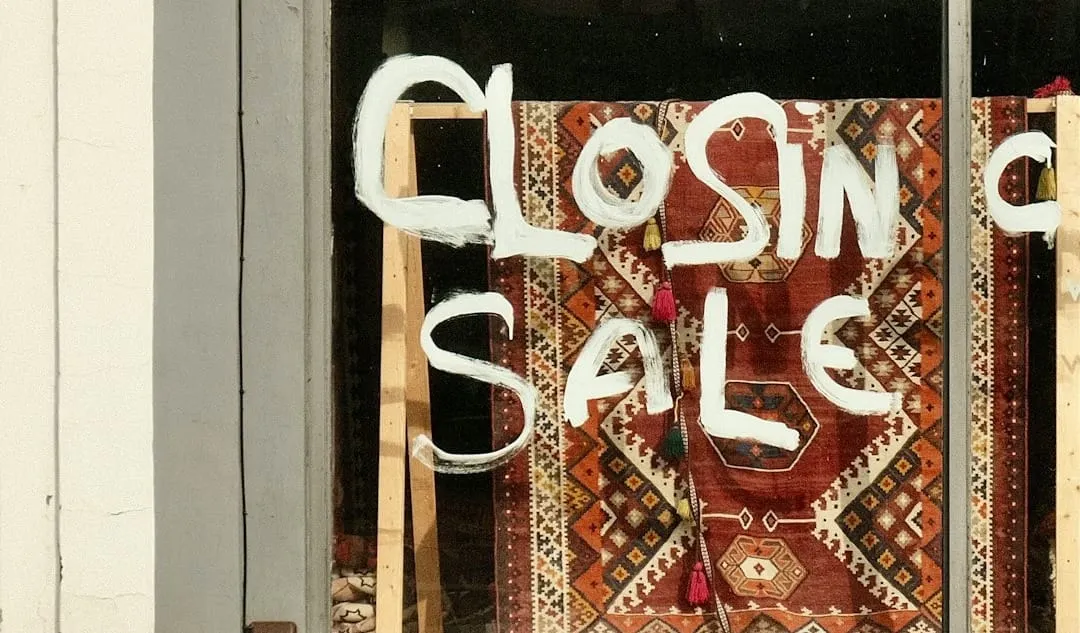
Leading Labels, founded in 1993, built a three-decade reputation as a destination for discounted designer fashion across the UK and Ireland. Despite a loyal customer base, the company confirmed the closure of all its 15 remaining stores after entering liquidation on May 26.
This liquidation highlights significant pressures on physical retail operations, including rising operating costs and dramatically changing consumer expectations. Shoppers increasingly prioritize convenience, competitive pricing, and swift delivery, compelling legacy brands to fundamentally rethink their business models and embrace an integrated omnichannel approach.
The company's off-price retail model also contended with burgeoning competition from fast-growing e-commerce marketplaces like Shein and Temu. These digital-first platforms have redefined price points, product selection, and delivery speeds, eroding the traditional advantages once held by outlet retailers.
Leading Labels stores undergoing liquidation sales included locations such as:
- Basildon
- Bolton
- Boston
- Carlisle
- Chesterfield (Barlborough)
- Cleethorpes
- Cumbernauld
- Evesham
- Ipswich
- Kidderminster
- Lincoln
- Loch Lomond Shores (Balloch)
- Norwich
- Stevenage
- Hornsea
Omnichannel Imperatives for Modern Retail Survival
The global e-commerce market was valued at an estimated $33.91 trillion in 2025 and is projected to surge to $155.98 trillion by 2033, demonstrating a substantial compound annual growth rate of 21.6%. This explosive growth underscores the urgent need for retailers to invest in digital capabilities and enhance the holistic customer experience.
Long-term survival in the retail industry increasingly depends on a delicate balance between operational efficiency and continuous digital innovation, coupled with a seamless customer journey. Retail analysts at Forrester emphasize the critical importance of these factors for navigating the dynamic market landscape.
Many established brands that have been slow to modernize their infrastructure and corporate strategy now face significant financial strain as consumer spending continues to shift online. A comprehensive omnichannel retail strategy is no longer optional but a fundamental requirement for sustained success.
Broader Industry Trends and Future Outlook
The struggles of Leading Labels are not isolated events within the retail sector. Numerous fashion retailers have recently announced restructuring plans, insolvency proceedings, and extensive store closures as industry-wide challenges persist.
For example, fashion retailer Quiz revealed plans to close all 37 of its remaining standalone stores by June 2026, marking its second administration in under a year. This pattern of consolidation and restructuring is becoming increasingly common across the fashion industry.
McKinsey & Company's State of Fashion 2026 Report projects low-single-digit growth for the global fashion industry, citing ongoing macroeconomic uncertainty, tariff pressures, and value-conscious consumer behavior. Industry experts anticipate further consolidation and strategic adaptations as economic pressures remain elevated and competition from agile online retailers intensifies.