Embracing Curiosity Over Comfort in Modern Leadership
The rapid acceleration of digital transformation, artificial intelligence, and evolving consumer habits has fundamentally disrupted the modern workplace. Organizations frequently find themselves shifting from traditional headcount metrics to dynamic skill count management to maintain operational resilience.
In this era of continuous market volatility, traditional business checklists are no longer sufficient. To survive and thrive, corporate strategy must pivot toward organizational design that prioritizes human-centered leadership and psychological agility over static expertise.
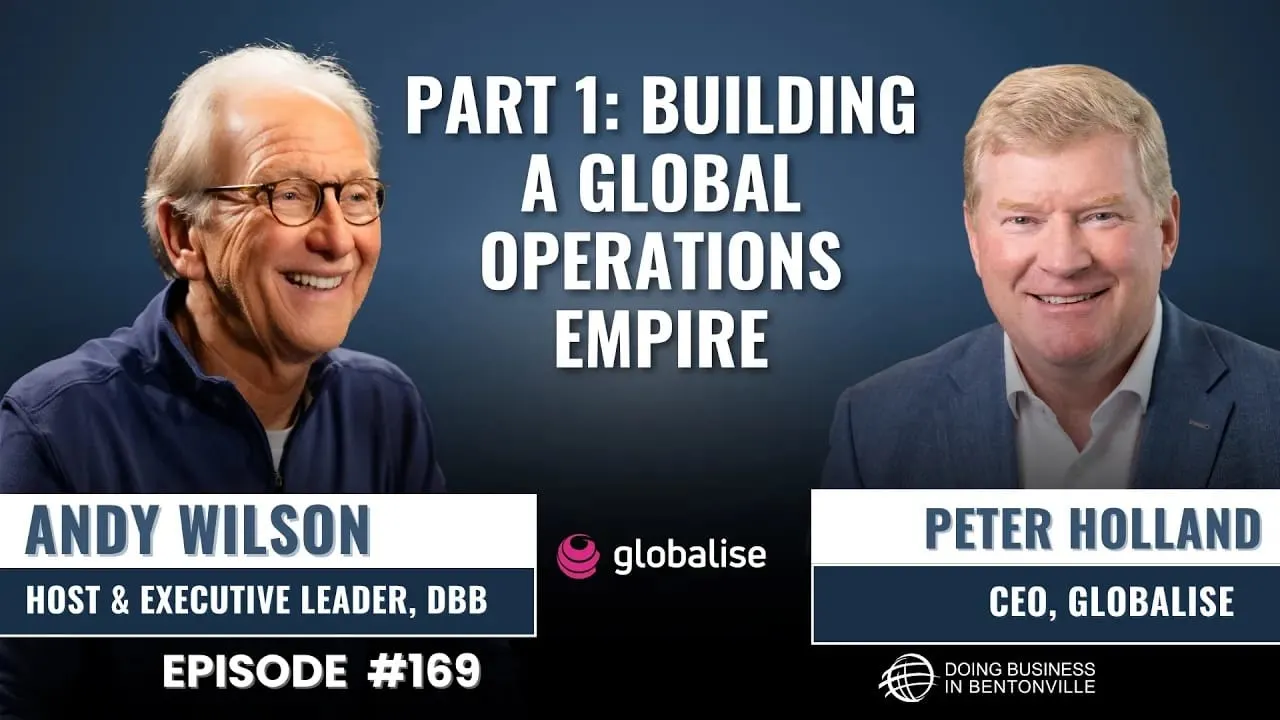
On a recent episode of the Doing Business in Bentonville Podcast, host Andy Wilson sat down with Rachel Heisten, founding partner of LifeWork Talent, to dissect how modern executive development must evolve. The conversation highlighted a critical bottleneck in corporate growth: the tendency for organizations to prioritize technical execution over the complex dynamics of human capital management.
For business clusters navigating massive digital transitions, embedding a culture of intellectual humility is becoming a key competitive advantage.
Navigating the Unlearning Curve
A primary challenge for modern executives is moving past the expert trap. Throughout professional careers, individuals are routinely rewarded for their tactical, functional, and technical expertise. However, when leaders ascend to senior organizational positions, relying solely on historical expertise can blind them to marketplace disruptions.
True organizational agility requires a dedication to the unlearning curve – the conscious process of dismantling legacy mindsets and discarding habits that no longer align with future corporate strategies.
According to Heisten, the primary tool required to navigate this unlearning process is authentic curiosity. Rather than viewing curiosity as an inherent personality trait, modern organizational frameworks treat it as a practical, strategic skill. By actively practicing intentional inquiry and active listening, leaders can bridge internal execution gaps, cultivate high-level corporate trust, and accurately identify the shifting talent development needs across their enterprise.
Complicated Metrics Versus Complex Human Challenges
To optimize workforce performance, corporate leadership must understand the fundamental difference between complicated tactical problems and complex human relationships. Complicated problems are highly technical issues governed by data, logic, and sequential processes.
Managing supply chain optimization, programming complex logistics tracking software, or deploying agentic artificial intelligence are examples of complicated tasks. Because these issues follow predictable rules, businesses can leverage advanced technological systems and software automation to solve them efficiently.
In contrast, complex challenges involve human behavior, workplace culture, and team motivation. Building a cohesive corporate environment, resolving internal team friction, managing executive succession planning, and helping employees navigate macro-level organizational restructuring are deeply complex challenges. There is no algorithmic model or repeatable line of code that can fix a broken corporate culture or restore team morale.
As artificial intelligence takes over predictable, data-heavy tasks, human-centered leaders must intentionally redirect their mental bandwidth and strategic focus toward these complex human elements. This shift ensures that as technological capabilities expand, the human infrastructure supporting the enterprise remains secure.
The Strategic Value of Embracing Discomfort
Human biology naturally predisposes individuals to seek out routines that conserve energy and maintain comfort. However, meaningful talent development and organizational evolution do not happen within a zone of total comfort. Executive maturity requires the professional courage to lean into mild discomfort. This includes addressing cultural toxicities directly, initiating difficult accountability conversations, and acknowledging internal professional blind spots.
When corporate leaders model this workplace courage, it flows down through the entire organization, establishing a resilient talent pipeline prepared to face external macroeconomic disruptions. While advanced software systems can easily streamline operational workflows and maximize output, technology cannot provide workforce teams with a genuine sense of purpose or belonging. By focusing heavily on behavioral expertise, life-work integration, and corporate curiosity, forward-thinking organizations can build an agile, future-proof workforce ready to lead through the next decade of industry transformation.
For deeper insights into the specific methodologies driving modern workforce development, explore the full conversation on the Doing Business in Bentonville Podcast.