
The definition of "worth it" is undergoing a fundamental shift for Generation Z and high-stress consumers. As inflationary pressures persist, the modern shopper is moving beyond mere price comparisons, opting instead for integrated technology and retail environments that offer maximum visibility and control over their dwindling discretionary income.
According to a recent report from PYMNTS Intelligence, titled "The New Checkout: Crimped Consumers Lean Into Online Retail and Digital Wallets," financial strain is actively reshaping the omnichannel retail landscape. The data suggests that for Gen Z, the adoption of digital wallets is less about the novelty of the technology and more about the practical necessity of budget management.
The Strategic Pivot to Digital Wallets
The report, which surveyed over 2,100 U.S. adults, reveals a stark divide in payment preferences based on financial health. Approximately 28% of consumers under high financial stress utilized a digital wallet for their most recent retail purchase, compared to just 11% of low-stress consumers. Among Generation Z specifically, digital wallet usage for retail purchases surged to 36% in late 2025, a significant increase from the 15% recorded in early 2024.
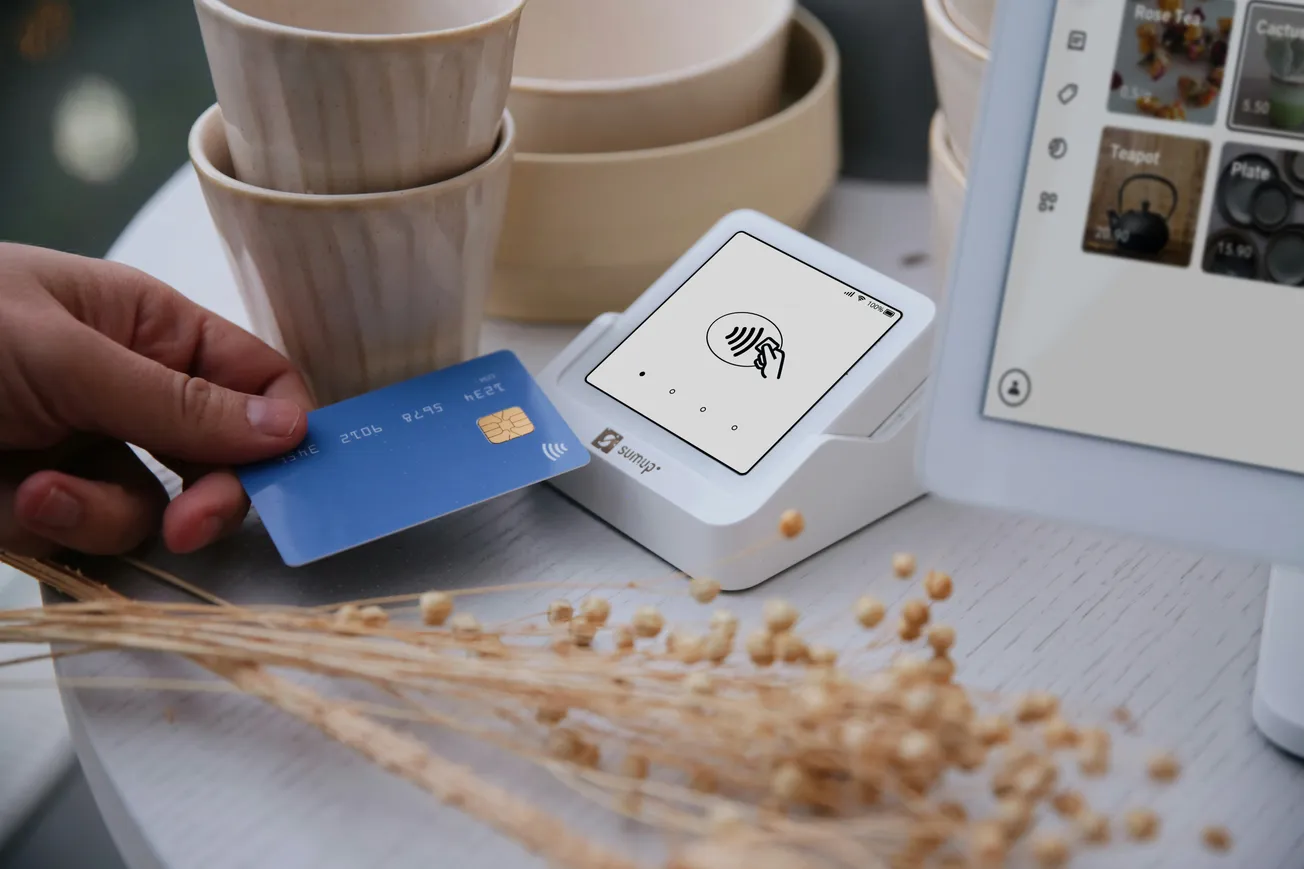
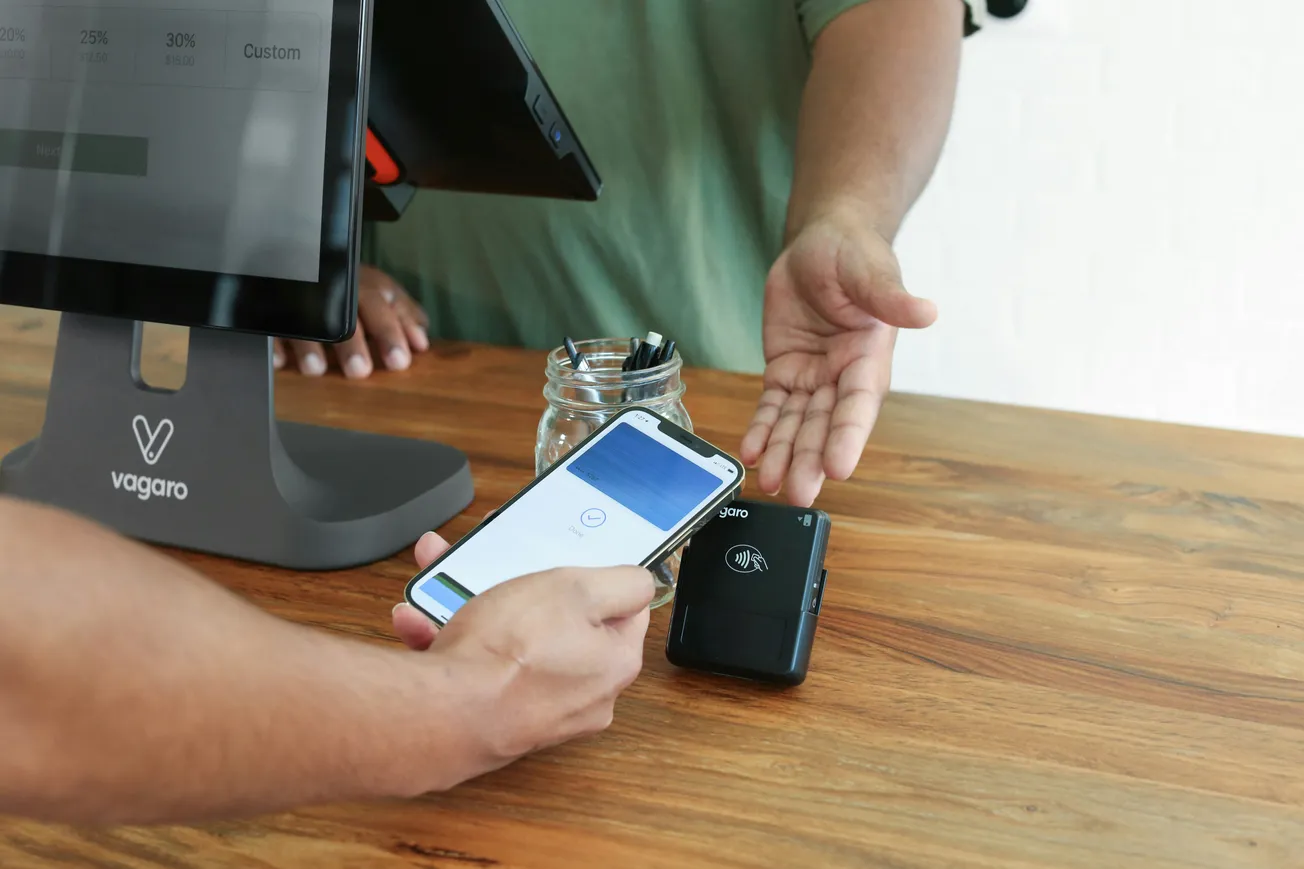
For these shoppers, digital wallets serve as more than a contactless payment method. They function as a centralized hub for spending visibility, often integrating Buy Now, Pay Later (BNPL) options and real-time balance tracking. In an era where every dollar is scrutinized, the ability to bundle budgeting tools into the checkout experience has become a competitive advantage for payment providers and retailers alike.
Walmart and the Bentonville Influence
As the global center of omnichannel retail, Bentonville-based Walmart has emerged as a primary beneficiary of this value-seeking behavior. The PYMNTS data indicates that 56% of online grocery shoppers under high financial stress made their most recent purchase at Walmart, outpacing the 50% of low-stress shoppers who did the same. This trend extends to physical storefronts, where 37% of high-stress grocery shoppers frequented Walmart, compared to 26% of low-stress consumers.
This shift underscores the effectiveness of Walmart’s "Everyday Low Price" (EDLP) strategy in a volatile economy. While Amazon remains a dominant force in general e-commerce, the report found that stressed online shoppers are increasingly looking toward Target and Walmart, where value is often more visible and easier to calculate during the transaction process.
Consolidated Spending and the End of Impulse Buys
Contrary to the assumption that financial stress leads to smaller transactions, the data shows that stressed consumers are actually spending more per trip. High-stress consumers spent an average of $111 on their last retail purchase and $109 on groceries, while low-stress consumers spent $88 and $95, respectively. This suggests a strategic shift toward consolidated shopping—reducing the frequency of trips to save on fuel and delivery fees while focusing on planned, bulk purchases rather than impulsive, small-ticket items.
For merchants and supply chain leaders, this evolution necessitates a change in merchandising strategy. Visibility is now the ultimate currency. Retailers that can provide clear, upfront pricing and flexible payment options through digital channels are better positioned to capture the loyalty of the Gen Z demographic.
The Path Forward for Omnichannel Retail
The findings reinforce a broader trend within the industry: the convergence of fintech and retail. As high financial stress remains concentrated among younger consumers and parents, the demand for payment tools that offer day-to-day control will only grow.
For the Bentonville business community, this presents an opportunity to lead in the development of retail technologies that prioritize transparency and financial wellness alongside convenience. In the current economic climate, clear value is not just a marketing slogan; it is the primary driver of consumer loyalty.
More about leadership:
 Staff Report
 Staff Report
 Staff Report