
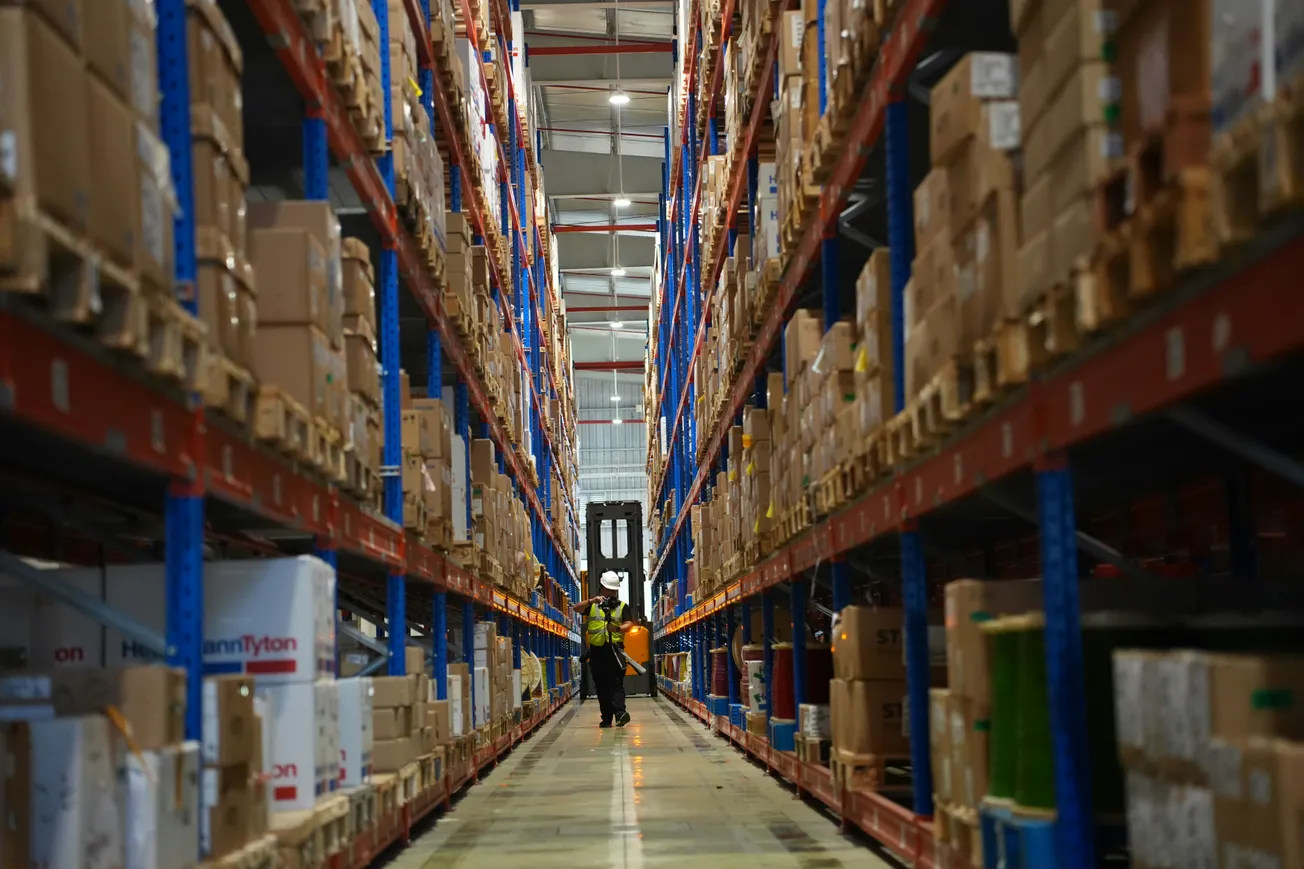
The "Wage to Wallet Index," a collaborative study from PYMNTS Intelligence, WorkWhile, and Ingo Payments, reveals a systemic financial strain affecting approximately 30 million Americans.
These individuals, categorized as "Labor Economy" workers—including warehouse associates, delivery drivers, and retail staff—collectively drive over $1.7 trillion in annual consumer spending. However, the report highlights a recurring struggle: more than half of these workers required access to their earnings before their scheduled payday to cover essential expenses within the last 90 days.
The Recurring Cycle of Financial Shortfalls
For many in the retail and logistics sectors, the gap between billing cycles and paychecks is not a one-time hurdle but a persistent feature of their financial lives. According to the index, one in six Labor Economy workers faced a cash shortfall four or more times in a single quarter. This financial instability often forces workers to utilize sub-optimal methods to bridge the gap, such as borrowing from family, deferring utility payments, or pawning possessions.
The data suggests a stark divide between these workers and their salaried counterparts. While higher earners typically utilize credit cards to manage temporary cash flow issues, Labor Economy workers frequently rely on methods that weaken their next paycheck. Nearly half of the respondents indicated that the temporary fix used to bridge today’s gap made the following pay period even more difficult, creating a self-reinforcing cycle of debt and financial stress.
The Underutilization of On-Demand Pay
In the evolving landscape of omnichannel retail and supply chain management, retail technology has introduced solutions like "on-demand pay" or Earned Wage Access (EWA). These tools are designed to allow employees to access a portion of their earned wages before the official payday. Despite being available to roughly 80% of the workforce, adoption remains surprisingly low.
The report points to a significant disconnect in awareness and product design. For Bentonville-based business leaders and retail executives, this gap represents an opportunity to refine workforce management strategies. If the tools exist to mitigate financial stress but remain unused, the burden falls on employers and fintech innovators to improve the accessibility and integration of these financial wellness products.
Geographic Disparities and Economic Resilience
The Wage to Wallet Index also identified a new layer of inequality driven by geography. Wage trends diverged significantly across major metropolitan areas, suggesting that while national economic headwinds affect everyone, the local "cushion"—or lack thereof—can drastically change a worker's ability to navigate financial pressure.
For the Northwest Arkansas business community, which serves as a global hub for retail and logistics, understanding these regional dynamics is critical for maintaining a resilient supply chain.
Strategic Implications for the Retail Sector
As Bentonville continues to position itself as the global center of omnichannel retail, the stability of the labor force is paramount. The financial health of warehouse and retail associates directly impacts the efficiency of the supply chain. Ensuring that workers have the tools to manage their "wage to wallet" gap is not just a matter of corporate social responsibility; it is a strategic necessity for maintaining operational continuity.
The findings serve as a call to action for the fintech and retail industries to bridge the awareness gap and provide more robust financial support systems for the workers who power the global economy.
More about technology:
 Staff Report
 Nathan Sellars
 Staff Report