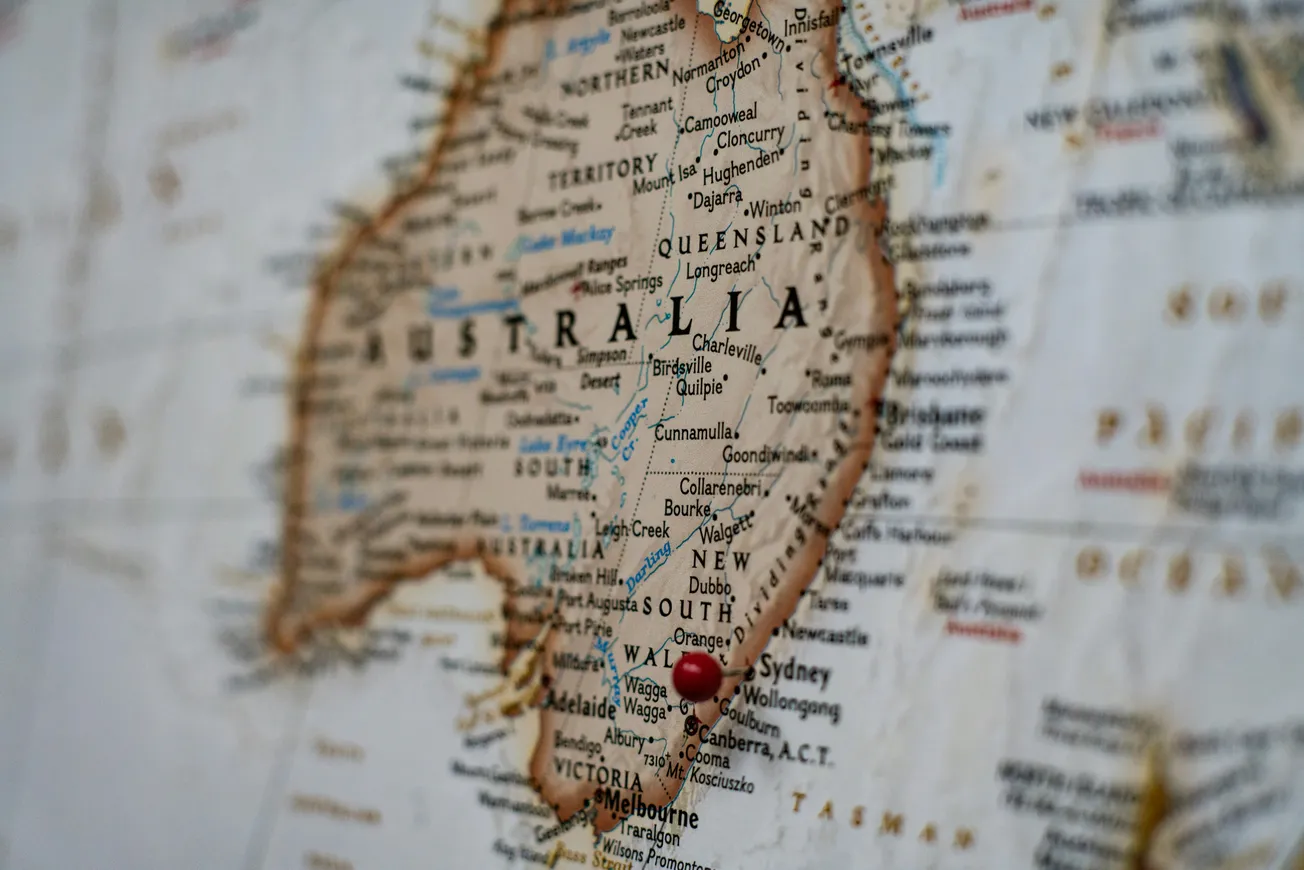
In a move signaling a significant shift in global trade dynamics, Australia and the European Union officially signed a comprehensive free trade agreement (FTA) on Tuesday. The signing concludes eight years of rigorous negotiations and establishes a framework designed to eliminate tariffs on nearly all traded goods while prioritizing the secure flow of critical minerals.
As reported by Yahoo Finance and Reuters, the deal arrives at a period of heightened geopolitical tension and serves as a strategic counterweight to existing market dependencies.
The agreement is projected to inject approximately A$10 billion ($7 billion) annually into the Australian economy. For the European Union, the removal of more than 99% of tariffs on goods exported to Australia is expected to save companies roughly 1 billion euros per year. This economic alignment is paired with a deepened commitment to security and defense cooperation, reflecting a shared vision for stability in the Indo-Pacific region.
Securing the Critical Mineral Pipeline
A cornerstone of the partnership is the stabilization of global supply chains for critical minerals, including lithium, cobalt, and rare earths. These materials are essential for the production of electric vehicle (EV) batteries, semiconductors, and advanced telecommunications hardware—technologies that underpin the modern omnichannel retail and logistics sectors. By scrapping import tariffs on these minerals, the EU seeks to mitigate its reliance on China, which currently dominates the global processing and supply of these resources.
European Commission President Ursula von der Leyen emphasized the strategic necessity of the deal during an address to the Australian parliament, noting that over-dependence on a single supplier for crucial industrial ingredients poses a systemic risk. This diversification strategy is particularly relevant for technology-driven enterprises in hubs like Bentonville, where supply chain resilience is a primary corporate objective.
Tariff Reductions and Economic Forecasts
The immediate impact of the FTA includes the elimination of Australian tariffs on a variety of European products, such as wine, chocolate, and specialized machinery. Conversely, Australia will benefit from zero-tariff access for the vast majority of its exports. EU exports to Australia are forecasted to grow by as much as 33% over the next decade.
Key provisions of the deal include:
- Luxury Car Tax Adjustments: Australia will raise the luxury car tax threshold for EU-made electric vehicles to A$120,000, effectively exempting 75% of European EVs from the levy.
- Geographical Indications: Protection for specific EU product names, such as Ouzo and Pecorino Romano, will be implemented after a phasing-out period for local producers.
- Industrial Access: Enhanced access for German and French industrial firms to Australia’s largely untapped resource potential.
Agricultural Quotas and Industry Friction
Despite the broad successes of the agreement, the agricultural sector remains a point of contention. The EU will maintain strict quotas on sensitive Australian exports, specifically beef and sheep meat. Under the new terms, the EU will open two tariff-rate quotas for beef totaling 30,600 metric tons, with only 55% of that volume qualifying for duty-free entry.
This compromise has drawn criticism from both sides. The National Farmers Federation in Australia expressed disappointment, labeling the market access gains as "subpar." Meanwhile, French agricultural groups, including the National Bovine Federation, argued that the quotas remain too generous and could undermine domestic European producers. These frictions highlight the ongoing challenges of balancing liberalized trade with the protection of domestic food supply chains.
Implications for Global Supply Chains
The Australia-EU trade deal represents more than just a bilateral economic boost; it is a blueprint for how Western economies are restructuring logistics and procurement in an era of "friend-shoring." For global retailers and technology firms, the agreement provides a more predictable environment for sourcing the raw materials necessary for the next generation of consumer electronics and sustainable transport.
As Bentonville-based companies continue to lead in omnichannel innovation, the diversification of mineral sources will be vital for maintaining a competitive edge in AI-driven logistics and automated fulfillment. By securing a reliable pipeline of resources from a stable democratic partner like Australia, the EU has taken a definitive step toward insulating its industrial base from future geopolitical shocks.