

What happens when AI stops asking for permission and starts making the buy? We dig into the turning point for retail as agentic commerce moves from recommendations to execution, and why the real challenge isn’t a shiny new model but the rules, data, and accountability that sit beneath it. As AI agents optimize for outcomes, speed, certainty, and trust, the battlefield shifts. Brand storytelling still matters, but only when it’s structured and machine-readable. Promotions still matter, but only when they’re accurate in real time. Loyalty still matters, but only when algorithms can quantify it consistently. Persuasion gives way to precision, and ambiguity becomes a liability.
We walk through the leadership choices that define this next phase: who sets spending limits, approves substitutions, and owns liability when an agent chooses perfectly on cost but poorly on margin or brand? These aren’t IT decisions; they are governance decisions. Decades of system design aimed to support human judgment. Now we must define when and how systems replace it, with clear guardrails, auditable logic, and incentives that align short-term efficiency with long-term value. If the foundations are messy, fragmented pricing, inconsistent inventory, and siloed ownership, autonomy will amplify the cracks.
Leaders preparing to win are treating APIs as core infrastructure, making product data machine-first, investing in observability to explain agent decisions, and staging tough policy conversations before autonomy scales. The pivotal question is no longer whether AI can be trusted to decide; those decisions are already happening. The question is whether they’ll happen within your systems or around them. Join us as we break down the practical steps to move from hype to readiness and build a trustworthy contract with machines. If this conversation sparks ideas, subscribe, share with a colleague, and leave a review with the first policy you’d put in place.
When AI Stops Asking Permission
Agentic commerce is shifting retail from AI recommendations to autonomous buying. Learn how leaders must prepare with machine ready product data, accurate pricing and inventory, clear governance, and APIs that keep trust, accountability, and margins intact as AI agents make decisions.
Related
Retail Media Has to Earn the Next Dollar
Scott Benedict breaks down why brands are demanding proof of true incremental performance from retail media networks, contrasting platforms integrated with merchandising against those failing to justify their ad spend.
Target’s Comeback Is a Reminder That Merchandising Still Matters
Scott Benedict breaks down how Target's return to core merchandising and faster assortment refresh cycles is driving traffic, showing why sourcing emerging brands often beats big marketing when demand stalls.
Retail Growth Is Hiding a Unit Problem
Scott Benedict breaks down why rising retail revenue is masking a hidden unit volume crisis, revealing how price hikes, private label shifts, and shrinking baskets distort what merchants think is actual demand.

Retail Media Isn’t Advertising Anymore
Scott Benedict explores why retail media is becoming commerce's operating system, revealing how AI powered orchestration and unified merchandising strategy determine whether high intent clicks actually convert into sales.
Latest

Why Local Media Matters More Than Advertisers Realize
Mat Costa breaks down how legacy newspapers evolved into modern targeted ad agencies, unpacking programmatic supply chain fees, branded content strategy, and the legal battles publishers face against AI scraping their data.

Tech Can’t Fix Bad Merchandising: Retail’s Core Comeback
Technology alone cannot fix a stagnant retail strategy. Discover why Target’s recent pivot back to core merchandising fundamentals—curated discovery, assortment velocity, and tight execution—is winning the day over ad spend.

Walmart Data Ventures Advances Scintilla Commerce Intelligence Platform
Walmart Data Ventures evolves Scintilla into an AI-powered commerce intelligence platform, streamlining decision-making and omnichannel execution across inventory, retail media, and store operations for global suppliers.
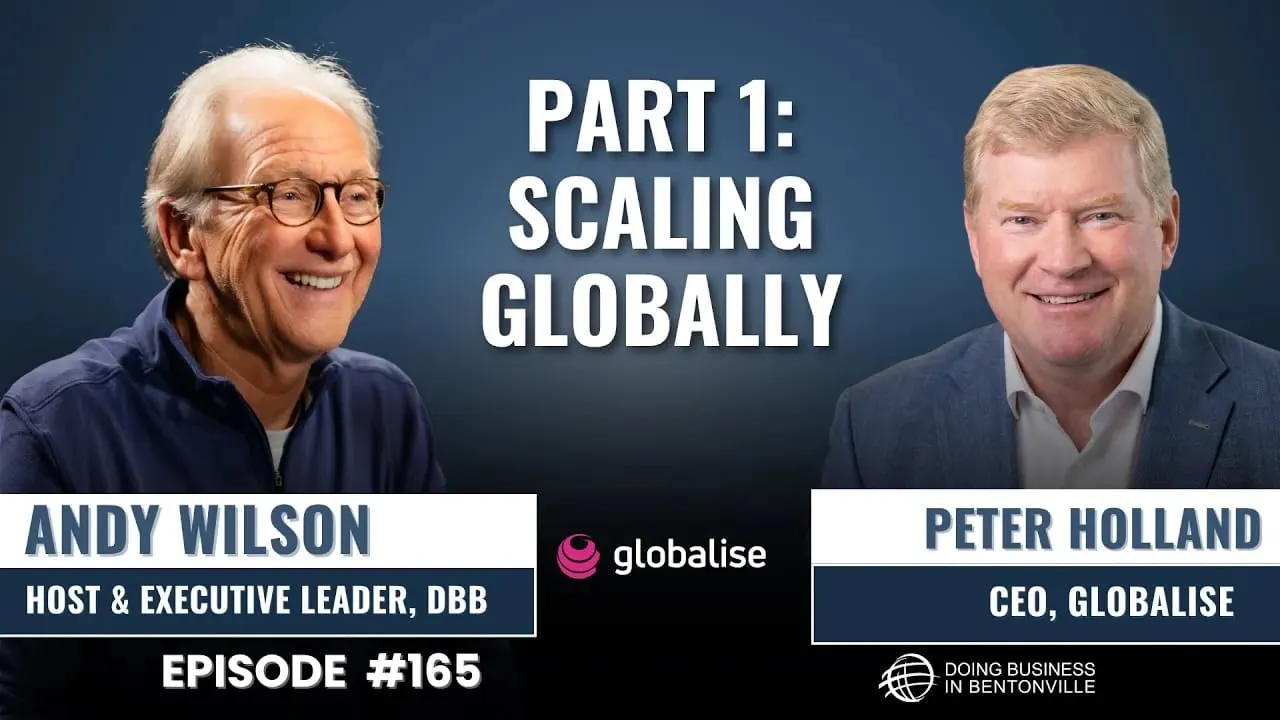
Ep. 165 - Action Over Activity: Operating a Global Business
Peter Holland of Globalise breaks down how businesses can scale international payroll safely, sharing frameworks for navigating foreign tax codes, local trusts, and standardized processes to avoid costly compliance battles.