The End of a Century: Why Unilever is Separating Mayo and Soap
For nearly 100 years, the corporate marriage of food and personal care defined the global strategy of Unilever. However, in a landmark shift for the retail industry, the London-based conglomerate has confirmed it is in discussions with McCormick & Company to sell or spin off its massive food division. This move, first reported by the Wall Street Journal on March 19, 2026, marks the most significant portfolio restructuring since the company was formed in 1929 through the merger of a Dutch margarine manufacturer and a British soap maker.
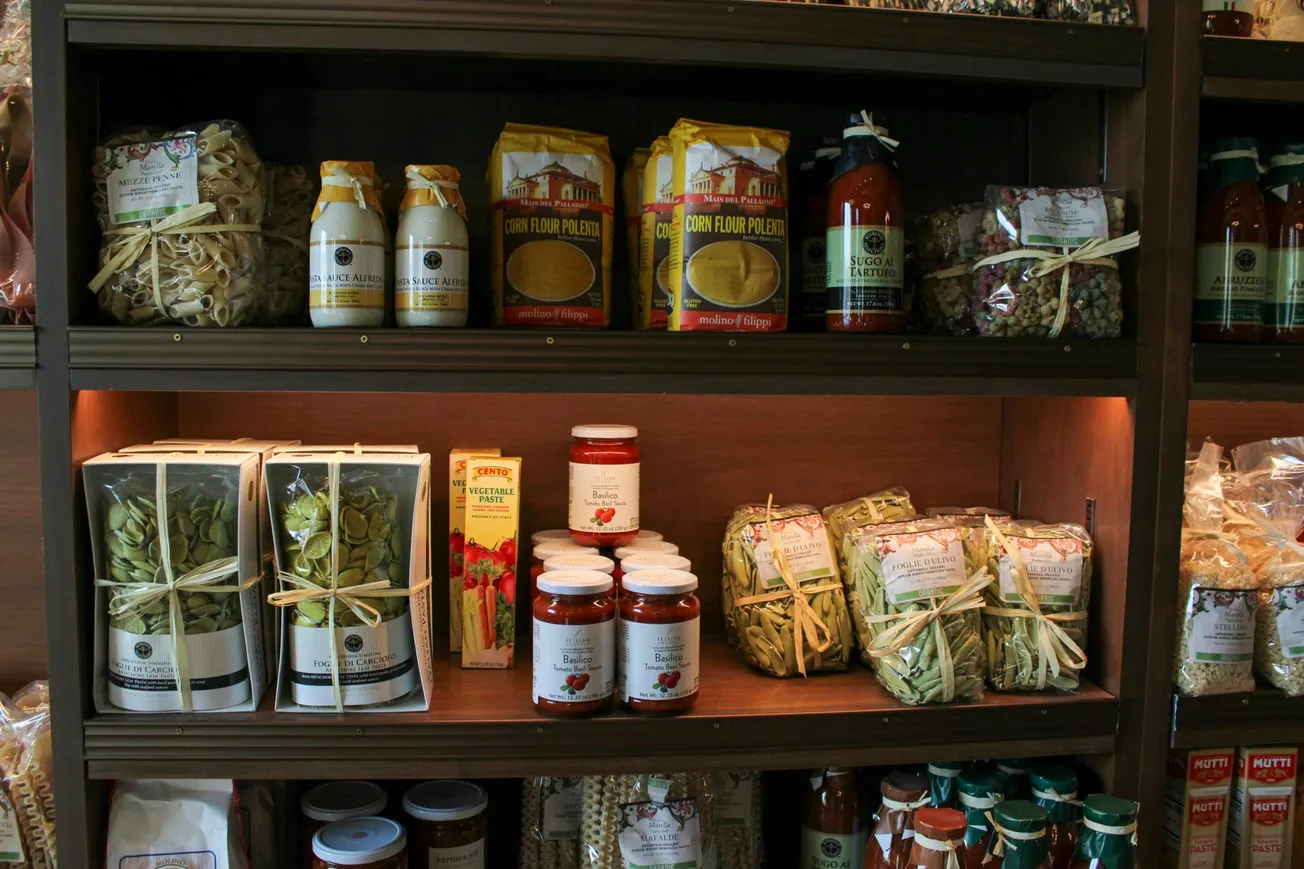
The potential transaction, which analysts estimate could be valued in the tens of billions of dollars, would bring iconic brands like Hellmann’s mayonnaise and Knorr bouillons under the same roof as McCormick’s spices and Cholula hot sauce. For Unilever, the separation represents a strategic "doubling down" on its high-performing Beauty & Wellbeing and Personal Care segments, which have consistently outpaced food in both growth and profit margins.
Strategic Rationale: Complexity vs. Focus
The decision to decouple "mayo and soap" stems from a fundamental change in retail logistics and consumer behavior. Historically, Unilever argued that a shared distribution network for pantry staples and bathroom essentials provided a competitive advantage, particularly in emerging markets where a single delivery truck could stock a mom-and-pop shop with everything from shampoo to margarine.
However, the rise of specialized omnichannel retail and shifting consumer preferences has eroded the benefits of this cross-category scale. According to analysts at Deutsche Bank, the complexity of managing a diverse portfolio now outweighs the synergy of a shared supply chain. While food sales for Unilever grew 2.5% in 2025, the company's Beauty and Personal Care divisions saw increases of 4.3% and 4.7%, respectively. By exiting the slower-growing food sector, Unilever aims to improve its overall valuation and narrow the performance gap with rivals like Procter & Gamble.
Restructuring the Omnichannel Portfolio
This announcement is the latest in a series of aggressive divestments under CEO Fernando Fernandez. In December 2025, Unilever completed the demerger of its ice cream business—now operating as the standalone Magnum Ice Cream Company—which included Ben & Jerry’s and Cornetto.
For retailers and vendors in the Bentonville ecosystem, these moves signal a broader industry trend toward category specialization. As manufacturers face mounting pressures from rising input costs and the impact of weight-loss drugs on calorie consumption, many are choosing to focus on "power brands" that offer higher pricing power and digital commerce potential.
Impact on Global Supply Chains
If the deal with McCormick proceeds—potentially structured as a tax-efficient Reverse Morris Trust—it would transform McCormick into a global leader in condiments and seasonings. The combined entity would possess unparalleled influence over the "flavor" category of the grocery store, creating new opportunities for merchandising innovation and category management.
For Unilever, the future is increasingly digital and personal. The company has recently partnered with Google Cloud to integrate advanced AI into its beauty and wellbeing divisions, aiming to accelerate product development and personalize the shopper journey. This shift underscores a clear vision: in the modern retail landscape, brand agility and technological integration are more valuable than raw, multi-category scale.
As the talks continue, stakeholders across the retail and logistics sectors will be watching closely to see if this separation provides the intended growth boost. For now, the era of the "all-in-one" consumer goods giant appears to be reaching its sell-by date.