

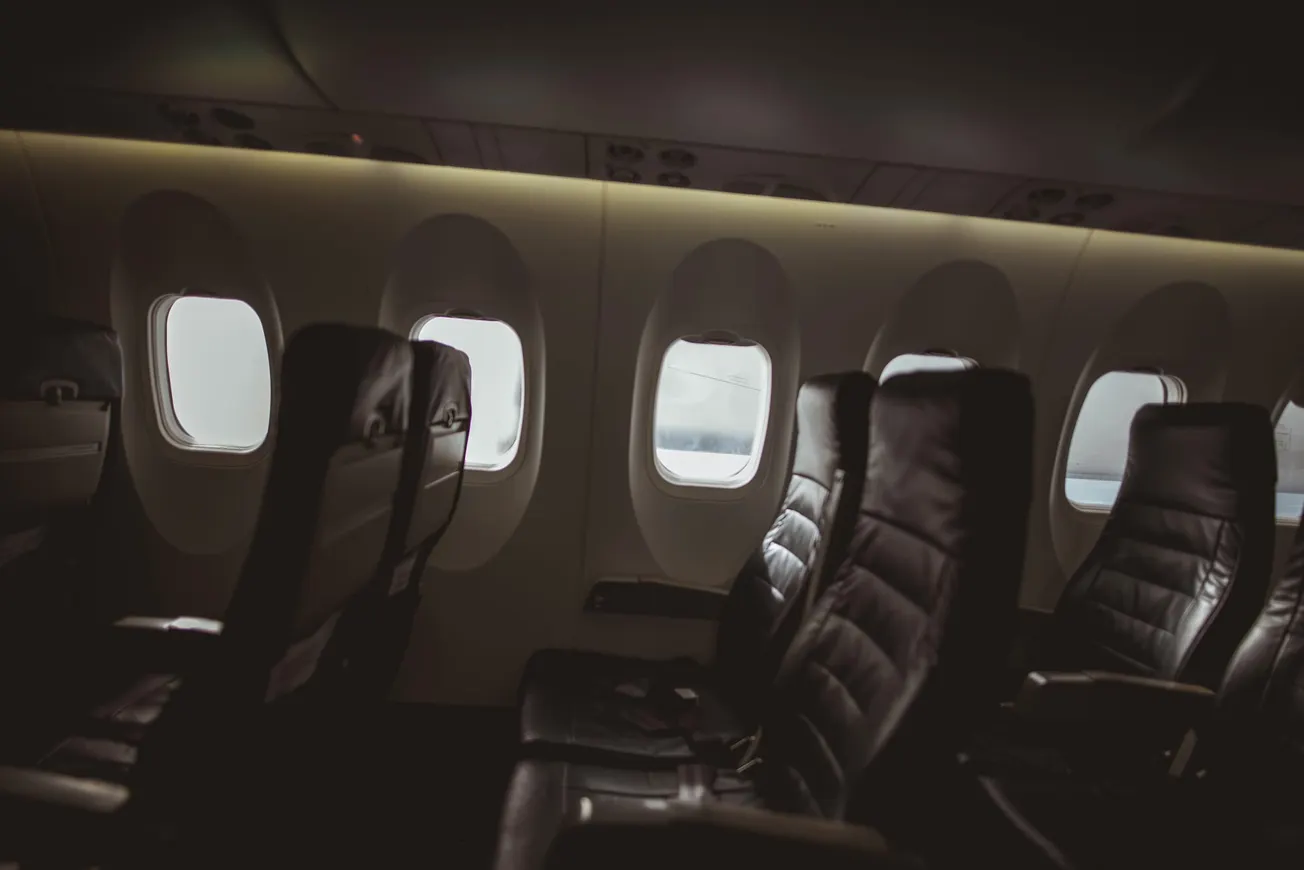
The traditional layout of the commercial aircraft cabin is undergoing a structural transformation as airlines prioritize high-yield premium travelers over mass-market economy seating. According to a recent Wall Street Journal analysis, the standard "main cabin" is losing the internal turf war to premium economy, business class, and first-class suites. Since early 2020, the number of premium seats on U.S. domestic flights has surged by 27%, nearly triple the 10% growth seen in the standard economy section.
The Profitability of the "Sweet Spot"
The driving force behind this shift is the superior margin generated by premium economy. Industry experts categorize this class as a "money-generating machine," noting that these seats often occupy only slightly more floor space than standard economy but can be priced at double or triple the fare. For legacy carriers like Delta and United, this tiered system allows them to subsidize low-cost economy seats to remain competitive with budget airlines while reaping record profits from the front of the plane.
Delta Air Lines recently reached a historic milestone where revenue from premium ticket sales—including Delta One and Premium Select—surpassed revenue from the main cabin. This "de-commoditization" strategy reflects a broader trend in 2026: households with incomes over $100,000 now account for approximately 75% of all airline leisure spending.
Fleet Modernization and Density Shifts
To capture this affluent demographic, airlines are retrofitting existing fleets and ordering new, premium-heavy aircraft. United Airlines is rolling out a "Elevated Interior" for its Boeing 787-9 Dreamliners, which will see the standard economy section shrink from 58% to just 40% of the total cabin. Similarly, American Airlines is on track to increase its premium seating capacity by 50% by the end of the decade.
While the front of the plane expands, the back of the plane is experiencing increased density. To maintain seat counts while expanding premium zones, some carriers have shifted from nine-abreast to ten-abreast seating on long-haul aircraft like the Boeing 777. This has led to a reduction in seat width from 47 centimeters to 44 centimeters on certain international routes, sparking consumer debate over the limits of passenger comfort.
Implications for Corporate Travel and Supply Chains
For the business community in Bentonville and beyond, the "premiumization" of the skies impacts corporate travel budgets and logistics. As airlines move away from "commodity" flying, corporate travel managers are facing a 5% projected increase in North American airfares for 2026. This is forcing many organizations to rethink travel policies, with some shifting from business class to the increasingly sophisticated premium economy "sweet spot" to balance comfort with fiscal responsibility.
Moreover, the shift toward premium-heavy narrowbody aircraft, such as the Airbus A321XLR, is opening new direct international routes from smaller hubs. This allows executives and specialized technicians to bypass traditional megahubs, potentially streamlining the human "supply chain" for global retail and technology sectors.
A New Era of Tiered Loyalty
The transformation extends into the digital and financial realms. Airline loyalty programs, now valued as multi-billion dollar financial engines, are being redesigned to reward this premium behavior. Co-branded credit card partnerships, such as Delta’s $8.2 billion agreement with American Express, provide the high-margin cash cushion needed to fund these expensive cabin retrofits.
As we move through 2026, the "back of the plane" will likely continue to serve as a high-density utility, while the "front of the plane" evolves into a sophisticated, high-margin retail environment. For the omnichannel retail world, this serves as a potent reminder: in a competitive market, success often lies in the ability to segment the customer base and deliver a differentiated, value-added experience to those willing to pay for it.