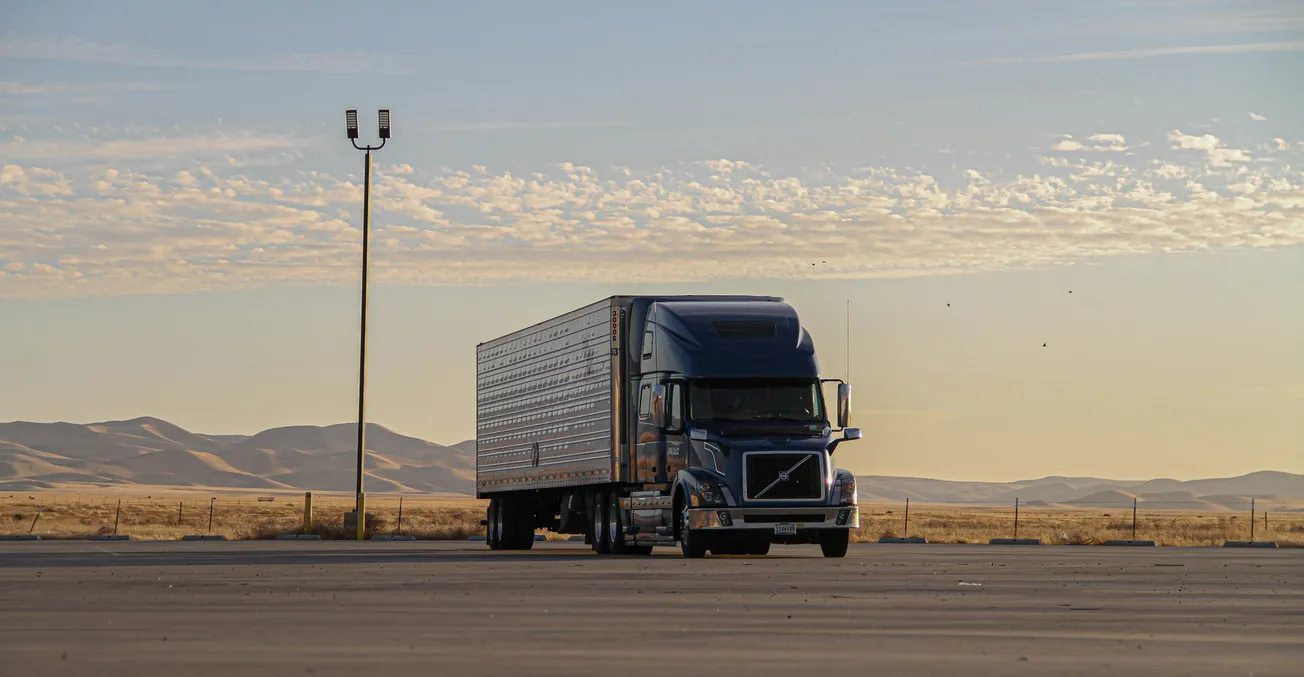
This episode dives into a critical, often overlooked issue in the trucking industry: the struggle for drivers to find reliable parking. Host Eric Johnson speaks with Evan Shelley, CEO of Truck Parking Club, about how solving this problem can unlock significant hidden capacity and improve efficiency for everyone in the freight ecosystem.
The Parking Problem: A Real Estate Guy's Perspective
Shelley didn't start in trucking. His background is in real estate, where he specialized in re-entitling properties for development. This unique perspective led him to the truck parking issue.
While trying to develop a property zoned for industrial use, he encountered unexpected resistance from the municipality. "No one likes truck parking around them," he was told, despite the clear demand. This experience, coupled with industry feedback about a massive parking shortage, sparked the idea for Truck Parking Club.
He realized that simply building more traditional truck stops was incredibly difficult and slow. Zoning laws, NIMBYism (Not In My Backyard), and the high cost of development make creating new, large-scale parking facilities a major hurdle. Even established truck stop companies face these challenges, often building fewer spaces to avoid maintenance costs or charging for parking, which isn't always the preferred model.
Truck Parking Club: A Two-Sided Marketplace
Truck Parking Club operates as a two-sided marketplace. For truckers, it's a mobile app and website where they can find and reserve parking spots. For property owners and businesses with underutilized space, it's an opportunity to monetize that space by offering it for truck parking.
This includes trucking companies with extra yard space, tow companies, warehouses, self-storage facilities, and even existing truck parking operators.
The platform aims to create a vast network of available parking, accessible in real-time. This approach bypasses many of the traditional hurdles of building new infrastructure. By utilizing existing, suitable spaces, Truck Parking Club can onboard partners and make parking available quickly, often on the same day.
The Cost of No Parking: More Than Just Inconvenience
Shelley recently commissioned a research paper that revealed some staggering figures. The study estimates a shortage of 1.7 million parking spaces on any given day. The annual cost of this inefficiency to the industry is estimated to be over $100 billion. This isn't just about drivers being late or frustrated; it's a significant economic drain on the entire supply chain.
When drivers can't find parking, they waste time and fuel driving around, deviate from planned routes, and may even have to stop hours before their legal driving limit is reached, simply to avoid the risk of parking illegally on an on-ramp or off-ramp. This impacts carrier productivity, increases costs for shippers and brokers, and ultimately contributes to higher prices for consumers.
The research highlights that while there's much focus on bid rates and spot rates, these operational inefficiencies around parking are often overlooked but have a substantial financial impact.
Why Better Parking Matters to Everyone
For shippers and brokers, ensuring drivers have access to reliable parking translates directly into a more efficient and dependable supply chain. It means:
- Increased Productivity: Drivers can stay on schedule and complete more deliveries.
- Reduced Costs: Less wasted fuel, fewer tickets for illegal parking, and potentially lower insurance premiums due to reduced risk.
- Improved Reliability: Shipments are less likely to be delayed due to parking issues.
- Enhanced Security: Access to secure parking options can help prevent cargo theft and damage.
Essentially, solving the parking problem makes the entire logistics network run smoother and more cost-effectively. It allows carriers to optimize routes, utilize driver hours more effectively, and even use parking locations for strategic trailer storage, creating what are effectively mini-terminals on demand.
The Future of Truck Parking
Truck Parking Club is rapidly expanding, with over 200 locations and 45,000 spaces available across 48 states. The average location offers around 20 spaces, though this can vary significantly. While overnight parking is a major use case, the platform also facilitates longer-term storage and strategic placement of trailers, offering flexibility that traditional truck stops often can't match.
By focusing on leveraging existing spaces and building strong relationships within the industry, Truck Parking Club is tackling a problem that has long plagued truckers and impacted the broader economy. Their approach, born from a real estate background but deeply informed by industry needs, is helping to unlock capacity and drive efficiency in ways previously thought impossible.
More about trucking:
 Staff Report
 Dan Craft
 Andy Wilson