
Shrink Is a Systems Problem, Not Just a Security One
Shrink isn’t just theft—it’s a supply chain and data integrity issue retailers must fix from the source.


Shrink isn’t just theft—it’s a supply chain and data integrity issue retailers must fix from the source.

Retailers in 2025 are navigating a more stable—but still complex—holiday supply chain season driven by shifting consumer behaviors, tighter delivery windows, and demand for sustainability.

Shrink starts long before the shelf. Former Walmart leader Brand Elverston explains total retail loss, from purchase orders to omnichannel risk, and how RFID, analytics, and smarter processes cut losses while improving customer experience.

Coty names Procter & Gamble veteran Markus Strobel as interim CEO and board chair as part of a leadership overhaul amid strategic reviews and market pressures.
Target is enhancing value perception through competitive pricing and merchandising innovation to strengthen differentiation and regain retail momentum in 2025–26.

Retail strategist Doug Stephens discusses trust, AI skepticism, and the societal role of retail as the industry looks toward 2026 in The Backroom podcast.

The U.S. outlines key priorities ahead of the 2026 USMCA review, focusing on supply chain resilience, trade enforcement, and regional competitiveness across North America.

Get ready for 2026: Learn how to prepare for future tariff changes through supply chain diversification, compliance tools, and sourcing strategies.

Lovesac is reshoring manufacturing to the U.S. to combat tariff impacts and supply chain risks, marking a strategic shift in production strategy in 2025.

FedEx warns the MD‑11 cargo aircraft grounding will elevate logistics costs and strain capacity during the 2025 holiday peak shipping season, forcing contingency strategies and network adjustments.

Uber Eats and DoorDash have sued New York City to block a new law requiring tipping prompts at checkout, arguing it violates free‑speech rights and could increase costs for consumers.

The U.S. government has already collected roughly $1 billion in new tariff revenue after closing the de minimis loophole, with duties of 10 %–50 % on previously exempt imports.

Adobe data shows e‑commerce returns down 2.5% this holiday season, as consumers shop more strategically and thoughtfully amid economic pressures.

Macy’s Chicago flagship on State Street is showing noticeable turnaround progress with enhanced merchandising, customer service, and visual presentation.

Home Depot’s expanded distribution footprint and logistics technology have propelled its delivery speeds to historically fast same‑day and next‑day levels.
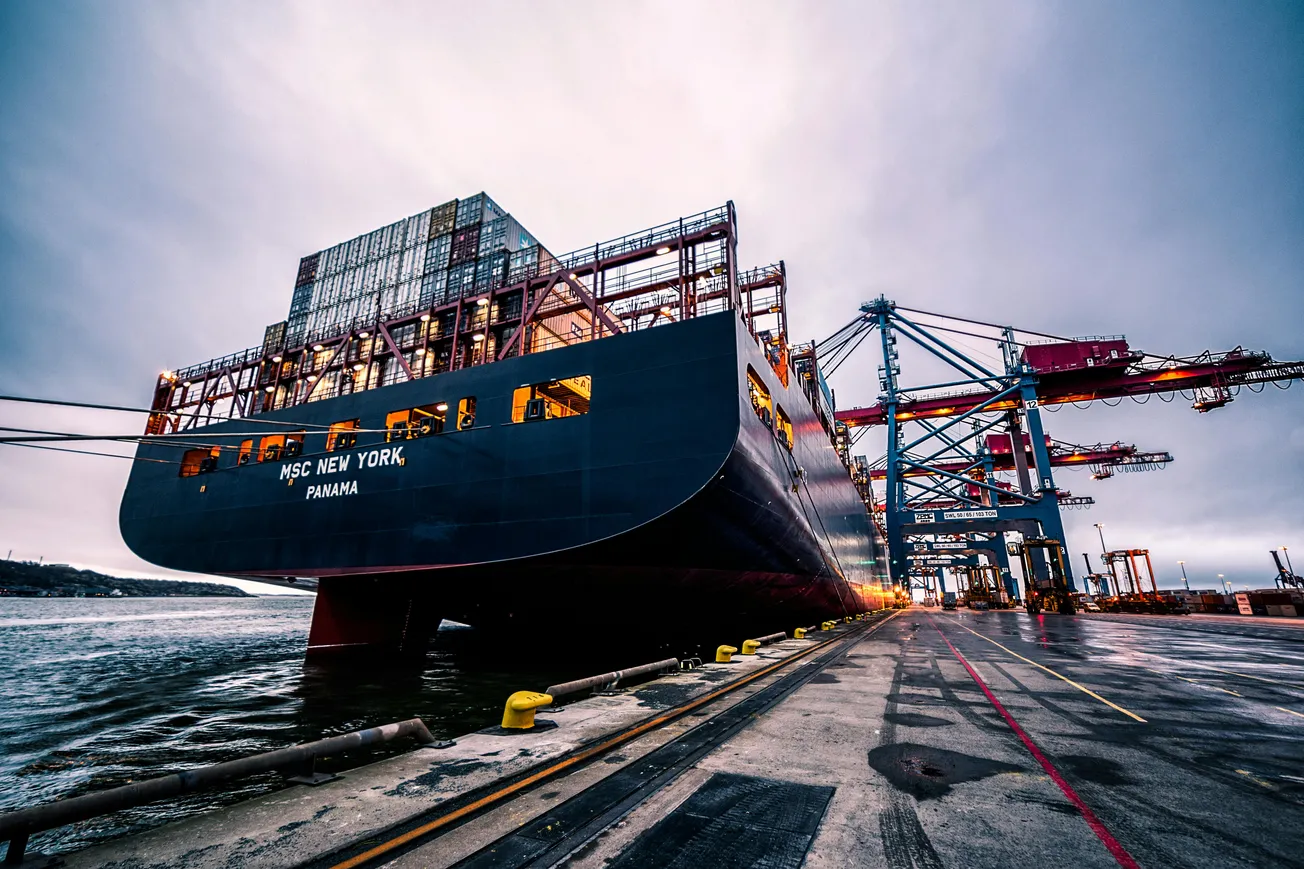
Victoria’s Secret is navigating a $90M tariff impact by pivoting from air to ocean freight and adjusting sourcing strategies, reshaping its supply chain approach.