Global Energy Surge Disrupts Retail Logistics and Consumer Sentiment
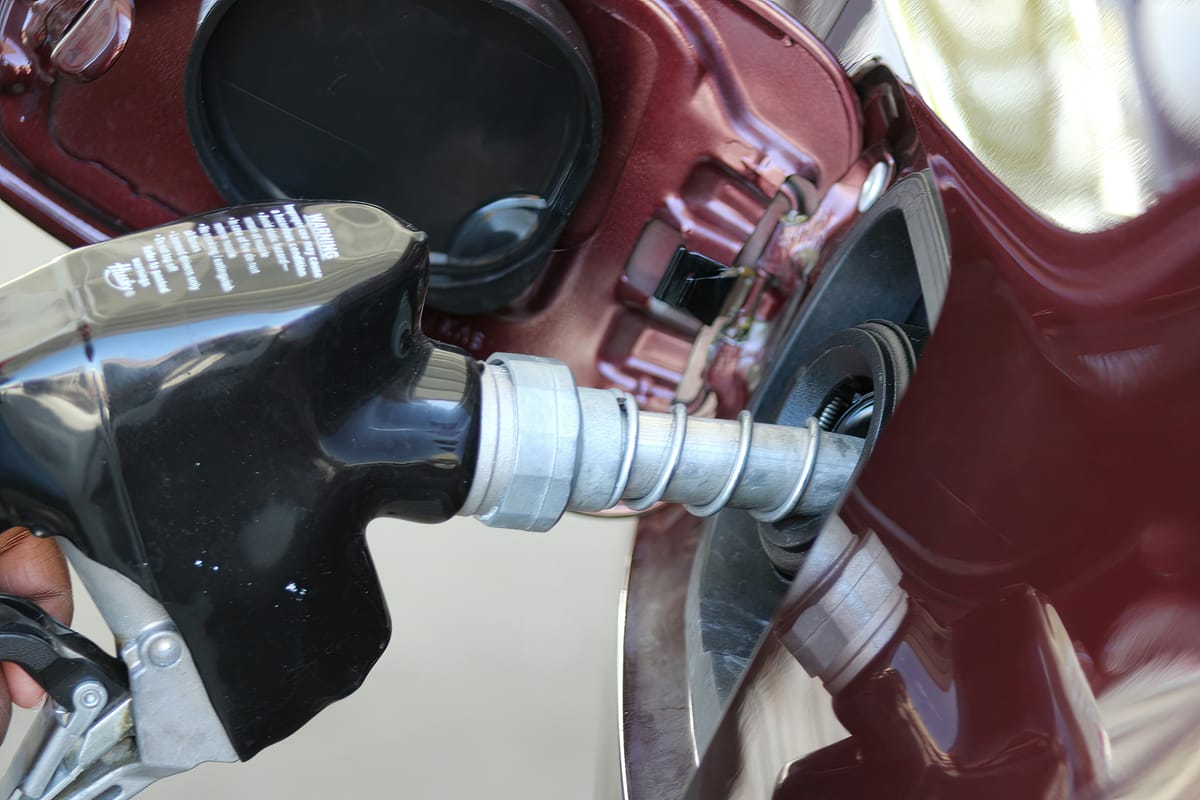
Gasoline prices in the United States reached their highest levels since March 2022 this week, as international oil benchmarks surged past the $100 threshold. The national average at the pump climbed to $3.88 per gallon, representing a $0.25 increase over the previous week and nearly a dollar more than one month ago, according to data from AAA. Analysts suggest that a rise to $4.00 per gallon is a near-term certainty for most of the domestic market.
The escalation of conflict in the Middle East has served as the primary catalyst for the price spike. Following strikes on natural gas processing facilities in Iran and subsequent retaliatory actions targeting regional energy infrastructure, West Texas Intermediate (WTI) crude rose above $97 per barrel. Brent crude, the international benchmark, surpassed $107 per barrel. Market volatility remains high as traders monitor the Strait of Hormuz, a critical maritime chokepoint for global oil transit that has seen traffic slow significantly.
Supply Chain Implications for Omnichannel Retail
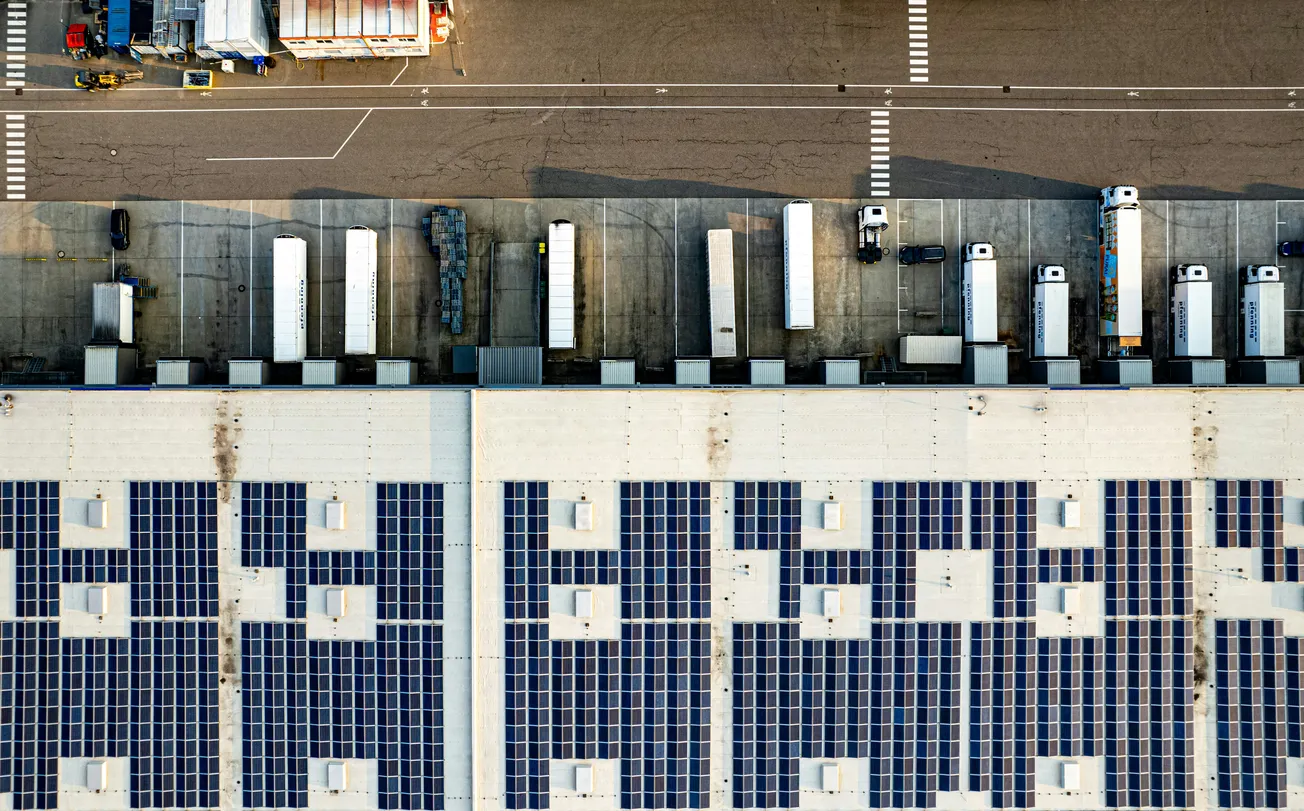
For the retail ecosystem centered in Bentonville, the most concerning metric is the rise in diesel prices. Diesel has soared approximately 38% over the last month, exceeding $5 per gallon to reach a four-year peak. Because roughly 70% of domestic goods are transported via trucking, the increased cost of diesel directly impacts the bottom line of logistics providers and major retailers managing complex omnichannel fulfillment networks.
High energy costs create a double-edged sword for the retail sector:
- Increased COGS: The cost of goods sold rises as manufacturers and distributors pass through fuel surcharges.
- Last-Mile Delivery Pressure: Omnichannel strategies relying on rapid home delivery face shrinking margins as transportation expenses escalate.
- Store Replenishment: Maintaining inventory levels in physical stores becomes more expensive, potentially leading to localized price increases for consumers.
The Federal Reserve and Inflationary Risks
Federal Reserve Chair Jerome Powell addressed the energy situation on Wednesday, noting that higher energy prices risk seeping into broader inflation readings. According to reporting from Yahoo Finance, Powell indicated that the derivatives of oil are so deeply integrated into the production and transportation of consumer goods that sustained high prices could complicate the central bank's efforts to stabilize the economy.
In response to the supply chain strain, the federal government has issued a temporary waiver of the Jones Act. This move allows non-U.S. flagged vessels to deliver goods between domestic ports, a strategy intended to provide more options for fuel distribution. While experts at GasBuddy suggest this will have a minimal impact on the immediate price at the pump, it is viewed as a necessary step to alleviate bottlenecks in the energy supply chain.
Long-Term Outlook for Investors and Retailers
The duration of the current geopolitical conflict will likely dictate the ceiling for energy prices. Analysts at RBC Capital Markets have warned that if the conflict persists for several months, oil could exceed the 2008 peak of $146 per barrel. For investors, this volatility necessitates a focus on companies with high logistics efficiency and robust supply chain technology that can optimize routes and reduce fuel consumption.
In the Bentonville business corridor, where supply chain mastery is a competitive advantage, these price fluctuations serve as a catalyst for further investment in alternative energy vehicles and AI-driven logistics optimization. As retail leaders navigate this high-cost environment, the focus remains on maintaining price leadership while absorbing or mitigating the impact of the global energy shock.
More about fuel:
 Staff Report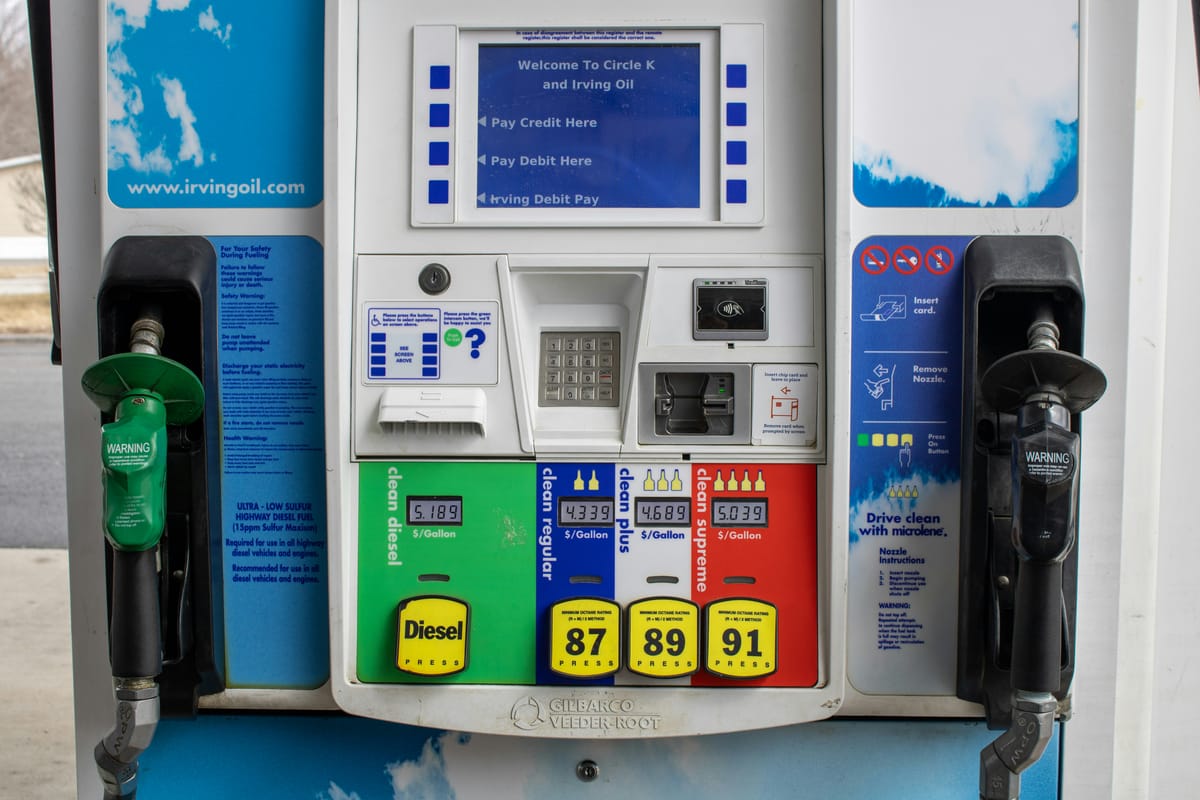
 Staff Report
 Staff Report