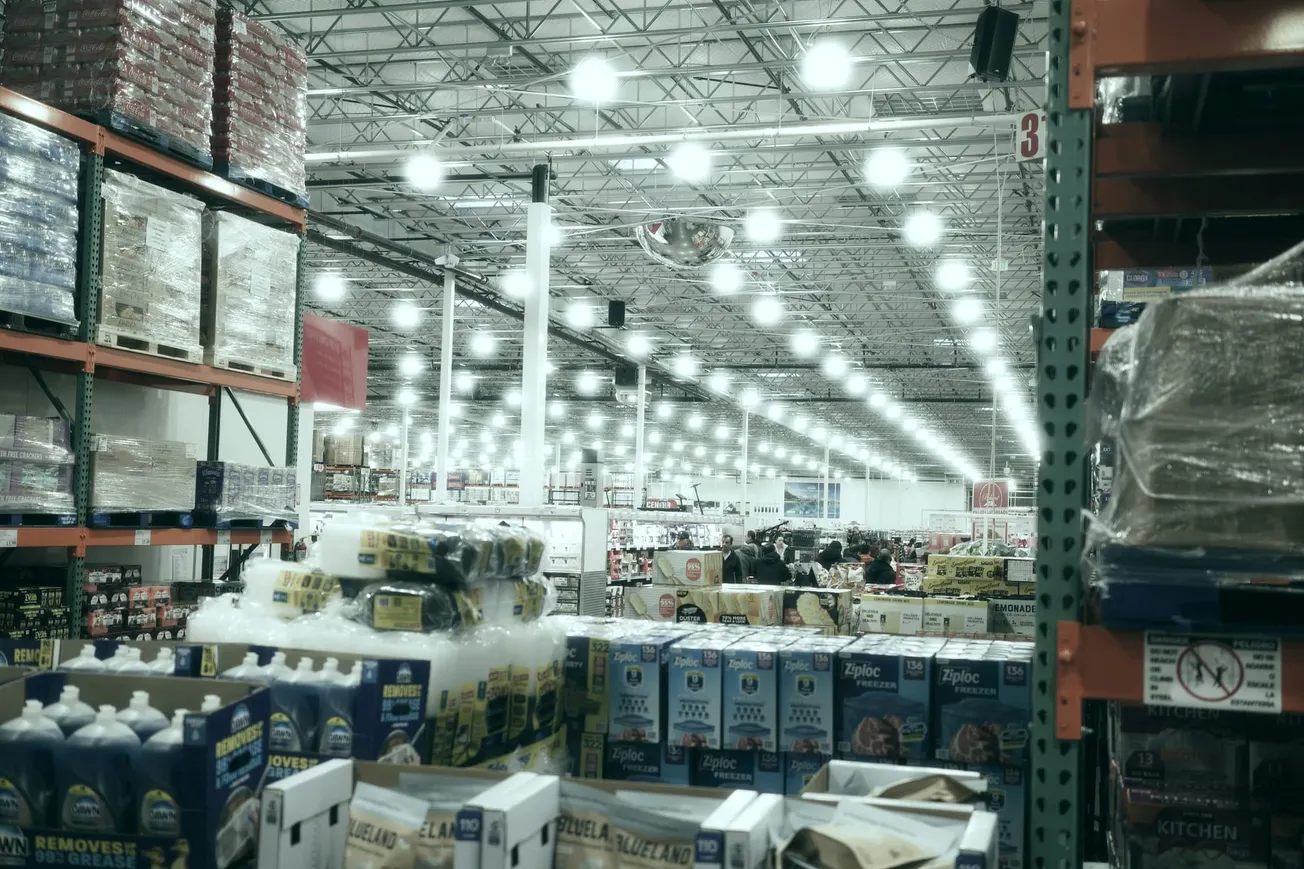


As the retail landscape evolves, the latest data from the March 2026 PYMNTS Consumer Expectations Index suggests a complex narrative for household finances. While consumers appear to be navigating debt obligations with relative ease, a significant lack of savings and emergency readiness is creating a "two-track" economy. For Bentonville-based retail giants and logistics providers, this divergence requires a more nuanced approach to merchandising and supply chain management.
Debt Management vs. Savings Capacity
According to the PYMNTS report, debt remains the most stable component of the modern household balance sheet. Consumers express a high degree of confidence in their ability to manage monthly payments, suggesting that credit utilization is being handled with caution. However, this stability masks a deeper vulnerability: the inability to build a financial buffer.
The index reveals that while debt manageability is high, the "savings test" is where many households are failing. The capacity to withstand short-term economic shocks or unexpected expenses is widely varied across demographics, leading to a fragmented consumer base. This lack of a financial safety net directly impacts discretionary spending, as households prioritize essentials over non-essential goods.
The Impact on Omnichannel Retail Strategy
For the Bentonville business community, these findings underscore the importance of value-driven retail. With Walmart and other major players focusing on price leadership, the data validates a strategy centered on affordability. When savings are low, the consumer's "capacity to act" on their economic outlook diminishes, even if their general confidence remains stable.
Omnichannel retailers must leverage data analytics to identify these diverging segments. Consumers living paycheck to paycheck—who posted index readings in the low 40s—require different engagement strategies than those with higher financial liquidity, who posted readings in the low 60s. This gap suggests that aggregate economic indicators may be obscuring the reality of the retail environment.
Demographic and Generational Divergence
The March 2026 data also highlights generational shifts in sentiment. Millennials are currently leading consumer sentiment with an index reading of 60.7, significantly higher than older cohorts who remain closer to 53.5. Additionally, a gender gap has emerged in the perceived buying environment, with women reporting lower confidence than men regarding current purchasing conditions.
These demographic nuances are critical for merchandising teams. As Millennials maintain a more optimistic outlook, they may continue to drive growth in specific categories, such as technology and lifestyle products, even as the broader market remains cautious. Meanwhile, the lower confidence among other groups suggests a need for targeted promotions and transparent pricing to encourage conversion.
Supply Chain and Inventory Considerations
From a supply chain perspective, a two-track consumer economy necessitates greater inventory flexibility. Logistics providers must be prepared for rapid shifts in demand as households react to fluctuating cash flows. The focus is shifting toward "just-in-case" inventory for essential goods, while discretionary categories may see more conservative stock levels to mitigate the risk of markdowns.
In conclusion, the 2026 economic landscape is defined by a consumer that is stable but not secure. For the Bentonville ecosystem, success will depend on the ability to bridge the gap between debt-reliant stability and the need for long-term financial resilience through strategic value propositions and omnichannel excellence.