
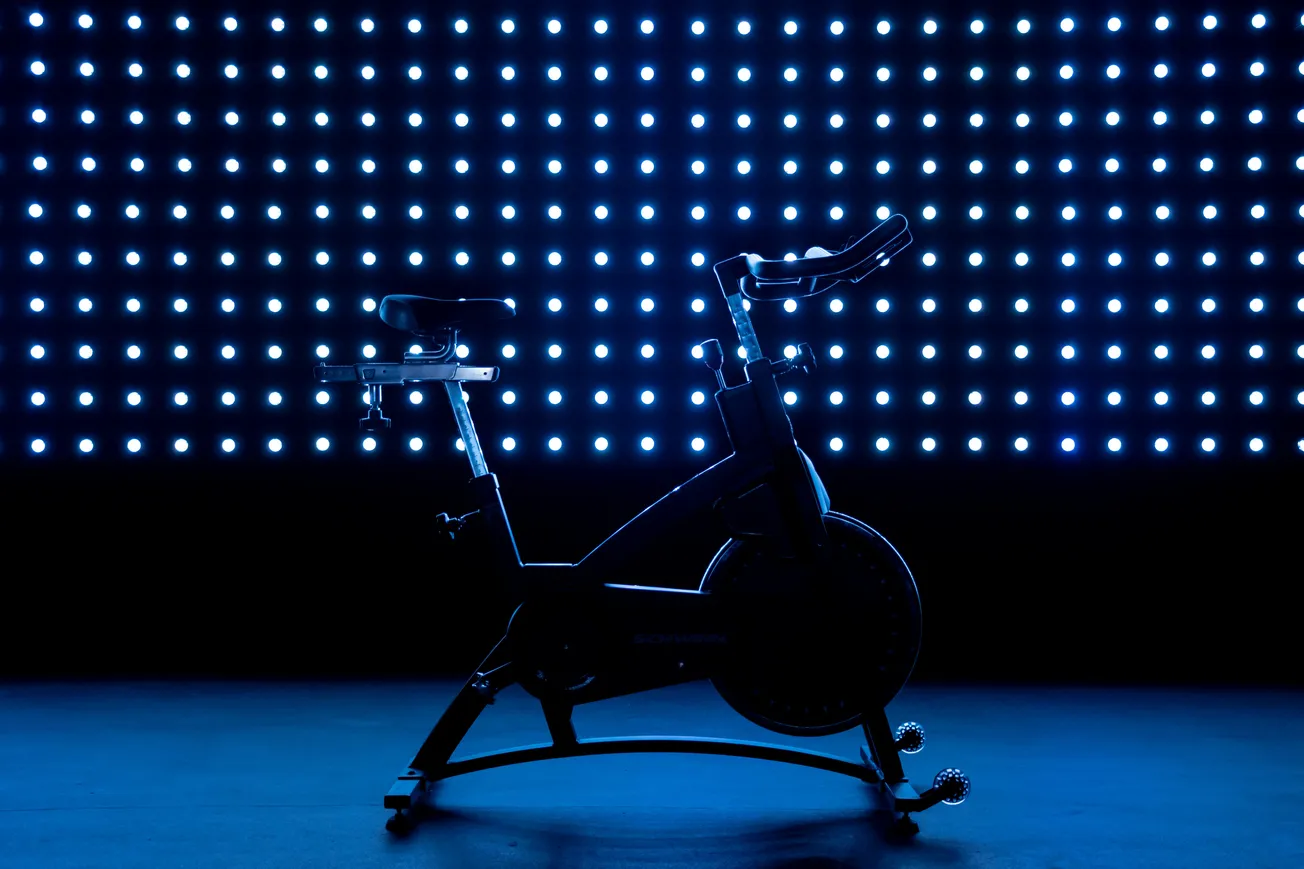
Peloton Shifts Strategy Toward Commercial Fitness and B2B Growth
Peloton Interactive has officially announced the launch of a new line of exercise bikes and treadmills specifically engineered for commercial environments, marking a significant pivot in the company's long-term corporate strategy. This move, reported by CNBC, represents an effort to diversify revenue streams beyond the traditional direct-to-consumer home fitness model and into the broader B2B fitness ecosystem, including gyms, hotels, and multi-family residential complexes.
Expanding the Omnichannel Fitness Footprint
For years, Peloton defined the "connected fitness" category by focusing on the individual consumer in their living room. However, as shopper behaviors and fitness habits continue to evolve post-pandemic, the brand is increasingly looking toward an omnichannel approach. By placing hardware in high-traffic commercial locations, Peloton aims to create multiple touchpoints on the customer journey. This strategy ensures that whether a consumer is at home, traveling, or at their local health club, the brand experience remains seamless and interconnected.
The new commercial-grade equipment is designed to withstand the high-utilization demands of a public gym. According to Peloton, the hardware features enhanced durability and software integrations that allow users to log into their personal profiles in a communal setting. This "guest mode" functionality is a critical component of the company’s technology roadmap, ensuring that data-driven personalization—a hallmark of the Peloton experience—is maintained across different environments.
Strategic Pivot Amid Market Shifts
The transition into the commercial sector comes at a time when the fitness industry is grappling with fluctuating demand for at-home hardware. By targeting gym operators and corporate wellness programs, Peloton is positioning itself to capture a share of the institutional market. This move is not merely about selling hardware; it is a strategic play to drive subscription growth. Commercial partnerships often lead to bulk subscription agreements, providing a more stable and predictable recurring revenue model compared to individual consumer churn.
Furthermore, this expansion serves as a powerful marketing tool. High-visibility placements in luxury hotels and premium fitness centers act as a "showroom" for the brand, potentially lowering customer acquisition costs for their residential products. Industry analysts suggest that this B2B push is a necessary step for the company to achieve sustainable profitability and demonstrate value to investors.
Supply Chain and Logistics Implications
Executing a commercial rollout requires a robust supply chain and logistics infrastructure capable of handling large-scale installations and ongoing maintenance. Peloton’s ability to service commercial accounts will depend on its partnership network and its capacity to manage a different tier of technical support compared to its residential business. The logistics of delivering and maintaining fleet-sized orders of heavy machinery represent a different operational challenge than individual "last-mile" home deliveries.
As Bentonville continues to lead as a global hub for retail and supply chain innovation, the evolution of companies like Peloton offers a case study in how brands must adapt their logistics and distribution models to support a true omnichannel presence. The convergence of hardware, software, and physical location is becoming the new standard for consumer engagement.
Impact on the Broader Retail Ecosystem
The move reflects a broader trend in the retail and wellness industries where the lines between "home" and "away" are increasingly blurred. Brands are no longer content with being one-dimensional; they must be present wherever the consumer chooses to engage. For Peloton, the commercial market provides an opportunity to re-establish its premium positioning while leveraging its technology stack to solve problems for gym owners, such as equipment tracking and user engagement analytics.
As the company rolls out these new products, the industry will be watching closely to see how effectively Peloton can compete with established commercial fitness giants. The success of this venture will likely depend on the company's ability to maintain its community-centric brand identity while scaling to meet the rigorous demands of the global fitness industry.
More about fitness:
 Staff Report
 Staff Report
 Staff Report