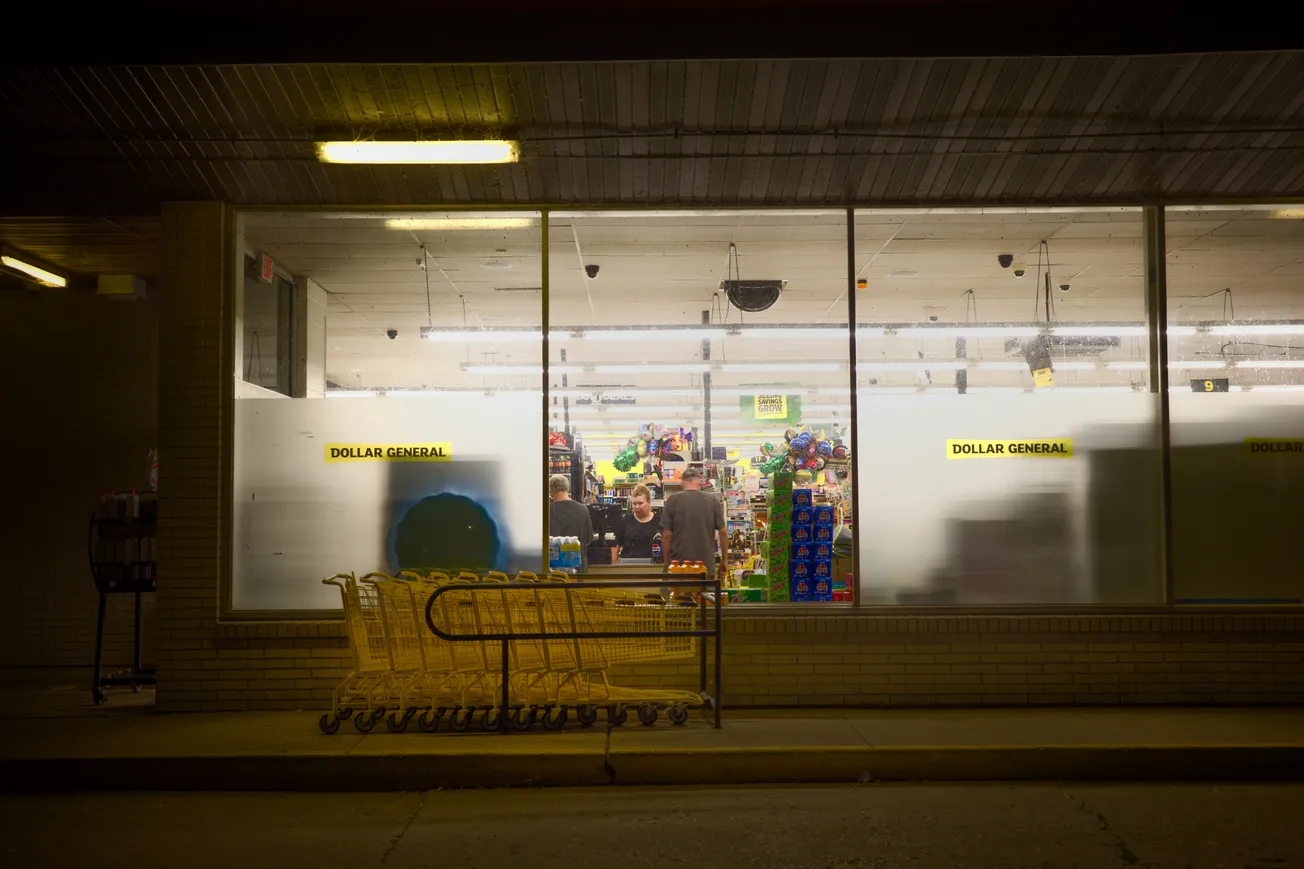
The American consumer entering the second quarter of 2026 presents a complex puzzle for retail strategists and supply chain leaders. Recent data highlights a significant disconnect between how shoppers feel about their bank accounts and how they intend to use them. While a growing segment of the population reports feeling "better off" financially compared to the volatility of 2025, a stark one-third of consumers indicate they are actively cutting back on discretionary spending. This "functional but fragile" consumer state is forcing a recalibration of omnichannel strategies across the Bentonville ecosystem and beyond.
According to reports from Chain Store Age and recent EY-Parthenon Consumer Sentiment findings, the retail landscape has become deeply bifurcated. High-income households continue to drive the majority of growth, yet even these affluent shoppers are exhibiting hypervigilance, increasingly leaning on private labels and price comparisons to protect their newfound financial stability.
The Rise of the "Omniconsumer" and Value-Based Loyalty
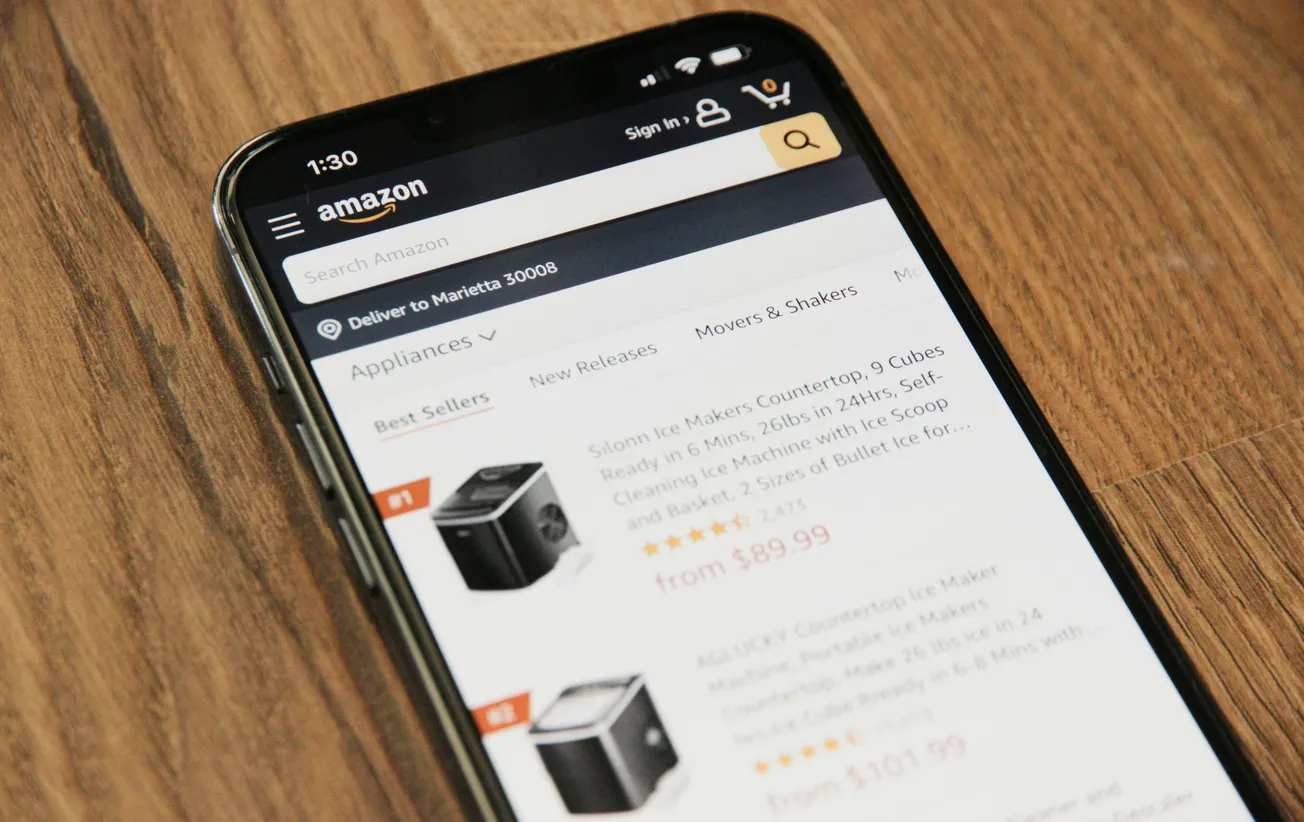
In this environment, the traditional definition of loyalty is being rewritten. Retailers are finding that "omnichannel" is no longer a luxury but a baseline expectation. The 2026 shopper—or the "omniconsumer"—seamlessly blends physical and digital touchpoints, often researching products on mobile while standing in a brick-and-mortar aisle. For brands represented in the Northwest Arkansas vendor community, the challenge is ensuring that value is communicated clearly across every one of these touchpoints.
The "flight to value" is not just a trend for discount retailers; it has become a cross-categorical movement. NIQ's Consumer Outlook for 2026 suggests that while consumers are "numb to volatility," they are also increasingly intentional. Every purchase must "earn its place" in the basket. This has led to a surge in private label prominence, with brands like 7-Eleven’s "7-Select" and Walmart’s private brands seeing double-digit growth as shoppers trade down to maintain their quality of life without the premium price tag.
Strategic Implications for Bentonville Stakeholders
For the thousands of vendors and service providers based in Bentonville, these shifts require a move away from generic mass marketing toward hyper-personalization. Industry leaders are increasingly utilizing AI to manage the "invisible back office," optimizing everything from dynamic pricing to local assortment. The goal is to shorten the path from insight to shelf, ensuring that inventory is aligned with real-time shifts in consumer behavior.
- Inventory Agility: With one-third of consumers spending less, carrying excess inventory in discretionary categories like apparel or high-end electronics poses a significant risk.
- Retail Media Integration: Retailers are leveraging first-party data to turn their digital and physical spaces into high-margin advertising platforms, helping brands reach the "fragile" consumer with surgical precision.
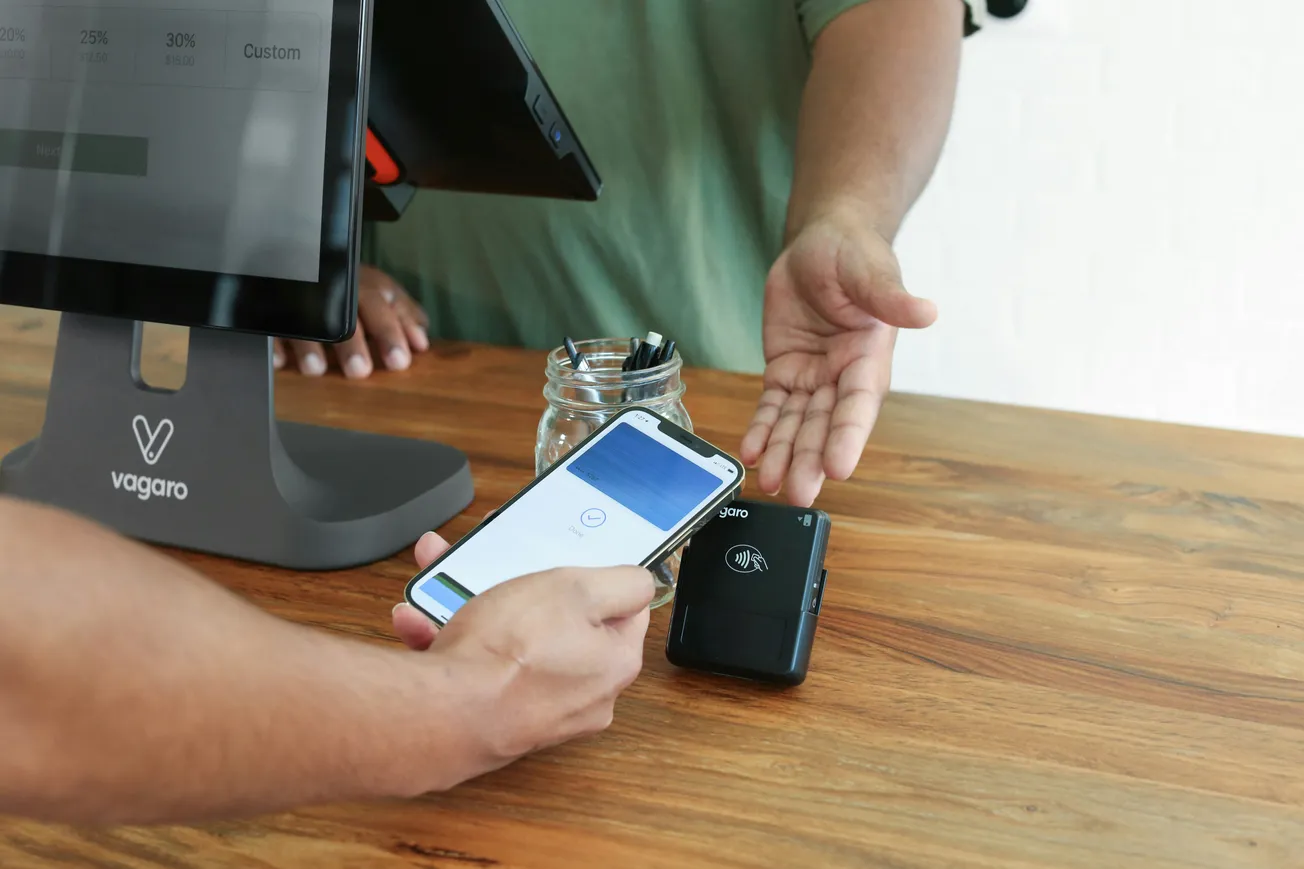
- Frictionless Experience: As consumers become more selective, the ease of transaction—through unified commerce and simplified fulfillment options like BOPIS (Buy Online, Pickup In Store)—becomes a key differentiator.
Looking Ahead: Resilience Amid Uncertainty
The National Retail Federation (NRF) recently forecast that overall retail sales will grow by 4.4% in 2026, reaching $5.6 trillion. While this indicates macro-level resilience, the underlying reality for individual brands is one of intense competition for a shrinking "discretionary dollar."
The brands that will win in the remainder of 2026 are those that balance cutting-edge technology—such as agentic AI and predictive analytics—with a human-centric approach to the shopper journey. By demystifying the complexities of the modern omnichannel landscape, Bentonville’s business community remains at the forefront of defining how the world shops, even when the shopper is tightening their belt.