The global energy landscape has entered a period of unprecedented volatility following a series of rapid-fire military strikes targeting critical oil and gas infrastructure across the Middle East.
Energy analysts and commodities traders describe a market "trading blind," as the traditional metrics used to forecast supply and demand are rendered obsolete by the sheer speed of the escalating conflict. Brent crude futures have surged past $118 per barrel, marking a 10% jump in a single session, while European natural gas prices have spiked by as much as 35%.
The current crisis was exacerbated by Iranian missile strikes on Qatar’s Ras Laffan Industrial City, the world’s largest liquefied natural gas (LNG) hub. The facility, which handles roughly 20% of the global LNG supply, was forced to shut down following extensive damage to two major production trains. Experts suggest that repairing this level of infrastructure could take three to five years, signaling a long-term disruption to global energy security.
Market Volatility and Information Gaps
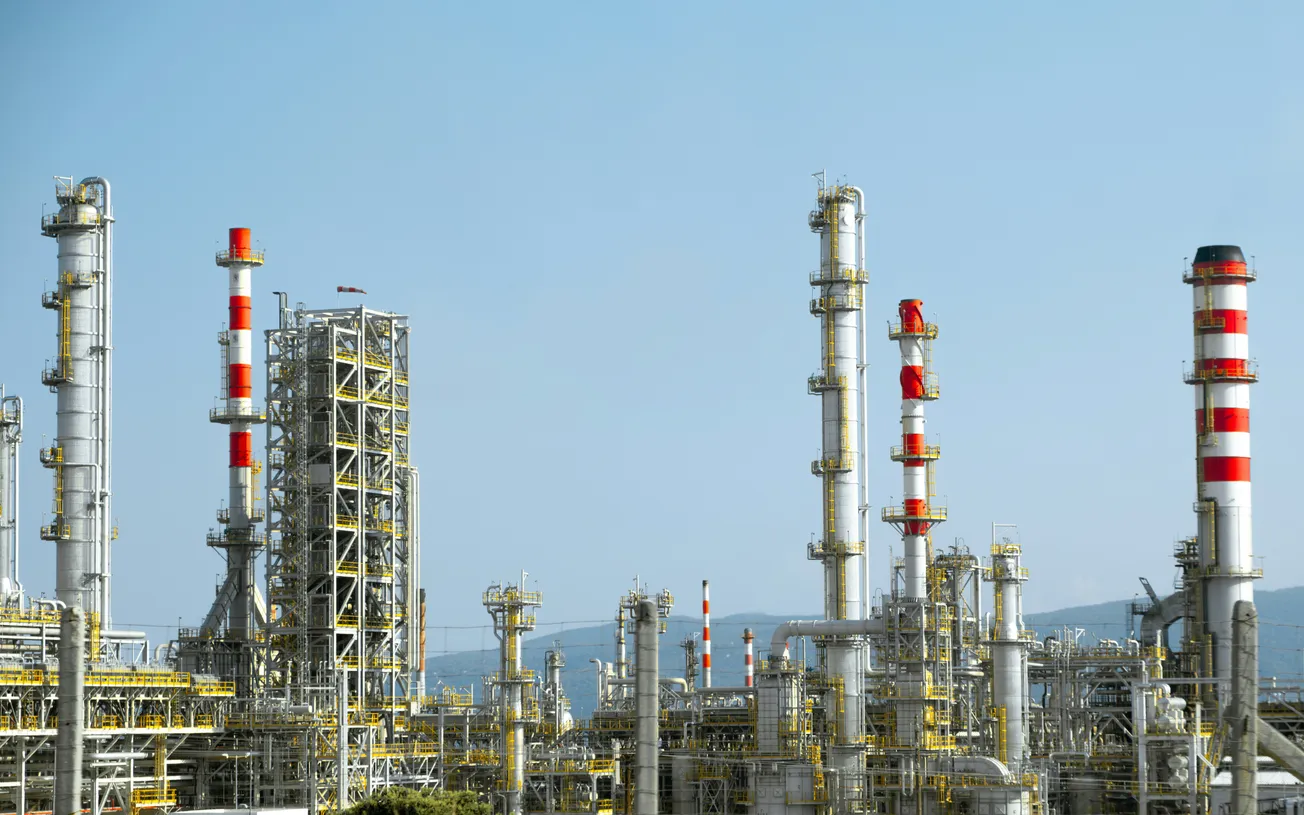
For institutional investors and retail stakeholders, the primary challenge is the lack of reliable data from the field. The "fog of war" has obscured the status of refineries in Saudi Arabia, the UAE, and Kuwait, all of which have reported either direct hits or operational pauses due to intercepted drone and missile barrages. This information vacuum has led to "gyrating" prices, as traders react to unconfirmed reports of damage rather than verified production figures.
The effective closure of the Strait of Hormuz—a vital artery through which one-fifth of the world’s seaborne oil traditionally flows—has further paralyzed the market. With tanker traffic at a near-total standstill, producers in the Persian Gulf have been forced to shut in upstream production as local storage facilities reach maximum capacity. This supply shock is being felt most acutely in Asia, where nations like Japan, South Korea, and India rely almost exclusively on Middle Eastern imports.
Strategic Shifts in Supply and Logistics
In response to the crisis, the United States has taken the rare step of waiving the Jones Act for 60 days to reduce domestic shipping costs and ease the pressure on energy prices. Additionally, the International Energy Agency (IEA) has initiated the largest emergency reserve release in its history, committing 400 million barrels of crude to the market.
However, market participants remain skeptical that these measures can offset a regional production drop estimated at 10 million barrels per day compared to March 2025.
For the Bentonville-based business community and the global retail sector, the implications are profound. Rising fuel and energy costs are direct drivers of inflation, impacting everything from manufacturing overhead to last-mile delivery expenses. The current "energy panic" is expected to depress consumer spending on non-essential items, as households across the globe face higher utility bills and record-high prices at the pump.
Future Outlook and Technological Resilience
As the conflict continues, the focus of the energy industry is shifting toward long-term resilience and the acceleration of alternative energy technologies. The disruption highlights the vulnerability of centralized energy hubs and is likely to spur renewed investment in decentralized grid technologies and renewable energy infrastructure.
In the immediate term, however, the priority remains navigating the extreme price swings and securing alternative supply routes. The integration of real-time tracking technology and AI-driven predictive modeling has become a critical tool for logistics professionals attempting to mitigate the impact of the ongoing blockade and infrastructure damage.
More about supply chain:
 Staff Report
 Staff Report
 Staff Report