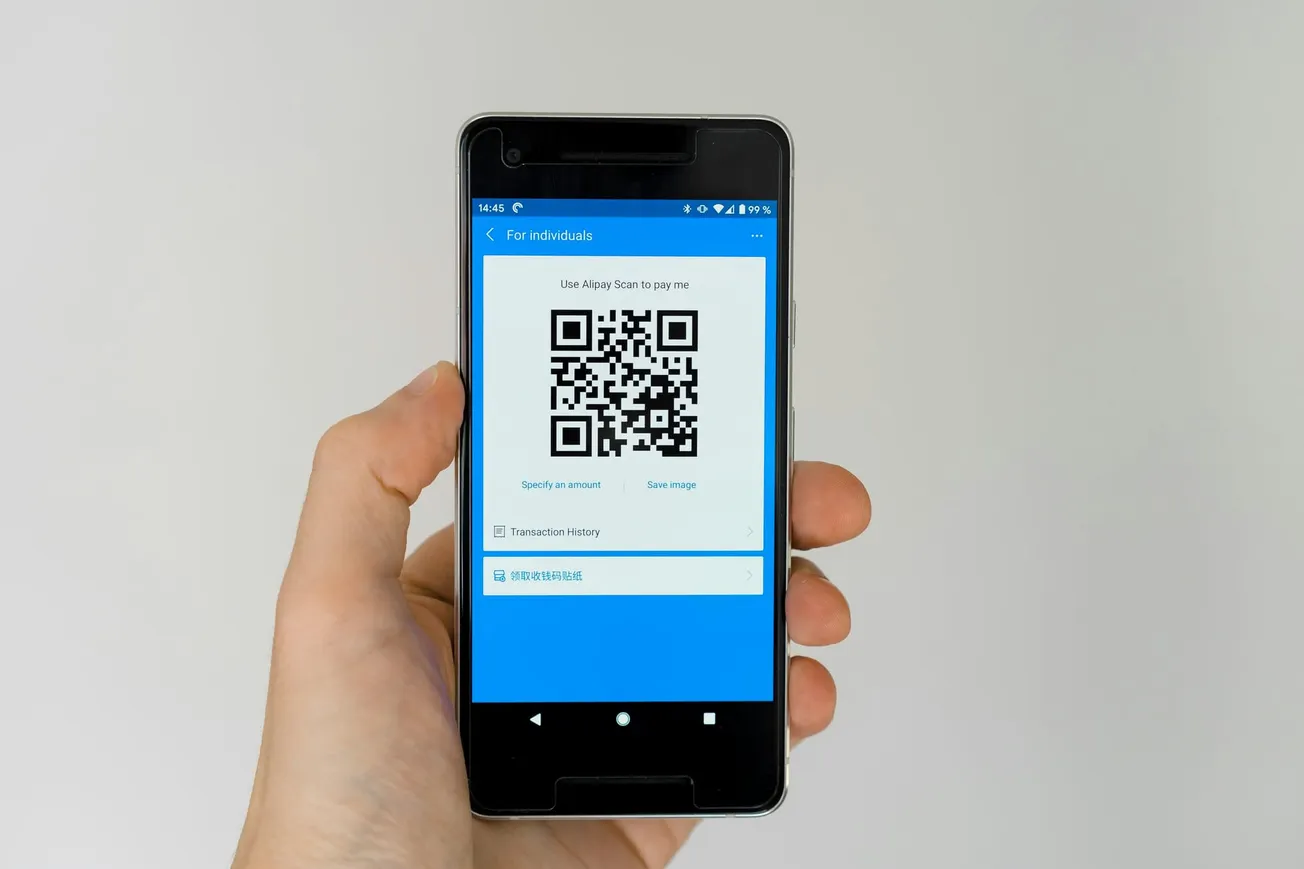
The "comeback kid" of the pandemic era has officially become a permanent fixture of the global shopping journey. According to the newly released "State of QR Codes 2026" report and recent consumer sentiment benchmarks, QR code adoption has reached near-universal levels, with over 102 million Americans projected to scan the matrix barcodes this year alone. What was once a touchless necessity has evolved into a strategic gateway for "intent-driven commerce," fundamentally altering how brands and retailers interact at the physical shelf.
From Static Links to Strategic Data Gateways
The latest data from Uniqode highlights a significant gap between consumer expectation and marketer execution. While 75% of consumers scan QR codes primarily to obtain more information—such as nutritional data, ethical sourcing, or assembly guides—only 36% of marketers currently use the technology for this purpose. Most still lean toward promotional discounts or simple website redirects.
In the Bentonville ecosystem, where supply chain transparency and "at-the-shelf" decision-making are paramount, this shift represents a major opportunity. Retailers like Walmart have already begun transitioning toward advanced QR-based systems capable of holding richer product data than the traditional UPC barcode. This "dimensional shift" allows for real-time updates on provenance, freshness, and even "shrinkflation" alerts, which 65% of consumers now report they expect from responsible retailers.
Demographics and the Weekly Scan Habit
Usage frequency is also hitting record highs. Research from TEAM LEWIS and 1WorldSync indicates that 51% of Millennials and 49% of Gen Z consumers utilize QR codes at least once a week. The technology has crossed the chasm into older demographics as well, with nearly 71% of all U.S. adults now characterizing QR codes as "useful" in their daily lives.
For merchandising professionals, the takeaway is clear: the QR code is no longer an experimental "add-on" but a primary interface. In-store scans have grown by 43% year-over-year, and shoppers who engage with this technology demonstrate conversion rates between 22% and 25%. These interactions also drive higher average order values, often ranging from $80 to $90 per transaction.
The Rise of First-Party Data and AI Integration
Beyond the initial scan, 2026 is seeing the integration of QR codes with artificial intelligence and first-party data strategies. Over 90% of marketers now recognize QR codes as a critical channel for capturing direct customer interactions. As the industry moves away from third-party cookies, these "opt-in" scans provide a compliant way to learn who customers are and what they want.
Furthermore, 84% of marketers plan to integrate AI and machine learning with their QR ecosystems this year. This could include personalized post-scan experiences where an AI assistant provides tailored recipe recommendations or price comparisons based on the specific product scanned in-store. This blending of physical and digital experiences is pushing retail teams to think of the QR code as an entry point into a broader loyalty flow rather than a final destination.
Challenges: Trust, Design, and Governance
Despite widespread use, challenges remain regarding security and design quality. Approximately 29% of consumers still express concerns about data privacy, though confidence is rising; nearly 60% of respondents now feel codes are safe to scan. To combat "hesitation," industry leaders are moving toward centralized governance—using branded domains, consistent logos, and high-contrast designs to signal reliability.
As Bentonville continues to position itself as the omnichannel retail center of the world, the humble QR code has become a sophisticated tool for overcoming barriers in the shopper journey. By delivering "content-to-context" at the exact moment of intent, these scannable squares are securing their place as the backbone of the next era of retail.