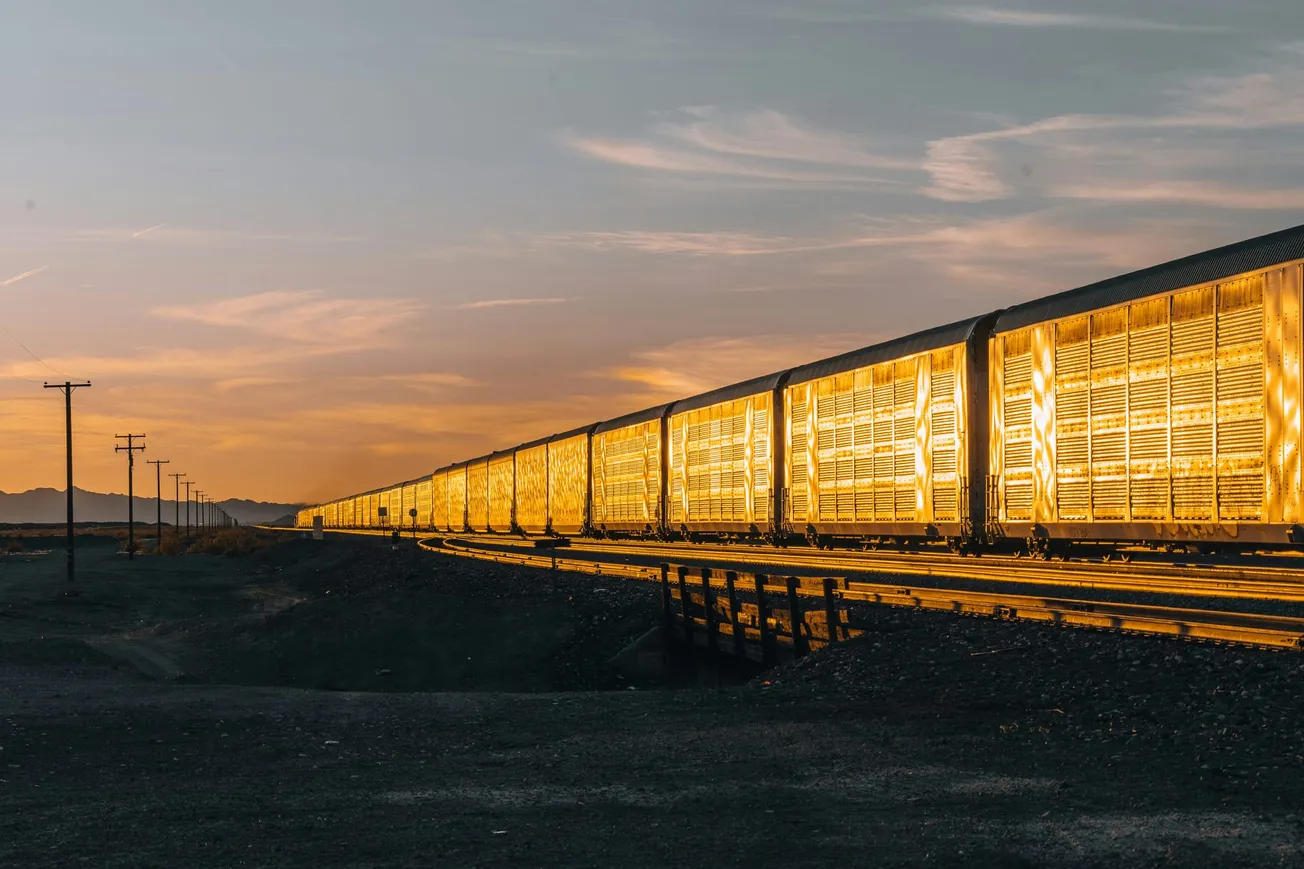
The global logistics landscape is undergoing a fundamental transformation as retailers and carrier services move away from traditional hub-and-spoke models toward more localized, agile networks. As the omnichannel retail center of the world, Bentonville, Arkansas, serves as a primary laboratory for these shifts, where the intersection of mass-market retail and advanced supply chain technology dictates the pace of global commerce.
Recent industry data and market shifts from major players like DHL, FedEx, and UPS indicate that the "last mile"—the final leg of a product's journey to the consumer's door—is no longer just a cost center but a competitive battlefield.
The Rise of Regionalized Distribution Networks
For decades, the parcel industry relied on centralized hubs to sort and redirect volume. However, the surge in e-commerce demand and the consumer expectation for next-day or same-day delivery have rendered these legacy systems insufficient. Carriers are now prioritizing regionalization, a strategy that involves placing inventory closer to the end consumer to reduce transit times and fuel costs.
This shift is particularly evident in the strategic maneuvers of major logistics providers. According to insights from Supply Chain Dive, companies are increasingly investing in regional sorting facilities that bypass national hubs. By shortening the distance between the distribution center and the doorstep, companies can mitigate the risks of national network congestion and rising line-haul costs. For Bentonville-based suppliers and vendors, this means optimizing inventory placement across a more fragmented but efficient geographical spread.
Automation and Robotics in the Warehouse
To manage the complexity of regionalized networks, the industry is leaning heavily into automation. Artificial Intelligence (AI) and robotics are being deployed at record scales to handle sorting, picking, and packing processes. This technological infusion is necessary to address labor shortages and the demand for high-speed throughput.
In many modern facilities, autonomous mobile robots (AMRs) work alongside human associates to increase safety and productivity. These systems use machine learning to optimize paths through warehouses, reducing the time a package sits stationary. For the omnichannel professional, understanding these technological benchmarks is vital for maintaining a lean supply chain. The integration of "dark warehouses"—facilities that are fully or mostly automated—is moving from a futuristic concept to a functional reality in high-density markets.
Sustainability and the Green Last Mile
Environmental, Social, and Governance (ESG) criteria are becoming central to corporate strategy in the logistics sector. As urban centers become more congested, the "green last mile" has emerged as a priority for both regulators and consumers. The transition to electric vehicle (EV) fleets is the most visible sign of this change.
Major global carriers have committed to carbon-neutral targets, prompting a massive procurement of electric delivery vans and the installation of charging infrastructure at local delivery stations. Beyond electrification, companies are experimenting with micro-fulfillment centers and cargo bikes in dense urban environments to reduce the carbon footprint of individual deliveries. These initiatives are not merely performative; they are essential for long-term viability as cities worldwide implement stricter emissions standards.
The Impact of Capacity and Pricing Dynamics
The pricing power in the parcel market remains a point of contention between shippers and carriers. After years of record-high surcharges and rate increases, the market is seeing a slight softening in demand, leading to a more complex negotiation environment. However, carriers continue to apply "peak" surcharges year-round, citing the increased cost of maintaining flexible capacity.
Strategic leaders in the Bentonville ecosystem are responding by diversifying their carrier portfolios. Rather than relying on a single national provider, many brands are utilizing a mix of national carriers, regional delivery services, and even crowdsourced delivery platforms to ensure resilience. This "multi-carrier" approach provides a safeguard against price hikes and capacity crunches during the holiday season or unforeseen global disruptions.
Conclusion: The Omnichannel Imperative
As the boundary between physical and digital storefronts continues to blur, the logistics network becomes the backbone of the brand experience. A failed delivery or a delayed package is often viewed by the consumer as a failure of the brand itself, not just the carrier. For the community of experts in Northwest Arkansas and beyond, mastering the nuances of parcel logistics is a prerequisite for winning in the omnichannel era.
The future of the industry lies in the seamless integration of data, automated infrastructure, and localized delivery models. By staying ahead of these trends, businesses can transform their supply chains from a necessary expense into a powerful driver of customer loyalty and operational excellence.
More about supply chain:
 Staff Report
 Staff Report
 Staff Report