
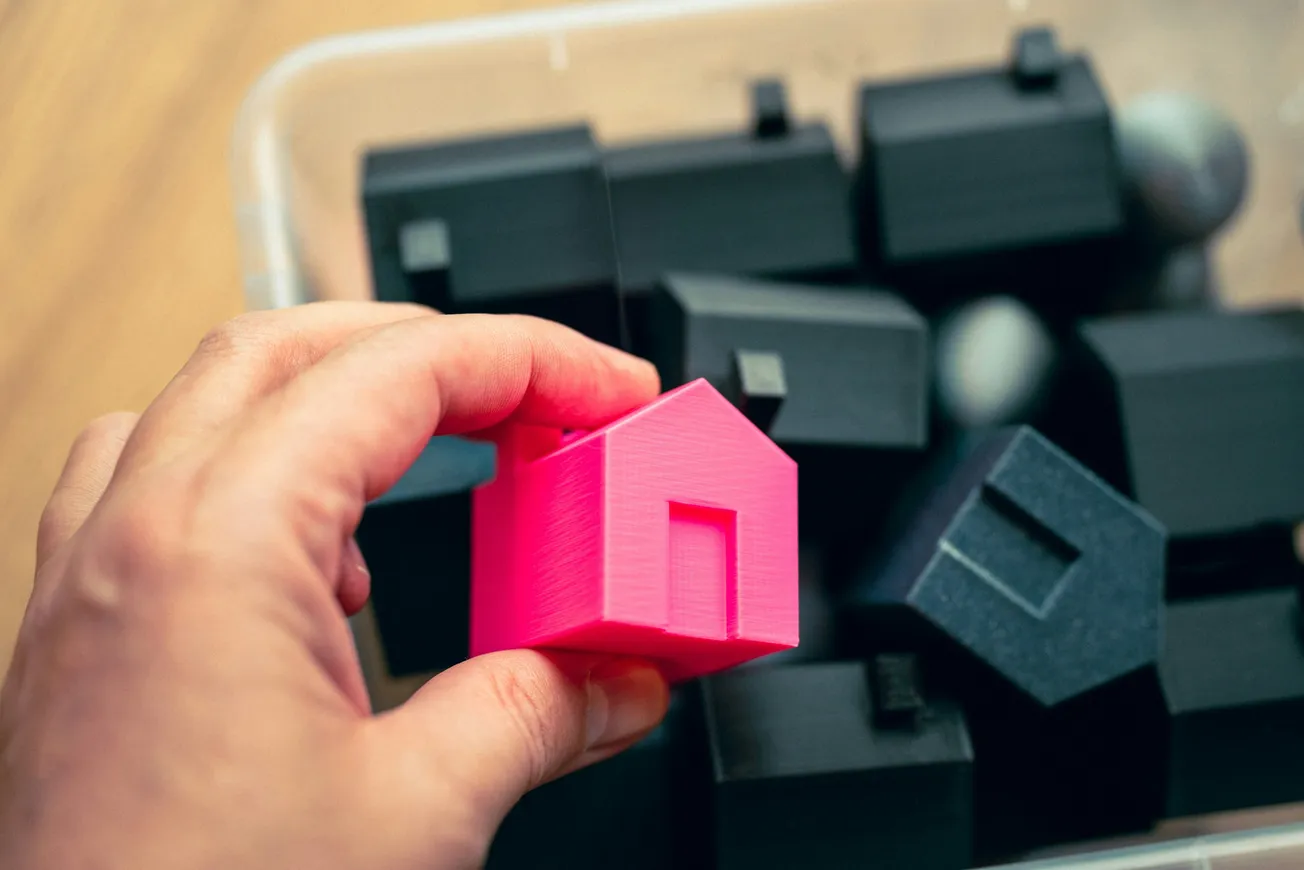
The home retail sector, a critical pillar of the American consumer economy, is bracing for a difficult 2026 as industry analysts predict that an already "weak" market is set to become even more challenging. According to recent reports from Retail Dive, the sector is struggling to find a floor after several years of fluctuating demand and shifting macroeconomic priorities.
For the business community in Bentonville—where home decor, furniture, and hardware categories represent a massive portion of the vendor ecosystem—this downward trend signals the need for aggressive strategic shifts and a heightened focus on value-driven merchandising.
The primary drivers of this downturn include a stagnant housing market and the lingering effects of high interest rates, which have deterred consumers from large-scale home renovations and big-ticket furniture purchases.
Unlike the pandemic-era boom that saw record spending on "nesting," the current landscape is defined by a "wait-and-see" approach. Analysts note that as household budgets are squeezed by inflation in essential categories, discretionary spending on home goods has become a secondary priority for many families, leading to declining comparable-store sales across major national chains.
Inventory Challenges and the Omnichannel Response
For retailers and supply chain partners, the weakening outlook for 2026 necessitates a rigorous evaluation of inventory management and omnichannel efficiency. Excess stock in slow-moving categories can lead to aggressive discounting, which erodes profit margins and brand equity. In Bentonville, where thousands of suppliers coordinate with the world’s largest retailers, the emphasis is shifting toward "agile replenishment" and predictive analytics to ensure that shelf space is occupied by high-turnover items rather than stagnant home goods.
The downturn is also forcing a transformation in how home products are marketed and sold online. To combat the brick-and-mortar slump, retailers are leaning into augmented reality (AR) and sophisticated digital tools to reduce the friction of online furniture shopping. By allowing customers to virtually "place" items in their homes, brands hope to increase conversion rates and decrease costly returns. However, even with these technological advancements, the fundamental challenge remains a lack of consumer confidence in the broader economic trajectory.
Strategic Outlook for Vendors and Stakeholders
Investors and corporate leaders are closely watching how major players in the home space—ranging from specialty retailers like Wayfair and Williams-Sonoma to big-box giants like Target and Walmart—adjust their 2026 guidance. Many are pivoting toward "private label" offerings to provide more affordable alternatives to price-sensitive shoppers. This strategy allows retailers to maintain some level of volume while providing a "good-better-best" tiered pricing structure that appeals to a wide demographic.
As the industry prepares for a year of contraction, the survivors will likely be those who can optimize their supply chains to lower landed costs and those who successfully integrate their digital and physical storefronts to capture the remaining market share. For the Bentonville retail community, the 2026 outlook is a clear call to action: innovation in efficiency and a relentless focus on the consumer's perception of value will be the only ways to navigate the projected "weak get weaker" cycle.
More about merchandising:
 Staff Report
 Staff Report
 Nathan Sellars