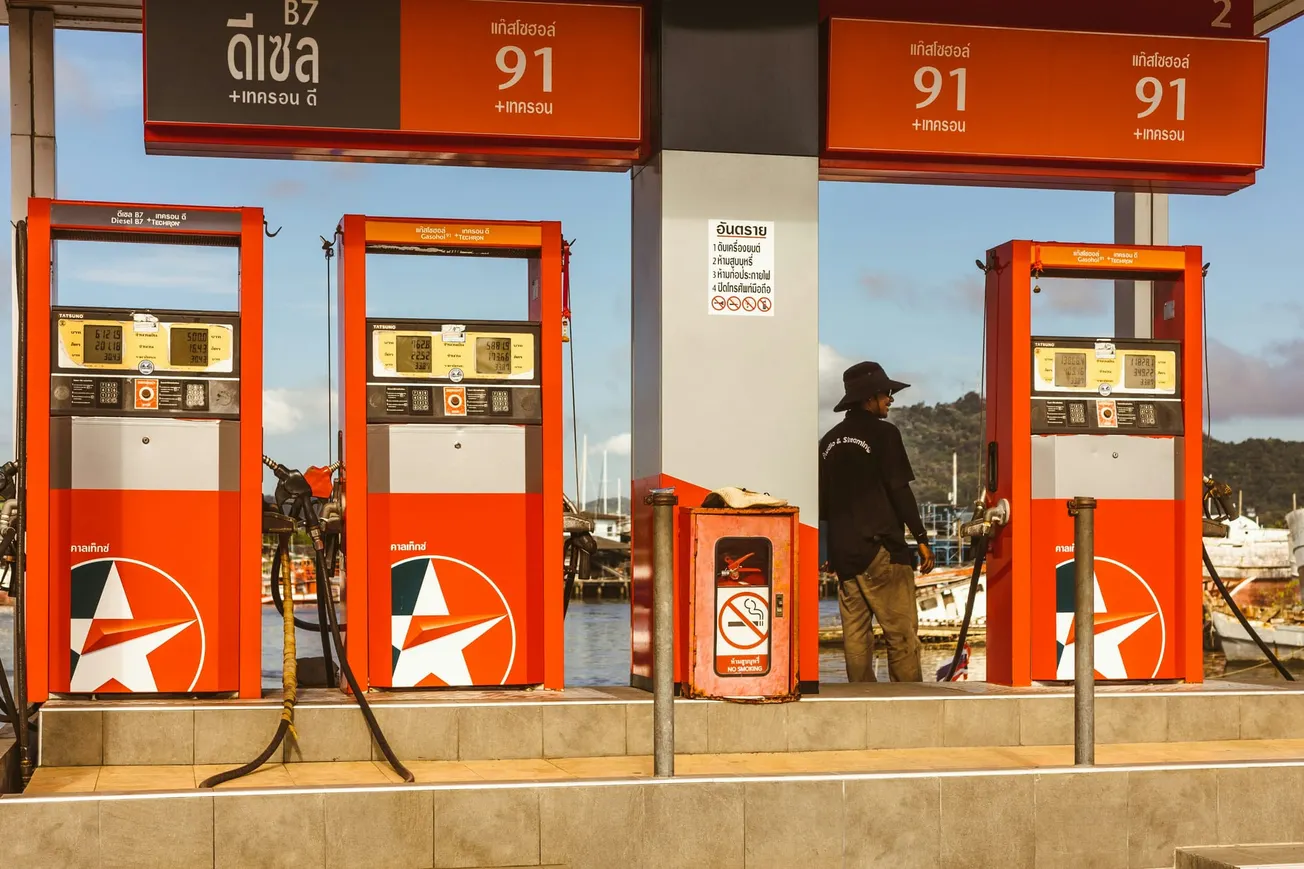

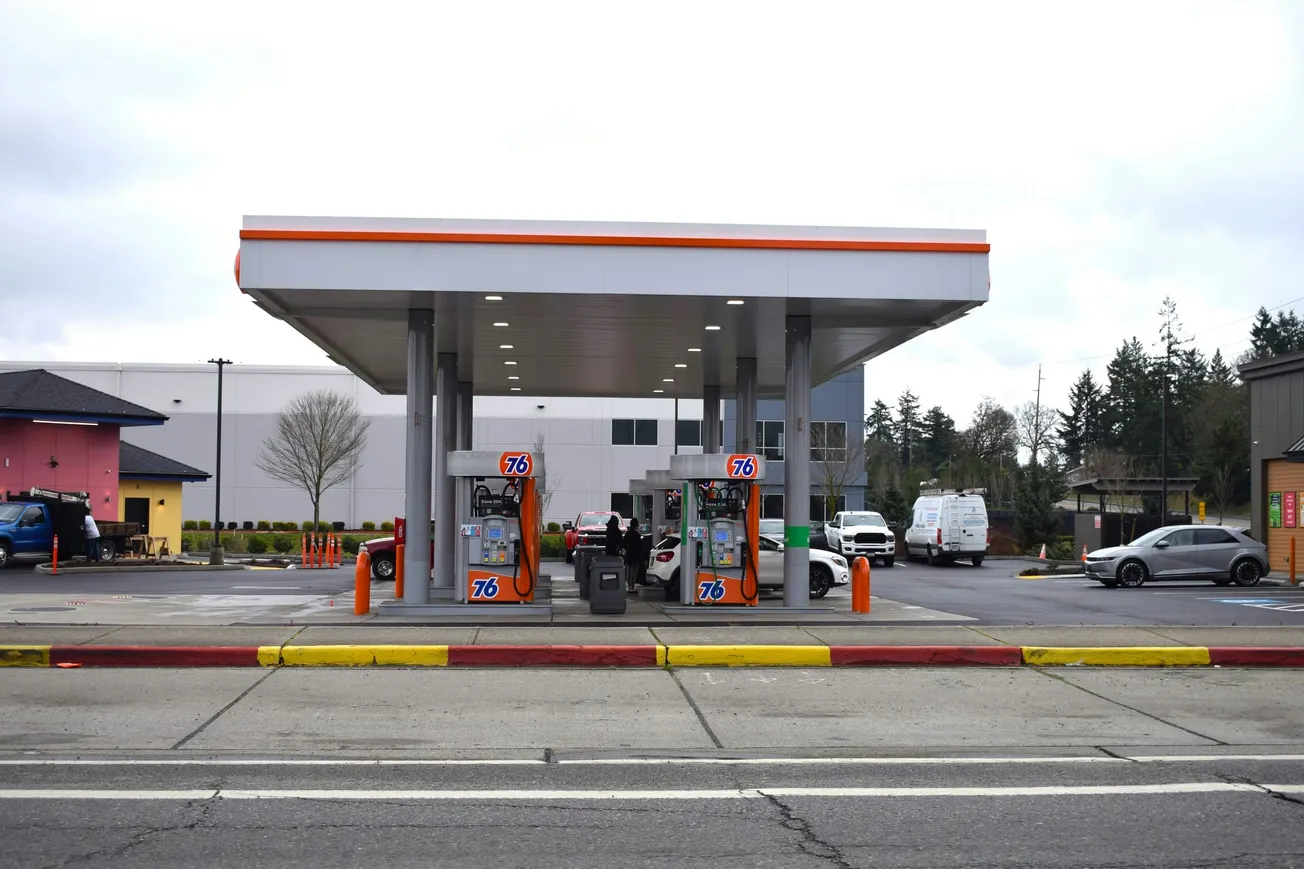
As the spring travel season approaches in 2026, American households are facing a significant new financial burden. According to a recent economic analysis featured by the Wall Street Journal, the average U.S. household is projected to spend an additional $740 on gasoline this year compared to 2025. This surge in energy costs acts as a "stealth tax" on the consumer, threatening to dampen the recent improvements in shopper sentiment and forcing a strategic recalibration for retailers and supply chain leaders in Bentonville and beyond.
The spike is driven by a combination of tight global crude oil supplies, refinery maintenance cycles, and geopolitical tensions that have kept the national average for a gallon of regular unleaded consistently above the four-dollar mark. For the "omniconsumer," this isn't just a pain point at the pump; it is a catalyst for changing how, where, and when they shop.
Discretionary Spending and the "Fuel Squeeze"
The $740 increase in annual fuel expenses represents a direct diversion of funds that would otherwise be spent on discretionary categories such as apparel, electronics, and dining out. Retailers are already seeing the impact of this "fuel squeeze" in real-time data. When gas prices rise, consumers tend to consolidate their shopping trips—a behavior known as "trip pairing"—to minimize mileage.
For large-format retailers and the vendor community in Northwest Arkansas, this shift emphasizes the importance of the "one-stop shop" model. If a consumer is only making one major trip per week to save on gas, the retailer that can provide groceries, pharmacy services, household essentials, and fuel in a single location wins the lion's share of that week's wallet.
Logistics and the Last Mile Challenge
The impact of higher fuel costs extends far beyond the consumer's personal vehicle. It ripples through the entire supply chain, increasing the "cost to serve" for every item on the shelf. Shipping surcharges and increased freight rates are once again becoming a central theme in corporate strategy meetings.
- Last-Mile Delivery: Services like home delivery and ultra-fast fulfillment become significantly more expensive to operate when fuel prices climb. This is pushing retailers to incentivize "Buy Online, Pickup In-Store" (BOPIS) and curbside pickup, which shifts the final leg of the delivery cost back to the consumer—who is already feeling the pinch.
- Inventory Placement: To mitigate transport costs, supply chain experts are focusing on "hyper-local" inventory placement, using predictive AI to ensure products are stored as close to the end consumer as possible, reducing the total "ton-miles" required for fulfillment.
- Fleet Electrification: The current price spike is accelerating the conversation around EV integration in logistics fleets. Firms that have already invested in electric last-mile delivery vans are finding themselves at a competitive advantage as diesel and gasoline prices fluctuate.
Strategic Coordination: Asking the Right Questions
For the stakeholders of Doing Business in Bentonville, the current energy landscape requires asking the right questions about value and convenience. How can brands communicate value to a shopper who has $740 less to spend this year? The answer lies in the coordination of experts across the omnichannel network.
Marketing teams are pivoting toward "value-messaging," highlighting bulk savings and private-label alternatives that help offset the cost of the commute. Meanwhile, merchandising leaders are optimizing assortments to ensure that when a shopper does make that high-cost trip to the store, the products they need are in stock and easily accessible.
Resilience in an Unpredictable Landscape
While $740 is a substantial figure, the 2026 consumer has shown remarkable resilience. The "functional but fragile" state of the market means that while spending is being scrutinized, it has not stopped. The focus has simply shifted toward intentionality.
As we continue to demystify the complexities of the omnichannel journey, the role of Bentonville as a global business hub remains critical. By understanding the macro-economic pressures like rising fuel costs, the local ecosystem of leaders can better equip brands to navigate the barriers of 2026 and continue to deliver the insights and resources needed to win at the shelf.