
Geopolitical instability in the Middle East is creating significant headwinds for the global luxury retail sector, specifically impacting high-traffic commerce hubs like the Dubai Mall.
As regional tensions escalate, luxury conglomerates are reporting a noticeable squeeze on profit margins, driven by a decline in consumer confidence and a reduction in international tourism. This development serves as a critical case study for Bentonville-based retail leaders and global supply chain strategists who monitor how localized conflict can disrupt omnichannel retail ecosystems and high-end consumer behavior.
The Impact on High-End Retail Hubs
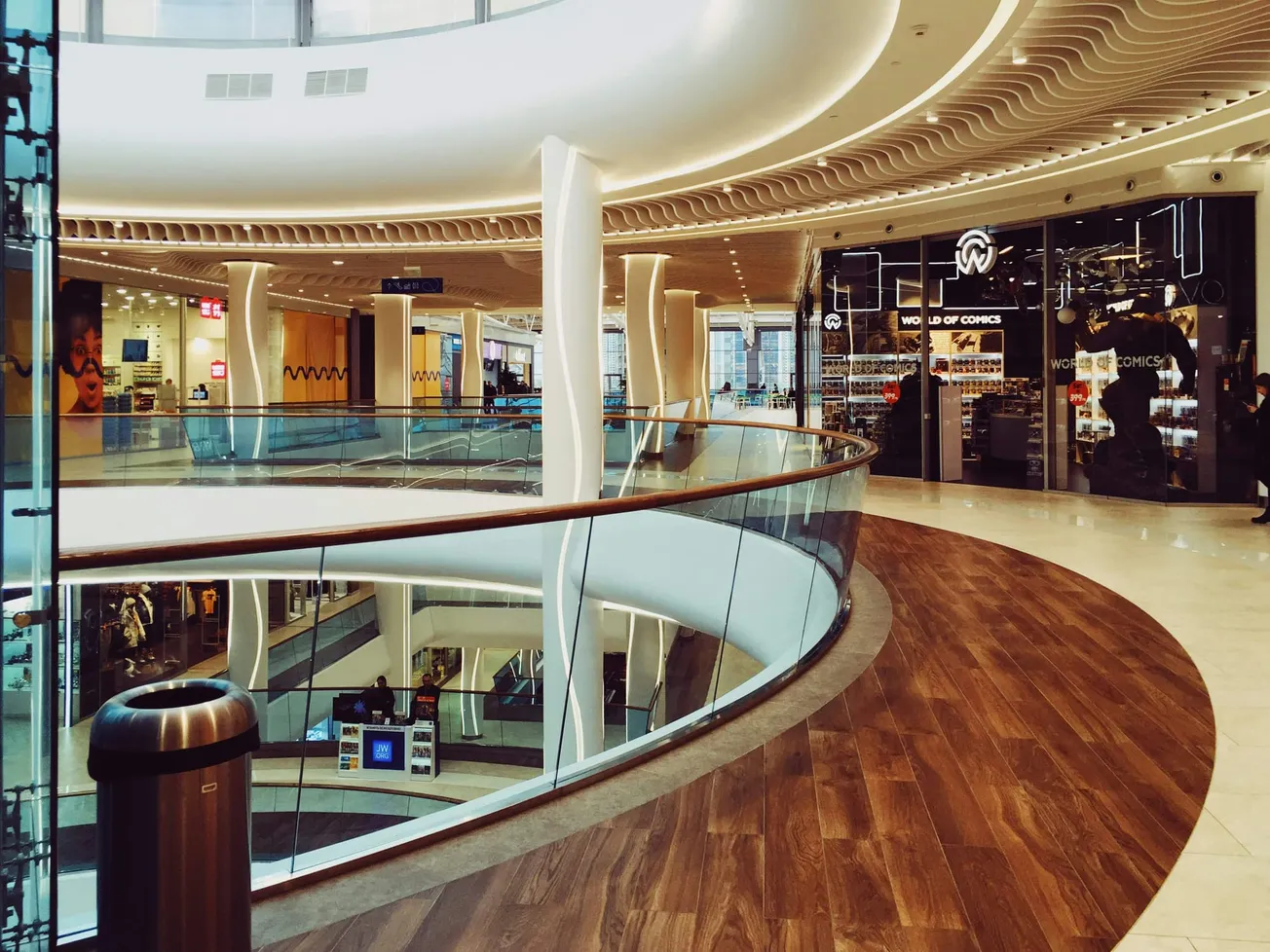
The Dubai Mall, often cited as a barometer for global luxury health due to its massive scale and international clientele, has experienced a shift in foot traffic and transaction volume.
According to reporting from Reuters, the conflict has led to a cautious approach among affluent shoppers who frequent the United Arab Emirates for high-end fashion, jewelry, and automotive brands. For major players like LVMH, Kering, and Richemont, the Middle East represents a vital growth engine. When regional security is threatened, the immediate result is often a contraction in discretionary spending.
Industry analysts note that the luxury sector is particularly sensitive to geopolitical shifts because it relies heavily on "experience-based" retail. When travel becomes restricted or perceived as high-risk, the influx of high-spending tourists—particularly from China, Europe, and neighboring Gulf states—diminishes. This reduction in physical store visits directly impacts the bottom line, as luxury brands still rely on high-touch, in-person interactions to drive significant portions of their annual revenue.
Supply Chain and Logistics Disruptions
Beyond the immediate decline in storefront sales, the conflict is introducing new complexities to the global supply chain. Logistics providers are being forced to reroute shipments to avoid high-risk zones, leading to increased freight costs and longer lead times for seasonal inventory. For retail managers in Bentonville and other logistical hubs, this highlights the fragility of just-in-time delivery models when faced with international volatility.
The cost of insurance for goods in transit through the region has also seen an uptick. These rising operational costs, combined with lower sales volumes, create a "margin squeeze" that forces corporate strategists to re-evaluate their regional investment portfolios. In an omnichannel environment, where inventory must be fluidly moved between physical locations and digital fulfillment centers, these disruptions can lead to localized stockouts or overstock situations that require aggressive discounting—a tactic luxury brands generally try to avoid to maintain brand equity.
Strategic Adjustments for Global Brands
In response to these challenges, many luxury brands are pivoting their marketing and operational strategies. There is an increased focus on digital engagement and domestic markets where consumer sentiment remains stable. By leveraging data-driven insights, retailers are attempting to recapture lost physical sales through personalized e-commerce experiences. This shift underscores the importance of a robust omnichannel strategy that can withstand localized physical disruptions.
Corporate leadership is also looking at long-term diversification. While Dubai remains a premier destination for retail, the current crisis emphasizes the need for a balanced global footprint. For stakeholders in the Bentonville business community, the situation illustrates how interconnected the world of commerce has become; a disruption in Middle Eastern malls can influence the quarterly earnings of multinational corporations, affecting investment and resource allocation across the board.
The Road Ahead for Luxury Markets
As the situation evolves, the retail industry will continue to monitor key performance indicators such as international flight bookings and consumer sentiment indices. The ability of luxury brands to maintain pricing power during a period of rising logistical costs will be a defining factor for their fiscal performance in 2026.
For now, the "wait and see" approach adopted by many consumers in the region suggests that a full recovery in luxury sales may depend heavily on the de-escalation of regional tensions.
More about global conflict impacts:
 Staff Report
 Staff Report
 Staff Report