The retail landscape in early 2026 is witnessing a definitive shift in generational spending power. While macroeconomic volatility has forced many households to tighten their belts, Gen Z shoppers are doubling down on "self-investment" categories. According to recent survey data from Chain Store Age and Lightspeed Commerce, nearly half of consumers aged 18-24 are increasing their shopping activity this year, with a specific focus on fitness, wellness, and beauty.
The "Reset Mentality" Driving Premiumization
Unlike older demographics, Gen Z is approaching 2026 with a "reset mentality." This cohort is moving away from reactive consumption and toward proactive well-being. The survey indicates that 61% of Gen Z respondents are specifically targeting fitness and health purchases, more than double the rate of the general population. This trend suggests that for younger shoppers, wellness is no longer an occasional indulgence but a non-negotiable line item in their monthly budget.
This demographic is increasingly willing to pay a premium for products that offer "functional affluence." This includes skincare that doubles as health treatment, microbiome-friendly cosmetics, and clinically backed wellness supplements. As noted byNielsenIQ, the health and beauty category saw some of the most significant volume growth in the past year, fueled largely by this generational demand for quality over quantity.
Omnichannel Discovery and the "Dermfluencer" Effect
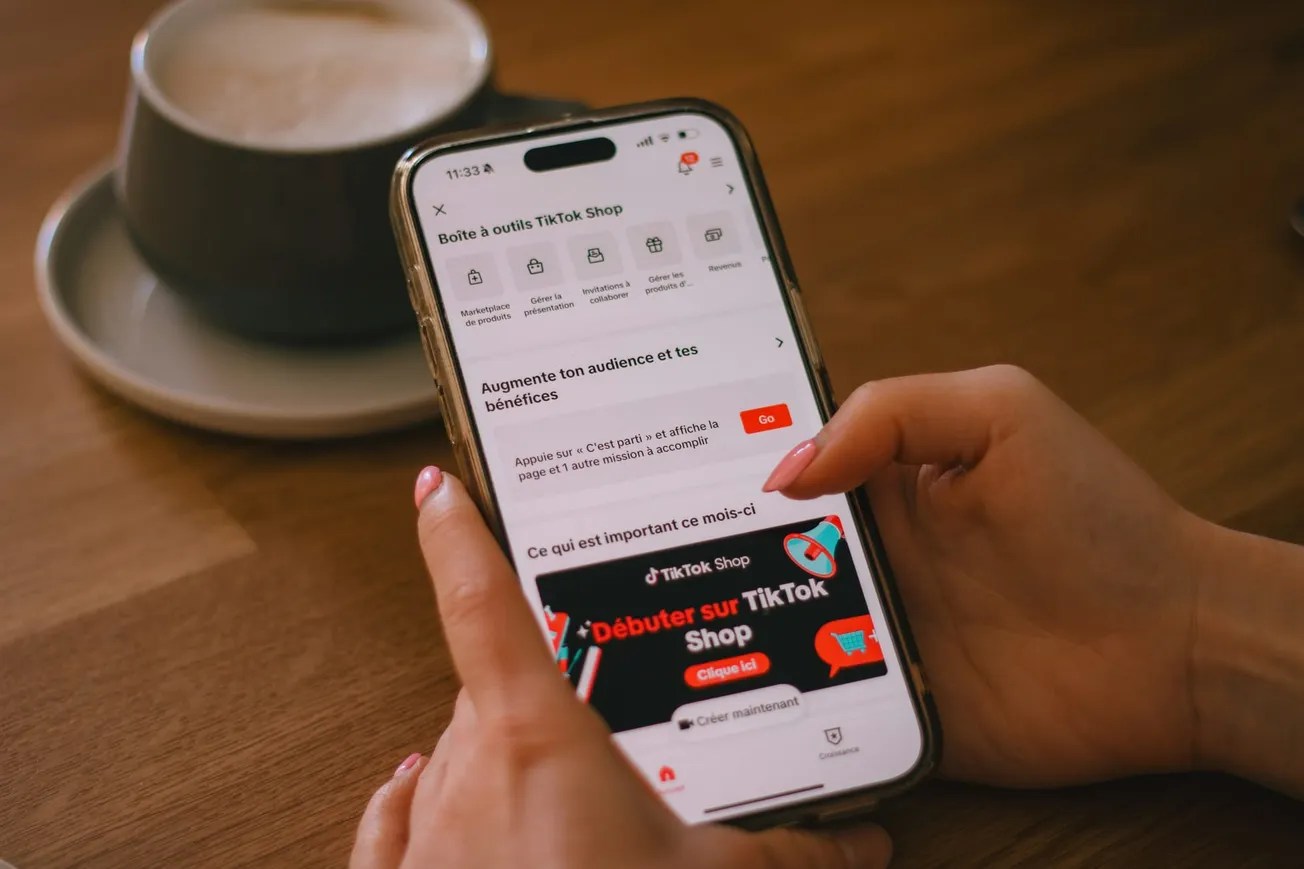
The path to purchase for these premium products is almost entirely shaped by digital touchpoints. Gen Z utilizes social platforms—specifically TikTok and Instagram—not just for inspiration but as primary search engines. The rise of "dermfluencers" (dermatologist influencers) has shifted the conversation from aesthetic "vibes" to ingredient transparency and efficacy.
Research from McKinsey highlights that younger consumers are more likely to experiment with high-tech wellness solutions, including health-tracking wearables, IV drips, and AI-driven personalized skincare routines. For Bentonville-based retailers and vendors, this necessitates an omnichannel strategy that integrates deep product education into the digital shopping experience. If a product cannot prove its efficacy through transparent data or credible social proof, it is unlikely to capture the Gen Z "splurge" budget.
Strategic Bifurcation: Cutting to Spend
To afford these premium wellness items, Gen Z is demonstrating sophisticated financial discipline in other areas. Many are "trading down" to private-label or store-brand goods for household staples and groceries to preserve capital for high-value beauty and health investments. This "split spending" behavior, also observed by PYMNTS Intelligence, creates a unique challenge for merchandisers who must now manage products that are either extreme value or extreme performance.
Sustainability and inclusivity also remain critical "premium" drivers. Over 73% of Gen Z shoppers prioritize environmental transparency, and 61% have switched brands in the last year due to poor sustainability records. Brands that command a higher price point must justify that cost through a combination of social responsibility, inclusivity, and visible results.
The Future of the High Street Wellness Model
The surge in demand is also reshaping physical retail. Cities with high Gen Z populations are seeing a rise in "experiential wellness" centers—retail spaces that combine product sales with services like specialized therapy or diagnostics. This shift toward a service-led retail model suggests that the future of the category lies in building community and providing expertise rather than just facilitating transactions.
As 2026 progresses, the influence of Gen Z will only grow. With an expected global spending power of $12 trillion by 2030, their preference for premium, health-oriented products is setting a new standard for the entire retail industry. For stakeholders in Northwest Arkansas, the mission is clear: demystify the technology and data behind these products to meet the high expectations of the world's most informed and intentional shopper.