
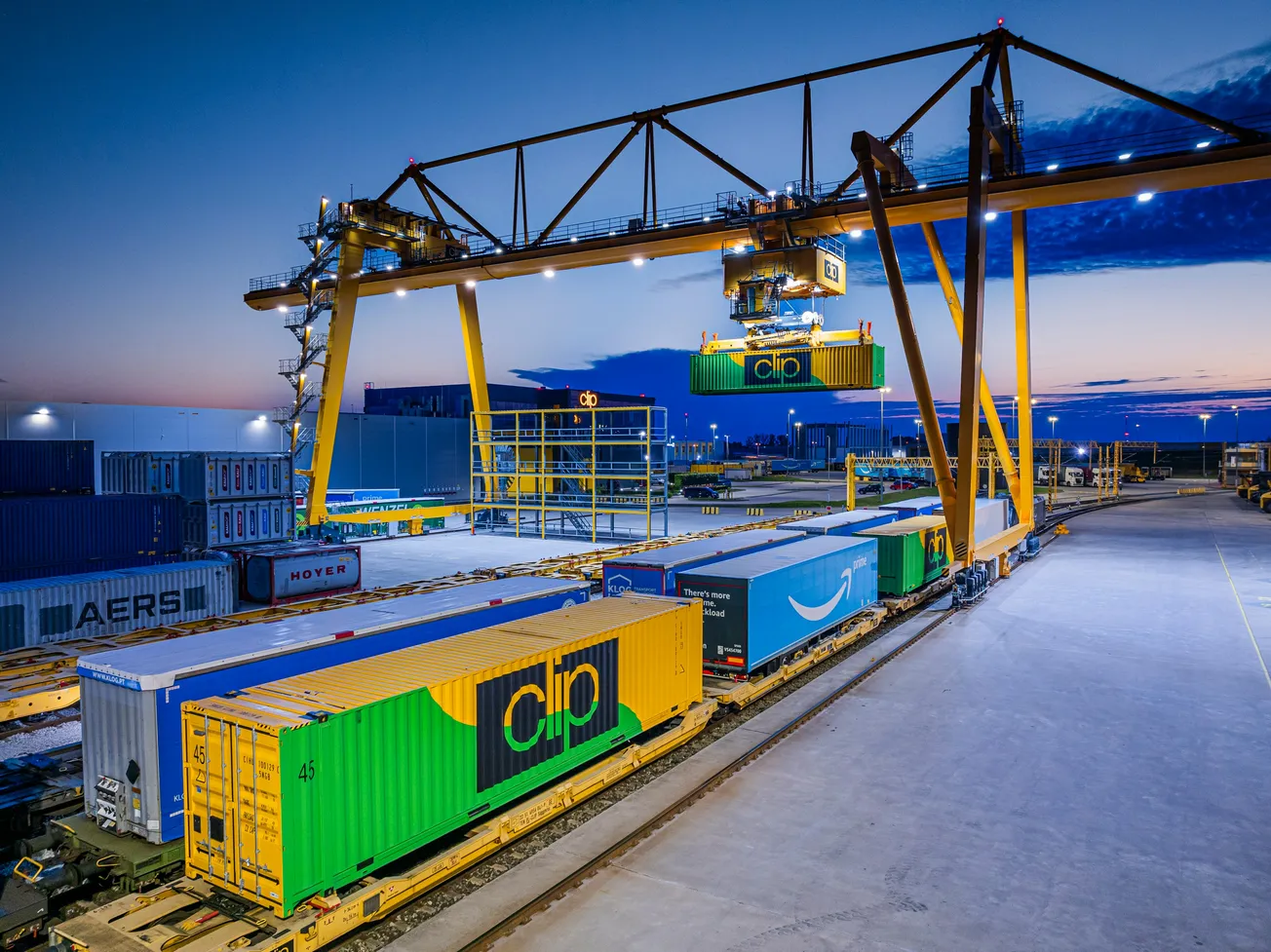
Quantifying the Global Supply Chain Impact on Inflationary Trends
The correlation between supply chain disruptions and consumer price indices has become a focal point for corporate strategy and economic forecasting. Research published by the Federal Reserve Bank of New York’s Liberty Street Economics provides a data-driven look at the "Global Supply Chain Pressure Index" (GSCPI), a tool designed to measure the intensity of logistical friction and its direct role in driving inflation. For omnichannel retailers and logistics providers, this analysis clarifies how external supply-side shocks often outweigh domestic demand-side factors in dictating the cost of goods.
The GSCPI integrates several common metrics—including cross-border transportation costs and regional manufacturing data—to provide a comprehensive view of the global movement of freight. The findings suggest that while consumer demand remains a factor, the primary drivers of recent price volatility are rooted in structural supply chain constraints, such as port congestion, container shortages, and labor imbalances across the international shipping network.
The Mechanics of Supply-Driven Inflation
The New York Fed's analysis highlights that supply-side pressures are not localized phenomena but rather interconnected global events. When manufacturing hubs in Asia face production delays, the resulting scarcity triggers a ripple effect that manifests as higher wholesale costs for North American retailers. In Bentonville, where thousands of vendors manage intricate global sourcing networks, these "supply-side shocks" require constant recalibration of pricing strategies and inventory management.
The research indicates that approximately half of the variance in inflation can be attributed to these supply-side shifts. For industry leaders, this underscores the importance of supply chain visibility. When logistics costs spike—whether due to maritime bottlenecks or inland freight capacity issues—the increased overhead is inevitably passed through the supply chain, eventually impacting the shopper at the point of sale.
Strategic Response and Technological Integration
To mitigate the impact of supply-driven inflation, many organizations are turning to advanced technology and AI-driven predictive modeling. By utilizing real-time data from indices like the GSCPI, corporate strategy teams can better anticipate periods of high pressure and adjust their procurement cycles accordingly. This shift toward "just-in-case" inventory models, as opposed to traditional "just-in-time" methods, is a direct response to the volatility identified in the Fed's research.
In the omnichannel retail space, where consistency is key to the customer experience, the ability to absorb or strategically manage these cost increases defines market leadership. Marketing and merchandising experts must work in tandem with logistics teams to ensure that promotional calendars do not coincide with predicted peaks in supply chain pressure, which could lead to margin erosion or out-of-stock scenarios.
Economic Outlook for Retail Stakeholders
As the global economy continues to navigate the post-pandemic landscape, the Fed's research serves as a reminder that the "new normal" in retail is characterized by persistent supply-side complexity. While central banks use interest rate adjustments to manage demand-side inflation, these tools have limited impact on the physical movement of goods across oceans and borders.
For the Bentonville business community, the mission remains clear: demystifying these global economic indicators into actionable local strategies. By understanding the root causes of inflationary pressure, from shipping lanes to factory floors, stakeholders can better navigate the barriers of omnichannel retail and maintain a competitive edge in a dynamic global market. Through coordinated effort and insight-rich content, the industry can move toward a more resilient and transparent supply chain ecosystem.
More about supply chain:
 Staff Report
 Nathan Sellars
 Staff Report