

Retailers are increasingly adopting hyperlocal logistics as a strategy to improve delivery time, performance, and cost efficiency. In an era where customers seek convenience and quick access to products, hyperlocal logistics focuses on reducing delivery times by locating smaller fulfillment centers closer to customers. These hyperlocal nano fulfillment centers (NFCs) replace large warehouses on the outskirts of cities. By leveraging automation and advanced technologies, NFCs can operate autonomously or semi-autonomously, handling tasks like inventory management, order preparation, and packaging. This automation eliminates the need for a large workforce, resulting in significant cost savings for retailers. Hyperlocal logistics also supports omnichannel strategies by improving inventory management and item accessibility, allowing retailers to offer a seamless transition between different channels for customers. By adopting hyperlocal logistics, retailers can enhance customer satisfaction, foster brand loyalty, and adapt to an ever-changing retail landscape while reducing costs and maintaining a competitive edge.
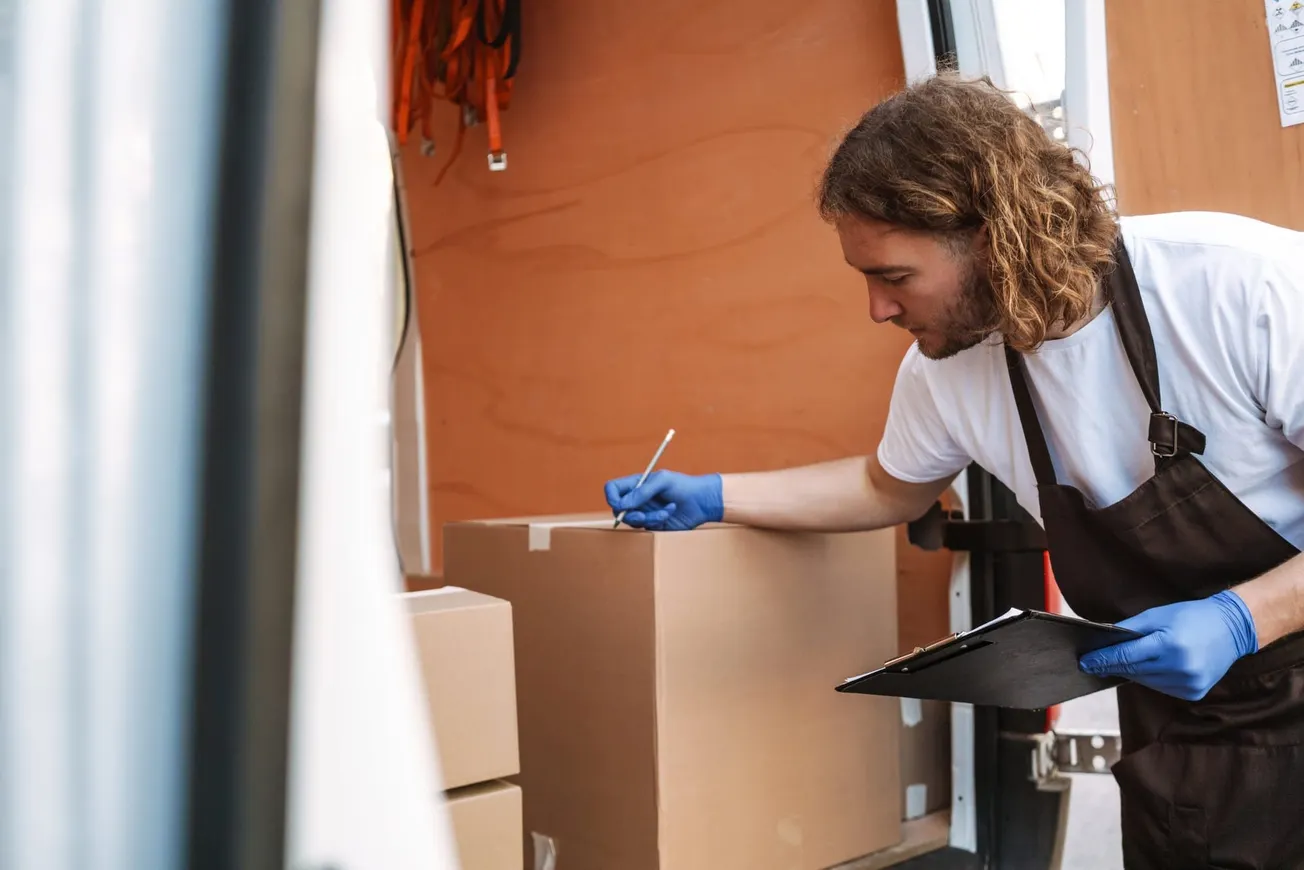
Retailers Embrace Hyperlocal Logistics for Faster Deliveries and Cost Savings
Revolutionizing fulfillment centers and automating inventory management for enhanced performance and customer satisfaction
Related
Ep. 19 - Securing Operations: Visibility Without the Cloud
Brianna Sullivan of Iolite Secure explains how threat actors exploit overlooked operational technology like legacy hardware and HVAC systems, and how logistics operators can detect anomalous device activity before production halts.

Ep. 7 - Apparel Wars: Competing in the Omni-Channel Era
Former Walmart VP Deanah Baker draws on 30 years in apparel to explain how brands survive mid tier retail compression, balancing steady basics with nimble fashion testing, compressing production cycles, and moving from DTC to wholesale.

The Billion-Dollar Blind Spot: Is Your Supply Chain Exposed to Counterfeits?
Dr. Matt Waller and Daniel "Mr. Supply Chain" Stanton unpack vendor trust blind spots, high-tech tracking, gray markets, and supply chain resilience.
Ep. 169 - Part 1: Fixing Broken Processes in Business
Globalize CEO Peter Holland explains how his team manages workforce operations across 160 countries, showing how standardized payroll, expense, and tax compliance processes help prevent costly errors during international expansion.
Latest
Ep. 171 - Merchandising Tactics: Executing the Store of the Future
Smurfit Westrock’s Leon Nicholas explains how retailers must merchandise for a K shaped economy, balancing premium challenger brands with opening price points while private labels claim prime space in new Northwest Arkansas formats.

Ep. 7 - Omnichannel Growth: Dr. Squatch’s Walmart Playbook
Dr. Squatch’s Sylvia explains why pure ROAS optimization cannibalizes retail growth, sharing how to structure campaigns that avoid bidding against yourself, win new to brand shoppers, and drive true foot traffic and share at Walmart.

Ep. 27 -The Store Is Becoming a Digital Platform: Where Physical Experience Meets AI
David Polinchock of the Brand Experience Lab explains how AI, computer vision, and electronic shelf labels should enhance rather than replace the shopping experience, empowering floor associates instead of adding friction for shoppers.

AI Can Recommend. But Are Consumers Ready to Let It Buy?
Scott Benedict breaks down Kearney holiday shopping data showing only 2 percent of consumers trust AI agents to check out alone, and why reliable inventory, product data, and fulfillment must come before autonomous buying.