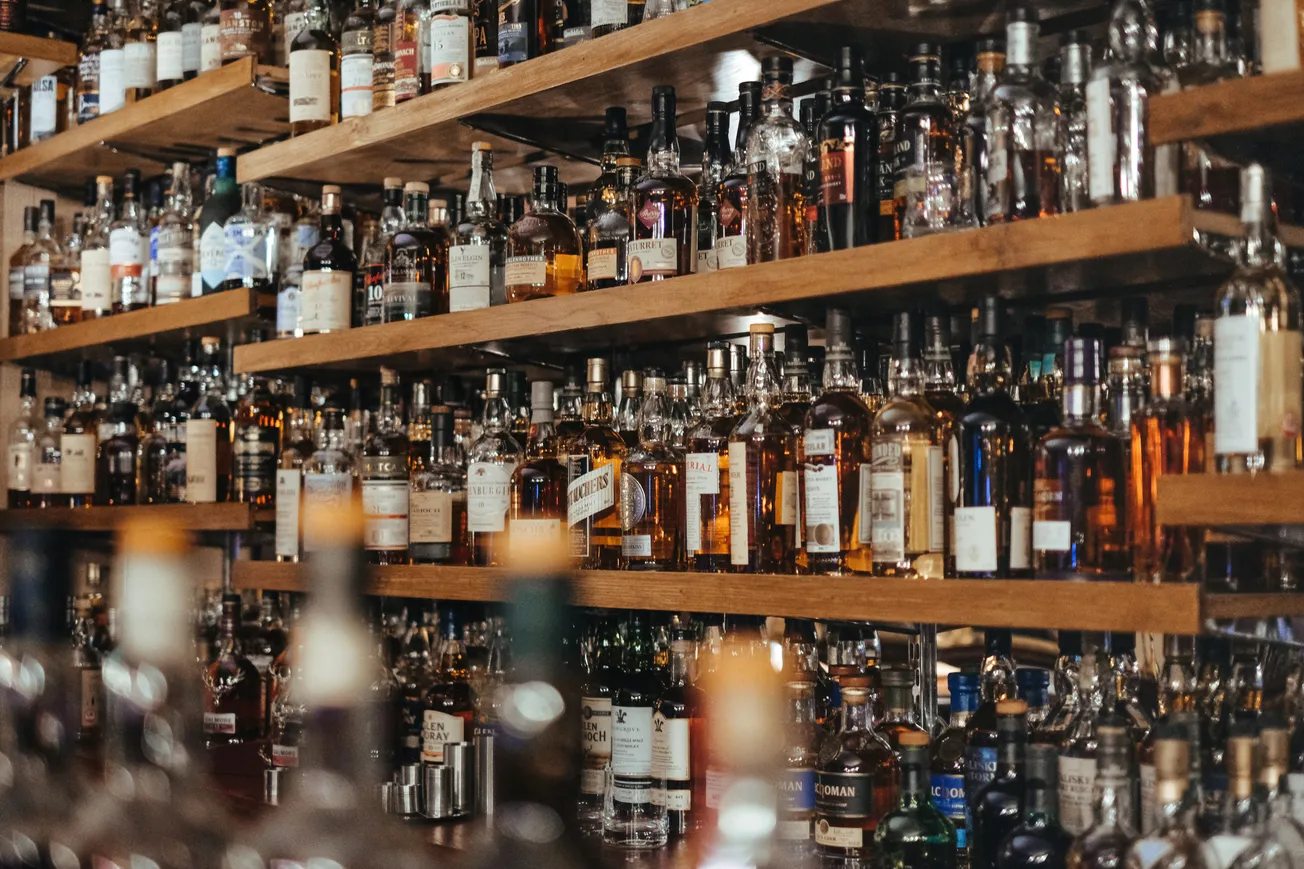
The alcohol industry is facing a period of stagnant volume growth, prompting brands and retailers to turn toward sophisticated digital tools to re-engage consumers. As traditional promotional methods lose efficacy in a fragmented media environment, digital rebates have emerged as a primary driver for conversion. By integrating these incentives into the shopper journey, beverage companies are successfully bridging the gap between digital discovery and physical purchase, a cornerstone of modern omnichannel retail strategy.
Data from recent industry reports suggests that while total alcohol consumption has fluctuated, the shift toward digital-first interactions remains constant. Consumers are increasingly utilizing smartphones to compare prices, read reviews, and seek out value-added incentives before or during their visit to the store. This behavioral shift has made digital rebate platforms essential for brands looking to maintain market share in a competitive landscape.
The Evolution of Consumer Incentives
Historically, the alcohol industry relied heavily on mail-in rebates or physical coupons, which often suffered from low redemption rates due to the friction involved in the process. The transition to digital rebates has removed these barriers, allowing shoppers to claim savings through simple receipt uploads or integrated loyalty apps. This immediacy appeals to the modern consumer’s desire for convenience and instant gratification.
According to insights discussed by RetailWire, these digital incentives do more than just lower the price point. They provide brands with invaluable first-party data regarding purchasing habits, brand loyalty, and regional trends. In an era where privacy regulations are tightening and third-party cookies are being phased out, this direct connection to the consumer is a strategic asset for marketing and supply chain planning.
Impact on Omnichannel Retail Dynamics
Bentonville-based suppliers and global beverage corporations alike are recognizing that the shopper journey is no longer linear. A consumer might see an advertisement on social media, research the product on a mobile app, and ultimately complete the purchase at a local brick-and-mortar retailer. Digital rebates act as the connective tissue in this journey, providing a measurable incentive that follows the shopper across various touchpoints.
By utilizing mobile-centric promotions, retailers can drive foot traffic to specific locations while simultaneously gathering data that informs future merchandising and inventory decisions. This level of coordination ensures that the right products are available at the right time, optimizing the supply chain and reducing overhead.
Addressing Slumping Sales with Targeted Technology
The current slump in alcohol sales is attributed to several factors, including shifting demographic preferences and inflationary pressures on household budgets. Digital rebates offer a flexible tool for brands to address these challenges without permanently devaluing their products through constant price cuts. Targeted promotions allow for surgical precision in reaching specific consumer segments, such as those interested in premium spirits or craft selections.
Furthermore, technology providers are developing more seamless integrations with retail point-of-sale systems. This allows for "load-to-card" offers that apply discounts automatically at checkout, further reducing friction for the shopper. As these technologies become more prevalent, the ability to execute complex, multi-channel campaigns will become a standard requirement for brands operating in the beverage space.
Strategic Implications for the Future
As the industry moves forward, the success of alcohol sales will likely depend on the ability of brands to master the digital-to-physical handoff. The use of AI and machine learning to personalize these rebates will likely be the next frontier, allowing for real-time adjustments based on local inventory levels or regional consumer behavior.
For professionals in the logistics and retail sectors, the rise of digital rebates signifies a broader shift toward data-driven commerce. Understanding how these incentives influence the flow of goods and consumer behavior is essential for maintaining a competitive edge. The ongoing digital transformation of the alcohol category serves as a case study for how traditional industries can adapt to the demands of the modern omnichannel environment.
More about marketing:
 Staff Report
 Staff Report
 Staff Report