The narrative of the "retail apocalypse" has often centered on the decline of the traditional department store. However, as we move through the first quarter of 2026, a more nuanced reality is emerging. While the sector is undeniably shrinking in physical footprint, it remains a multi-billion dollar powerhouse that is currently undergoing a massive structural reset.
For the Bentonville business community—a hub where vendor-retailer relationships are defined—the evolution of players like Macy’s, Nordstrom, and Kohl’s represents both a challenge and a significant opportunity for supply chain and merchandising innovation.
The Persistence of Billions in Sales
Despite high-profile store closures and the recent bankruptcy of luxury conglomerate Saks Global in early 2026, department stores still command a significant portion of U.S. retail spending. The issue is not a total lack of demand, but rather a historical mismatch between sprawling, mall-based footprints and the modern consumer's preference for efficiency.
According to recent analysis from Retail Dive, the industry is shifting from a growth-at-all-costs mindset to one of disciplined revitalization.
Macy’s, for instance, has entered 2026 under its "A Bold New Chapter" strategy, which involves closing 150 underperforming locations while doubling down on its high-performing Bloomingdale’s and Bluemercury banners. The company’s forecast for 2026 net sales remains substantial, projected between $21.4 billion and $21.7 billion. This scale ensures that department stores remain vital partners for thousands of brands that rely on these platforms for discovery, trial, and trust-building.
Omnichannel as the Survival Baseline
In 2026, the distinction between "online" and "offline" has largely evaporated for the consumer. Strategic leaders now view physical stores as multi-functional hubs: fulfillment centers for Buy Online, Pick Up In-Store (BOPIS), showrooms for brand storytelling, and service points for returns and alterations. Industry data indicates that 73% of retail shoppers engage across multiple channels, and those who use four or more touchpoints spend significantly more than single-channel shoppers.
For department stores to survive, they must function as an integrated system. This requires "harmonized commerce"—the synchronization of inventory visibility and pricing across all platforms. Success in this area is no longer a competitive advantage; it is a prerequisite for staying in business. Retailers that fail to provide seamless cross-channel interactions are seeing their market share siphoned off by off-price competitors and digital-native brands.
The Shift to Smaller, Smarter Formats
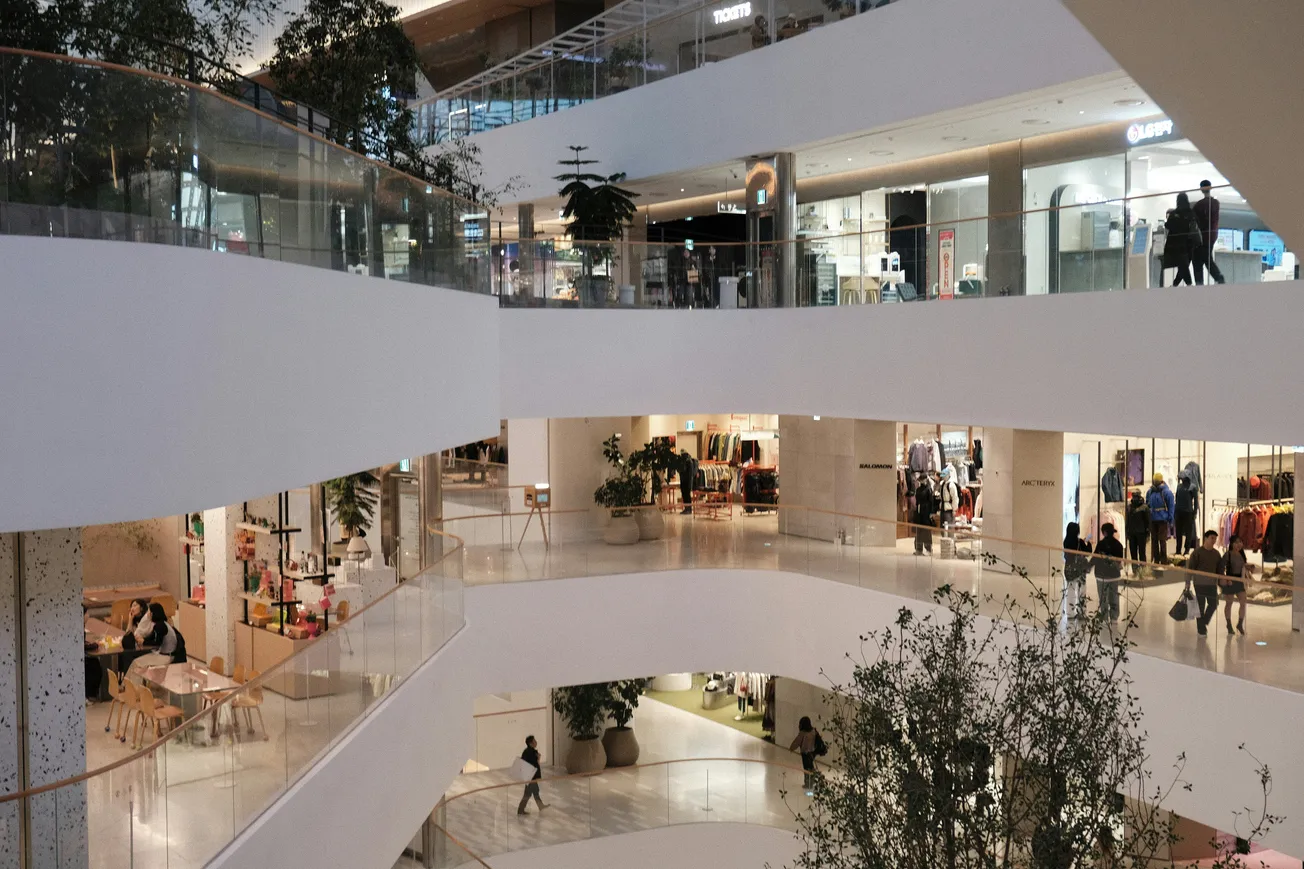
One of the most visible trends of 2026 is the migration away from the massive "anchor" store model in favor of smaller-format, neighborhood locations. These "smarter" stores, such as Market by Macy’s or Nordstrom Local, focus on curated assortments tailored to local demographics rather than trying to be everything to everyone. These formats reduce overhead, lower inventory risk, and place the brand closer to where the customer lives and works.
This transition has profound implications for merchandising and supply chain professionals. Smaller footprints require more frequent, smaller shipments and a hyper-localized approach to assortment planning. Vendors must be more agile than ever, utilizing real-time data to ensure the right product is in the right location at the right time.
Navigating Economic and Geopolitical Headwinds
The outlook for the remainder of 2026 is tempered by macroeconomic uncertainty. Supply chain leaders are closely watching trade policies and potential tariffs, which could pressure margins on imported apparel and home goods. Additionally, the "bifurcation" of the consumer remains a dominant theme: high-income earners continue to spend on luxury and beauty, while middle-income shoppers have become increasingly "choosy," gravitating toward value and promotional periods.
To combat these pressures, department stores are leaning into Artificial Intelligence (AI) to optimize everything from pricing dynamics to warehouse labor. By reinvesting AI-enabled productivity gains into the customer experience, legacy retailers hope to stabilize their comparable sales and return to sustainable growth.
Conclusion: A Competitive Future
The department store is not disappearing; it is being reimagined. For the ecosystem of agencies, experts, and suppliers in Bentonville, this evolution demands a shift in how we think about the "selling floor." It is no longer just about shelf space—it is about being part of a fluid, data-driven journey that meets the shopper wherever they are.
The retailers that will win in 2026 are those that view their physical assets not as liabilities, but as the most powerful touchpoint in a comprehensive omnichannel strategy.
More about brick-and-mortar:
 Staff Report
 Nathan Sellars
 Staff Report