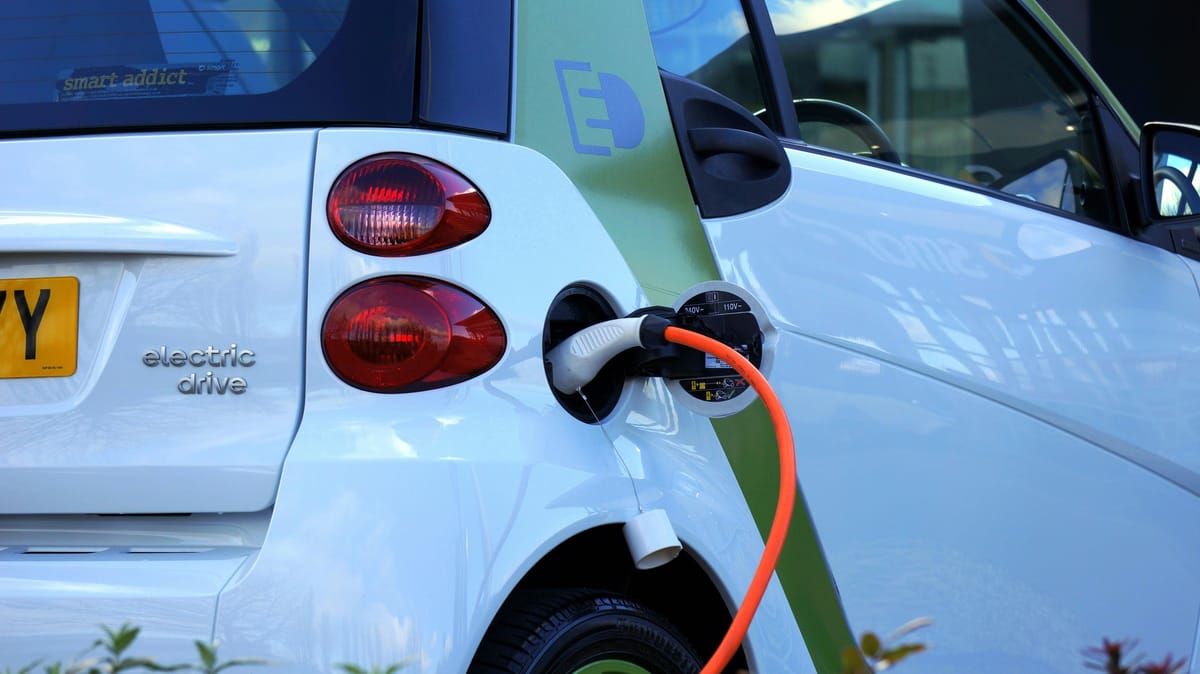
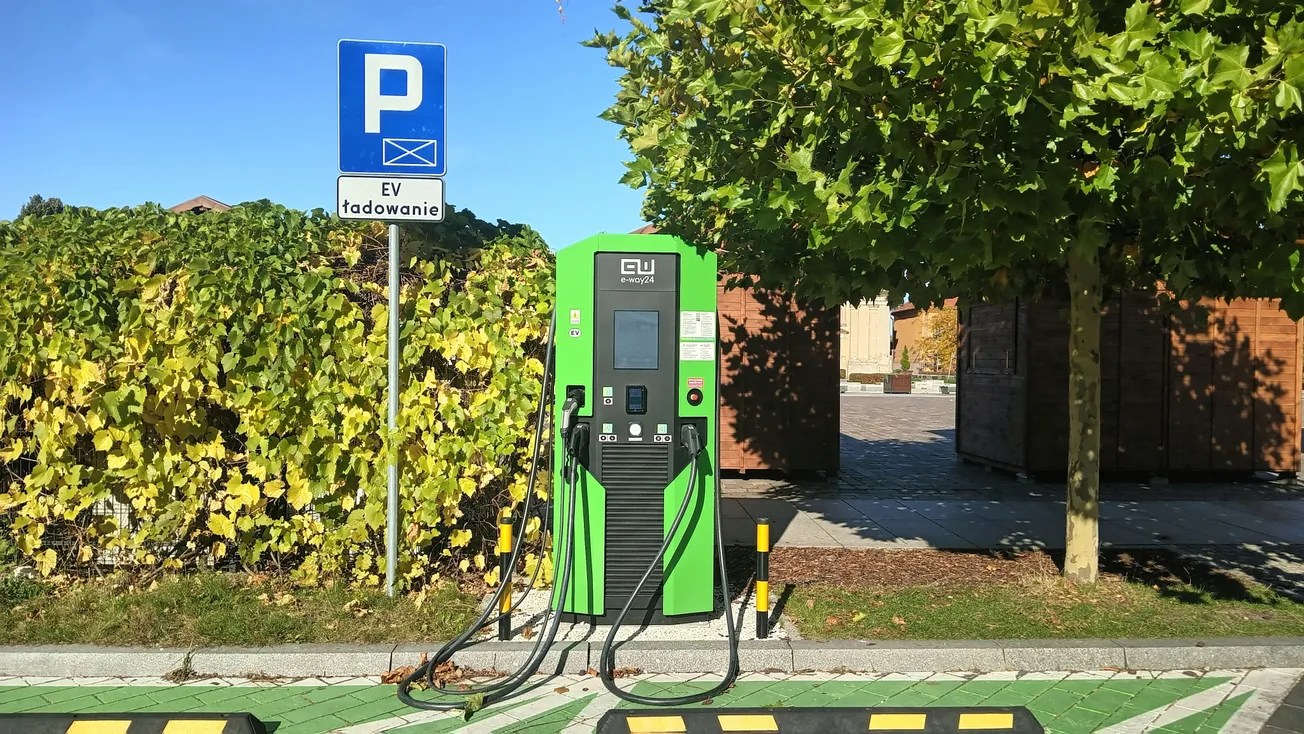
A widening technological chasm has emerged in the global automotive sector as China begins the large-scale rollout of five-minute electric vehicle (EV) charging. While U.S. infrastructure remains largely anchored in 350-kilowatt (kW) systems, Chinese manufacturers like BYD and CATL have moved into the megawatt era, debuting 1.5-megawatt (1.5MW) "Flash Charging" stations that can replenish 250 miles of range in roughly the time it takes to fill a gasoline tank.
According to recent reports from the Wall Street Journal, this breakthrough effectively eliminates "range anxiety," the primary psychological barrier to mass EV adoption. For the Bentonville-based retail and logistics community, this development represents a fundamental shift in the global energy supply chain, signaling a future where the "refueling" experience is fully integrated into the high-velocity omnichannel journey.
The Megawatt Breakthrough: 10% to 70% in 300 Seconds
The catalyst for this speed is BYD’s second-generation Blade Battery 2.0, paired with a 1,000V architecture. This system allows compatible vehicles to accept power at unprecedented rates without the thermal degradation typically associated with rapid charging. BYD’s "Flash Charging 2.0" stations are designed to deliver a 10% to 70% charge in just five minutes, and a nearly full 97% charge in under ten minutes.
To support this leap, China is aggressively scaling its physical footprint. As of mid-March 2026, over 4,500 flash-charging stations are operational across 279 cities, with a year-end target of 20,000 locations. Unlike U.S. efforts, which often struggle with grid bottlenecks, the Chinese model treats charging as a public utility, often plugging directly into high-voltage transmission lines and utilizing onsite battery storage to buffer the grid from sudden 1.5MW surges.
America’s Infrastructure Reboot
In contrast, the U.S. is currently in a state of recalibration. Following a multi-month pause in early 2025, the National Electric Vehicle Infrastructure (NEVI) program has been "rebooted" with updated federal guidance. The revised 2026 NEVI plans focus on slashing "red tape" and increasing state flexibility, allowing funds to be diverted from strict highway corridor spacing to rural roads and medium-to-heavy-duty (MDHD) freight hubs.
U.S. Transportation Secretary Sean P. Duffy recently unveiled new "Buy America" requirements, raising the domestic content mandate for federally funded chargers to 100%. While this move aims to strengthen the domestic supply chain and protect national security, it creates a temporary friction point as U.S. manufacturers race to reach the 1.5MW threshold currently dominated by their Chinese counterparts.
Swapping vs. Fast Charging: A Unified Ecosystem
The rise of ultra-fast charging has reignited the debate over battery swapping—a model championed by Nio. Despite the speed of BYD’s new chargers, Nio reported a record 175,976 battery swaps in a single day during the 2026 Lunar New Year, proving that swapping remains a vital "moat" for high-density urban environments.
However, the industry is moving toward a hybrid approach. Nio-backed infrastructure firms announced a landmark cooperation with BYD to deploy Flash Charging stations alongside existing swap networks. This "multi-lane" strategy acknowledges that different use cases—long-haul trucking, city commuting, and retail delivery—require different energy replenishment solutions.
Strategic Implications for U.S. Retailers
For omnichannel leaders, the disparity in charging speeds affects the "dwell time" of the consumer. A 45-minute charge encourages long-form shopping and dining, whereas a five-minute charge mirrors the traditional convenience store model.
As U.S. retailers like Walmart and Pilot Flying J continue their fast-charger expansions, they must decide whether to invest in current 350kW technology or wait for the megawatt-scale hardware necessary to compete with the global standard. The challenge for 2026 is clear: the U.S. must not only build more chargers but must significantly increase the power density of its grid to prevent becoming a "second-tier" EV market.
More about EV:
 Staff Report
 Staff Report
 Staff Report