

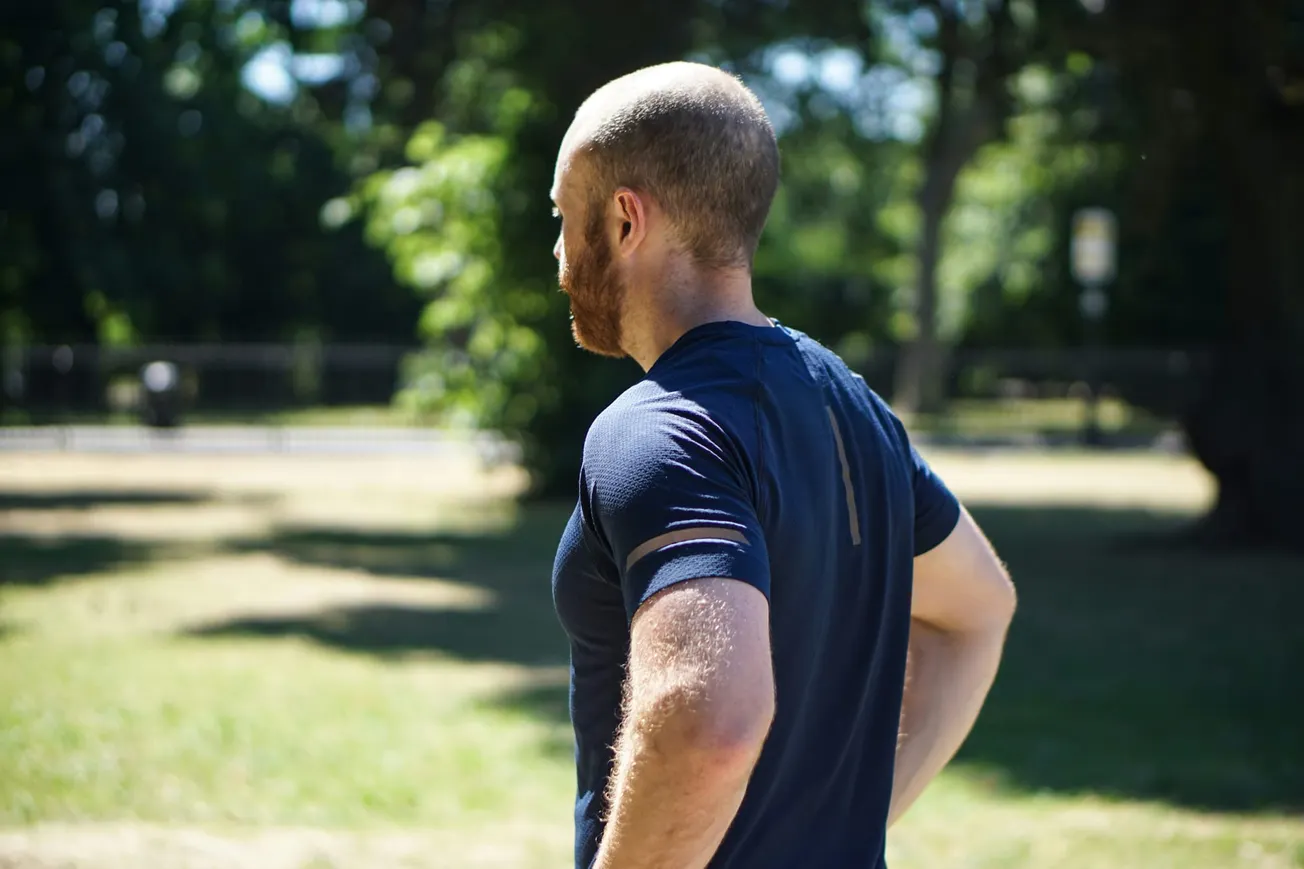
In the high-stakes world of omnichannel retail and global logistics, the demands placed on C-suite leaders often mirror those of elite professional athletes. As explored by the WSJ Leadership Institute, a new paradigm is emerging: the "Executive Athlete." This approach moves beyond basic wellness, utilizing sports science and biohacking to cultivate the resilience necessary to lead through market volatility and digital transformation.
For the Bentonville business community—home to thousands of high-performing professionals and global decision-makers—integrating athletic discipline into corporate strategy is becoming a differentiator for sustainable growth.
The Science of Sustained High Performance
The core philosophy of the executive athlete is that performance is not static; it is a dynamic state that fluctuates based on physical, emotional, and mental inputs. Just as a sprinter optimizes their gait and recovery cycles, an executive must optimize their "internal infrastructure" to maintain clarity during a supply chain crisis or a major acquisition.
Key to this optimization is the balance between energy expenditure and recovery. In the traditional corporate model, "grind culture" often leads to diminishing returns and burnout. Conversely, the athletic model prioritizes intentional rest. According to research highlighted by Dr. Brooke Elisabeth, nearly 62% of the variance in daily task performance can be explained by within-person variation—meaning how an individual manages their own biology on a given day is more predictive of success than their baseline IQ.
Biohacking the Boardroom
To achieve this "executive resilience," leaders are turning to science-based tools once reserved for Olympic training centers. These include:
- Functional Medicine: Treating stress and fatigue at the root cause by understanding individual genetics and lifestyle impacts.
- Heart Coherence: Using breathing techniques to calm the nervous system, allowing for better decision-making under high-pressure retail scenarios.
- Environmental Optimization: "Hacking" the workspace with red-light therapy, air filtration, and the removal of digital distractions to enhance cognitive focus.
In Bentonville, where the pace of retail innovation is relentless, these tools provide a competitive edge. Leaders who can manage their "electrical" systems—such as removing smartphones to eliminate cognitive load—are better equipped to handle the complexities of the modern shopper journey.
Resilience as a Strategic Asset
The WSJ Leadership Institute emphasizes that resilience is not just the ability to "bounce back," but the capacity to thrive amidst constant change. In the context of omnichannel retail, this means being able to pivot strategies rapidly without losing the trust of the community or the focus of the team.
This mindset shift is reflected in the success stories of modern icons like Tom Brady, who credits his longevity and performance to meticulous routines. CEOs are now adopting similar "meticulous routines" for sleep, diet, and mental conditioning. This is particularly relevant for the "Bentonville model," where the interconnection of vendors, agencies, and logistics experts requires a high level of collaborative endurance.
The Future of Leadership Development
As we move through 2026, the definition of a "strong leader" is expanding to include those who prioritize holistic health. Companies are increasingly investing in "executive resilience" programs as part of their leadership development pipelines. These programs recognize that a leader’s physical well-being is inextricably linked to the organization’s financial performance.
For the global retail center, the message is clear: the next generation of leadership will not be defined by who can work the most hours, but by who can maintain the highest level of performance through disciplined recovery and athletic-level preparation. By treating the body as a high-performance vehicle, executives can ensure they are ready to cross the finish line of the next retail revolution.