Global Markets React to U.S.-Iran Ceasefire
Financial hubs across Asia and the West experienced a massive "risk-on" rally this week following President Donald Trump's announcement of a two-week suspension of planned military strikes against Iran. The shift in corporate strategy from the White House came as a relief to investors who had been bracing for a significant escalation in the Middle East. According to reports from CNBC and AP News, the ceasefire hinges on the immediate and safe reopening of the Strait of Hormuz, a critical chokepoint for global energy and retail supply chains.
The market response was immediate and profound. Japan’s Nikkei 225 surged 5.4%, while South Korea’s Kospi led regional gains with a 6.9% jump. This volatility underscores the deep sensitivity of Asian economies to Middle Eastern energy supplies and the maritime stability required for consistent trade flow.
Impact on Energy and Transportation Costs
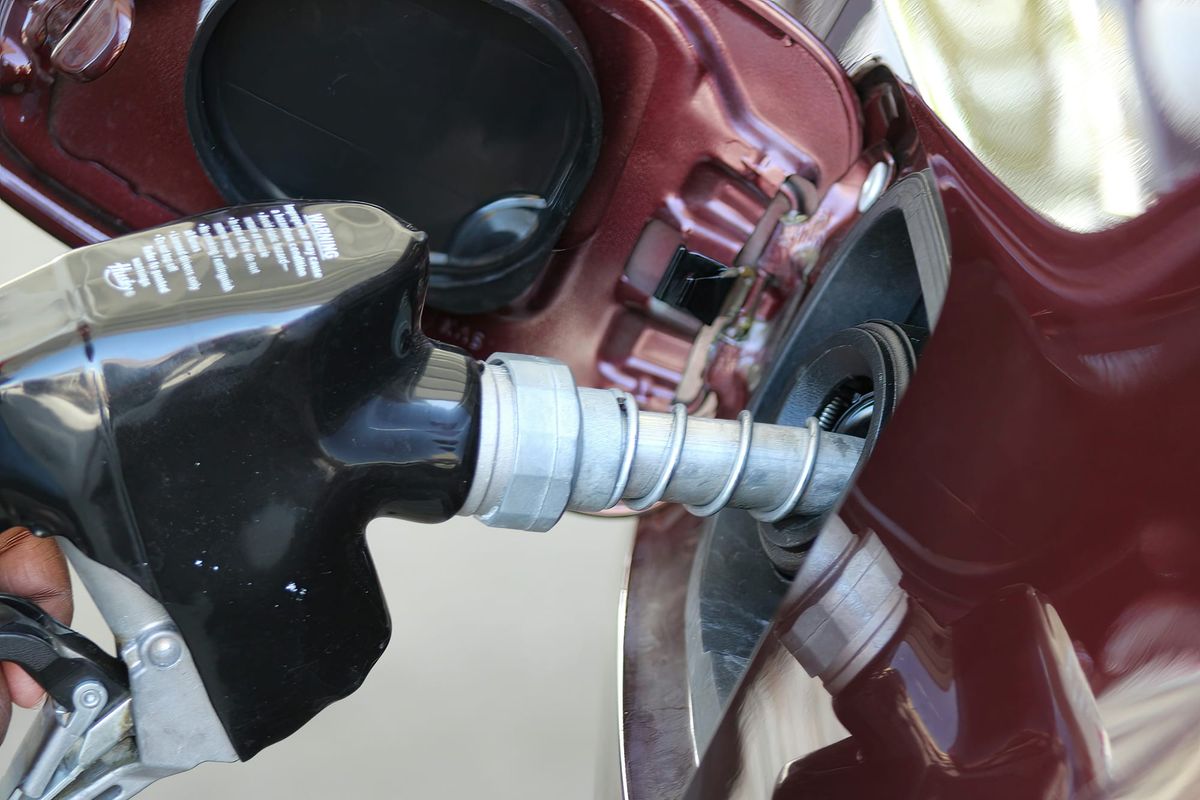
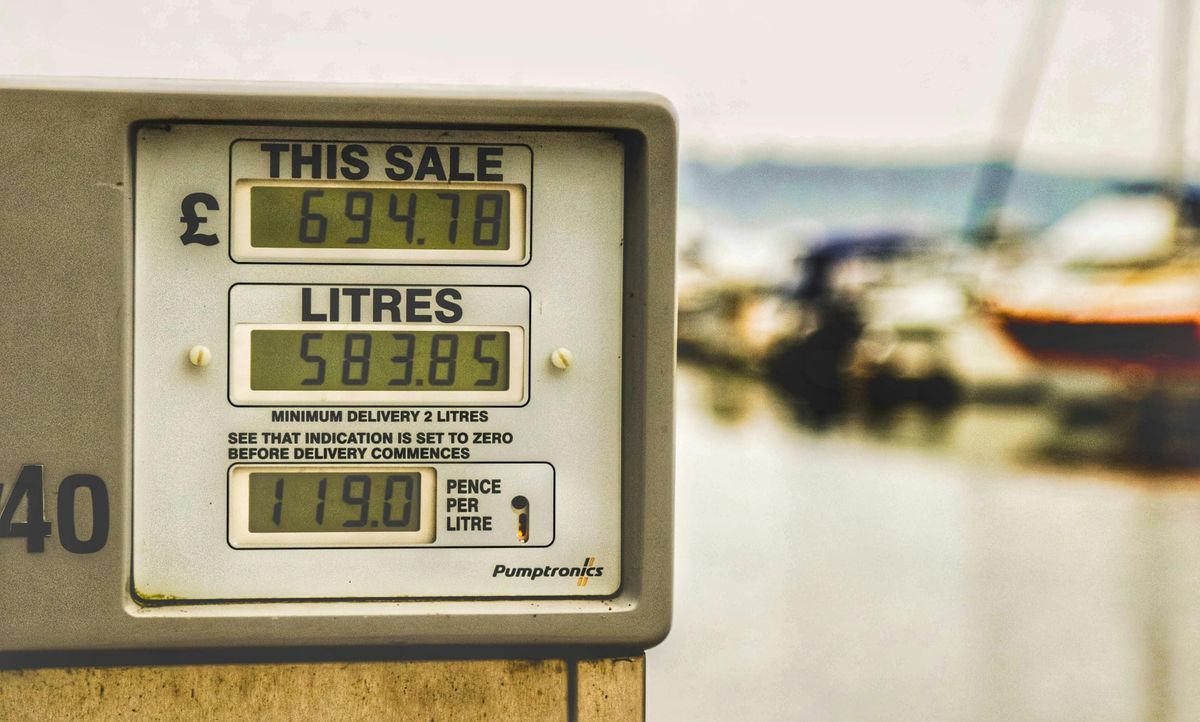
The most visible sign of easing tensions was the dramatic collapse in energy prices. Crude oil prices, which had recently breached $115 per barrel on fears of total regional war, plummeted by more than 15% following the ceasefire news. U.S. West Texas Intermediate (WTI) and Brent crude both moved back toward the $95 mark, providing a much-needed reprieve for global logistics and manufacturing sectors.
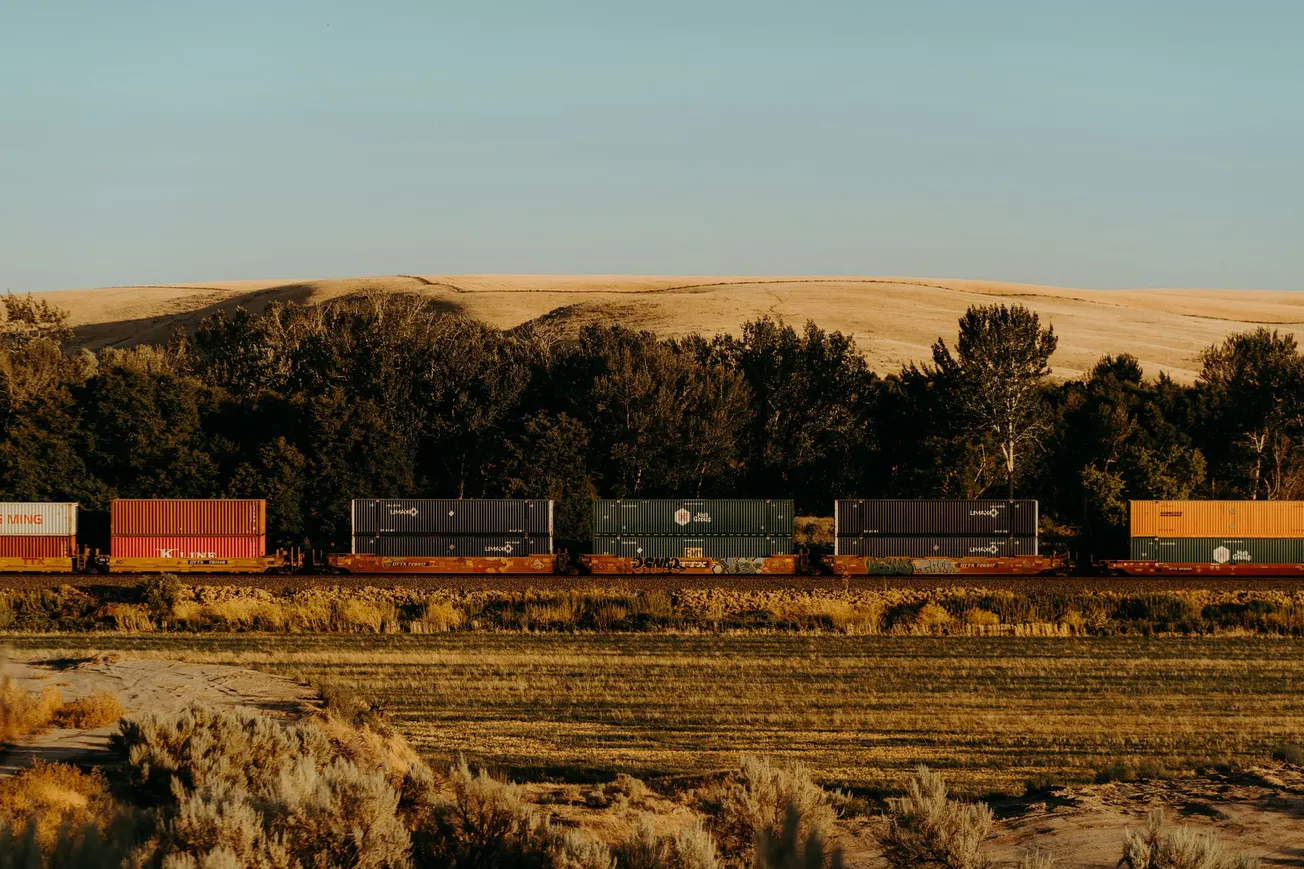
For the retail community in Bentonville and beyond, this drop in energy costs is a vital development. High fuel prices directly translate to increased surcharges in the supply chain, affecting everything from ocean freight to last-mile delivery. The reopening of the Strait of Hormuz is expected to clear a massive backlog of tankers and container ships, potentially stabilizing the Global Supply Chain Volatility Index, which recently hit a three-year high due to the conflict.
Strategic Negotiations and Supply Chain Resilience
President Trump’s decision to delay the deadline follows high-level diplomatic outreach and what he described as "ten proposals" received from Iran. While the next two weeks are designated for negotiations in Islamabad, Pakistan, the temporary opening of shipping lanes allows retailers to resume more predictable inventory planning.
However, industry experts remain cautious. Supply chain leaders have spent the last month rerouting vessels around the Cape of Good Hope, adding up to 14 days to transit times and increasing carbon emissions. Even with a ceasefire, the logistical "bullwhip effect" means that global ports may face congestion as hundreds of repositioned ships attempt to return to normal schedules. Corporate leaders are being advised to maintain "time buffers" and prioritize high-demand inventory as the situation remains fluid.
The Long-Term Outlook for Retail and Logistics
The recent volatility serves as a stark reminder of the interconnection between geopolitical stability and omnichannel retail success. When shipping lanes are threatened, the ripple effect reaches from the oil fields of the Persian Gulf to the shelves of retail giants in Northwest Arkansas.
As the April 2026 deadline for a permanent agreement approaches, stakeholders are closely monitoring the "TACO" (Trump Always Chickens Out) sentiment among some investors, who suggest that the administration's preference for negotiation over direct kinetic action may continue to drive market swings. For now, the global business community is capitalizing on the window of stability, prioritizing the movement of goods and the reduction of inflationary pressures that have haunted the first half of the year.
More about the oil industry:
 Staff Report
 Staff Report
 Staff Report