

In the latest episode of our podcast, we had the pleasure of hosting Daniel Sokolovsky, the visionary CEO and co-founder of Warp, a company that's making waves in the logistics industry. The episode provided an in-depth exploration of the complexities of supply chains and how innovative approaches are revolutionizing the way goods are moved across the country.
Daniel, with his remarkable blend of industry knowledge and charisma, took us on a journey behind the scenes of the logistics landscape. He shared Warp's strategic focus on optimizing the 'middle mile'—a critical but often overlooked segment of the supply chain that involves transporting goods from manufacturing sites or domestic origins to distribution points. By leveraging existing capacities and technology, Warp is not just keeping pace but setting the pace in the logistics game.
A key innovation discussed was the concept of digital twins. This cutting-edge technology creates virtual replicas of physical assets, processes, or systems that can be used for various purposes, including monitoring, simulation, and control. The digital twin technology is indicative of the digital transformation taking place in the industry and highlights Warp's commitment to staying at the forefront of logistics innovation.
Furthermore, the conversation shed light on the subtleties of Less Than Truckload (LTL) shipping. Daniel explained how Warp's strategies are outperforming traditional systems by enhancing efficiency and quality. Through a blend of technology and expertise, Warp is streamlining the movement of goods, providing tangible benefits such as cost savings and improved delivery processes for businesses.
In addition to Warp's groundbreaking strategies, the episode touched on the importance of collaboration and the role of startups in fostering a new wave of logistics innovation. Companies like Plug and Play are leading the charge by facilitating partnerships that tackle the real pain points in supply chain management.
One of the most engaging parts of the podcast was a case study illustrating Warp's impact on a major retailer's supply chain, highlighting reduced transit times and enhanced inventory visibility. These real-world results speak volumes about Warp's ability to provide high-impact solutions that resonate with industry needs.
To sum up, the episode not only showcased the expertise and innovative spirit of Daniel Sokolovsky but also offered listeners a rare peek into the future of freight logistics. With Warp at the helm, it's clear that the logistics industry is on the cusp of a transformation, driven by ingenuity, technology, and an unwavering focus on efficiency.
As we wrapped up the discussion, it was evident that Warp is not just another logistics company; it's a beacon of innovation in a traditional industry, poised to redefine how goods are transported in the digital age. Whether you're a logistics professional or simply curious about the journey of products from manufacturing to the final consumer, this episode is a must-listen, offering a fresh perspective on the arteries of commerce that fuel our everyday lives.
Ep. 75 - Revolutionizing Logistics One SKU at a Time Featuring Daniel Sokolovsky
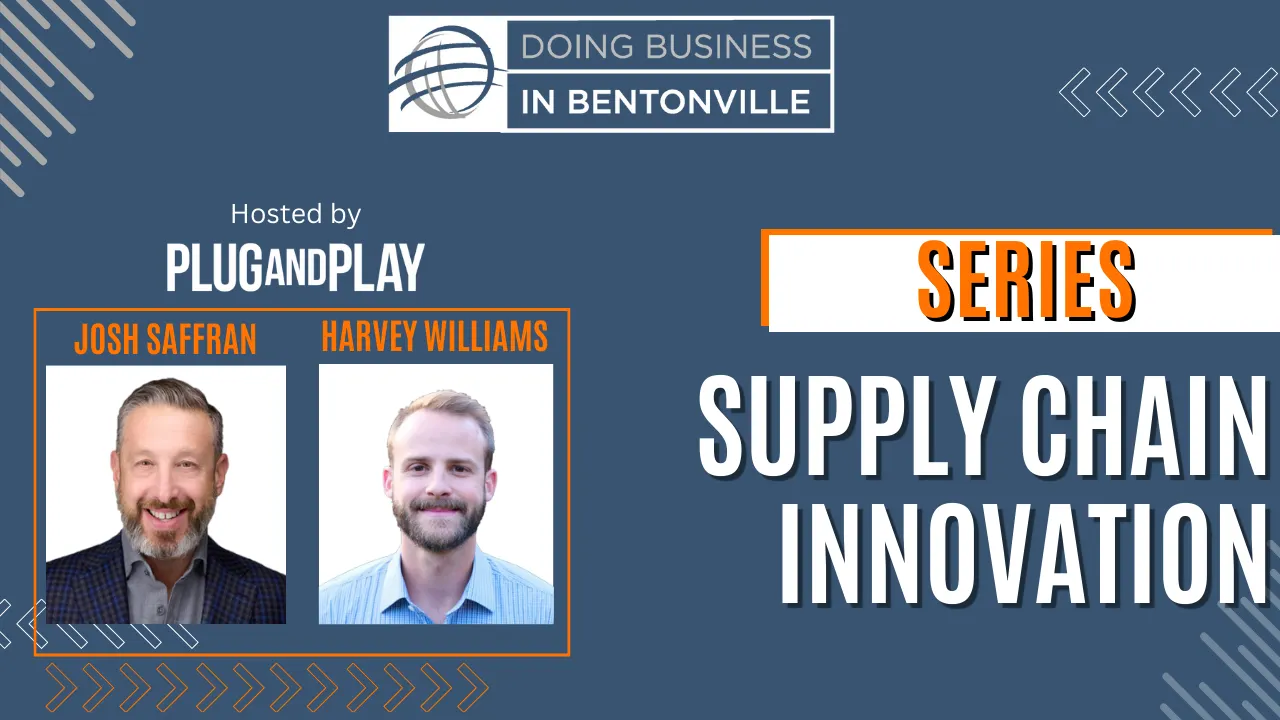
A Plug and Play series episode with Josh Saffran and Harvey Williams.
Related
Ep. 118 - AI That Solves Supply Chain Chaos
Discover how BackOps is using agentic AI to solve warehouse issues in real time. From missing pallets to damaged goods, their system streamlines communication, accelerates resolutions, and boosts supply chain efficiency with human-like accuracy.
Ep. 105 - Revolutionizing Brand Engagement Through White-Label Social Media
Brands can host discovery content in-house
Ep. 101 - From CIA to Supply Chain: Ryan Joyce's Mission to Secure America's Highways
AI enables passive tracking of truck movements
Ep. 92 - AI-Powered Learning: The Last Mile of Workforce Training
Former college athlete now counts team, manufacturers among clients
Latest

Ep. 18 - Applied vs Generative: Structuring True AI Workflows
Data science veteran Ravi Sharma explains how agentic workflows are replacing stagnant retail dashboards, breaking down why causal models drive real analysis and how CPG leaders can automate reporting without exposing proprietary data.

How Retail Leaders Can Move Beyond Fragmented Software Investments
Scott Benedict outlines how retail leaders transition from fragmented software to unified enterprise data, driving autonomous execution, clean product attributes, and scalable omnichannel supply chains.

Ep. 6 - Ground-Level Operations: Bringing Context to the Board
Marybeth Hayes shares how she moved from running large retail operations at Walmart to the boardroom, breaking down how former operators spot micro failures, advise without micromanaging, and navigate succession planning.
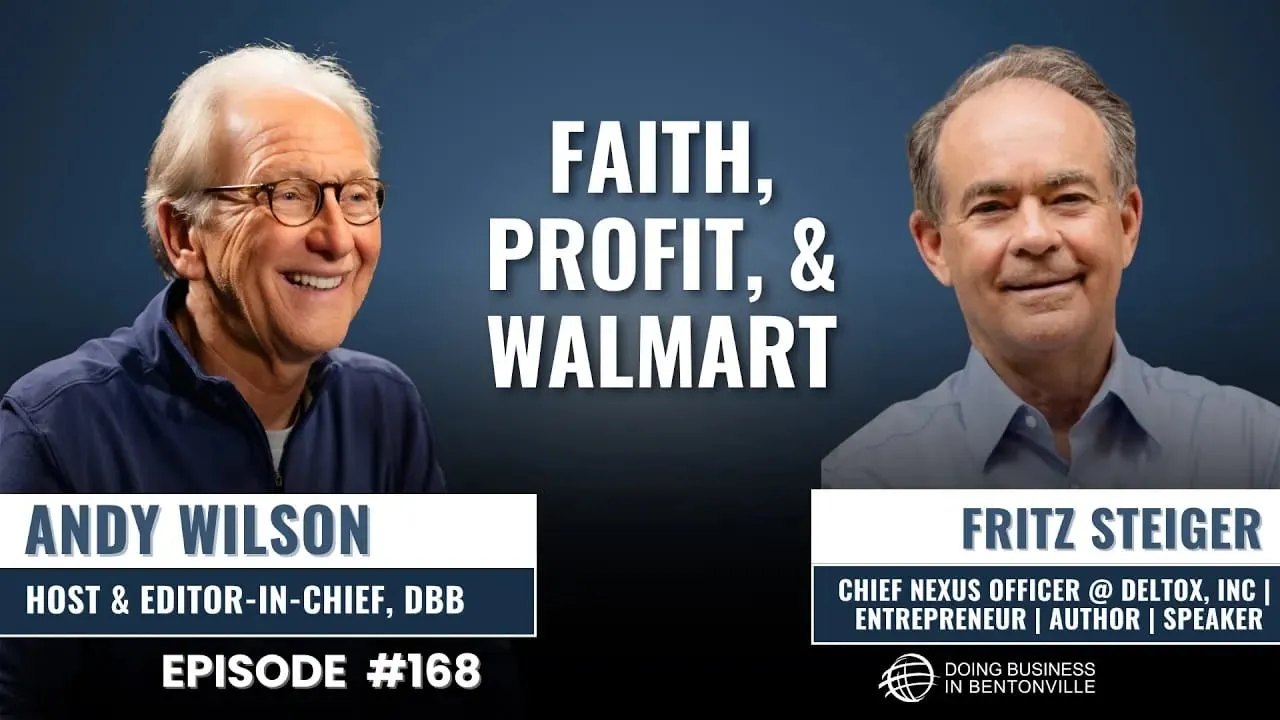
Ep. 168 - Faith at Work: Navigating Corporate Pressures
Fritz Steiger, former Walmart Foundation executive director, shares how to balance personal conviction with corporate pressure, from Sam Walton’s early philanthropy to the tactical fight behind the school choice movement.