

Star ratings get all the attention, but the metric that quietly decides who wins on the digital shelf is review velocity. This week on Scott's Thoughts we dig into why the number of new reviews you generate each month can matter as much as the average rating itself, especially when ecommerce search and retail marketplace algorithms reward momentum, relevance, and trust.
We talk through what reviews actually do behind the scenes: they influence conversion rate, yes, but they also shape discoverability and organic ranking on retailer sites. When review volume ramps quickly, particularly early in a product’s lifecycle, it can help a product hold stronger page-one positions, earn more clicks, and reinforce a compounding sales flywheel. We also unpack the practical reality of credibility thresholds, including why four stars and above can be the difference between being considered or being filtered out.
Then we look forward to AI commerce. Retailers are increasingly using generative AI to summarize reviews and synthesize shopper sentiment in real time. That means reviews are no longer just a score, they become content that influences how your product is described, compared, and understood by answer engines and shoppers alike.
If you lead a brand, category, or ecommerce growth team, you’ll leave with a clear challenge: are you simply tracking star rating over time, or actively managing review velocity as a core growth strategy tied to retail media efficiency? Subscribe for more, share this with a teammate, and leave a review with your take on review velocity.
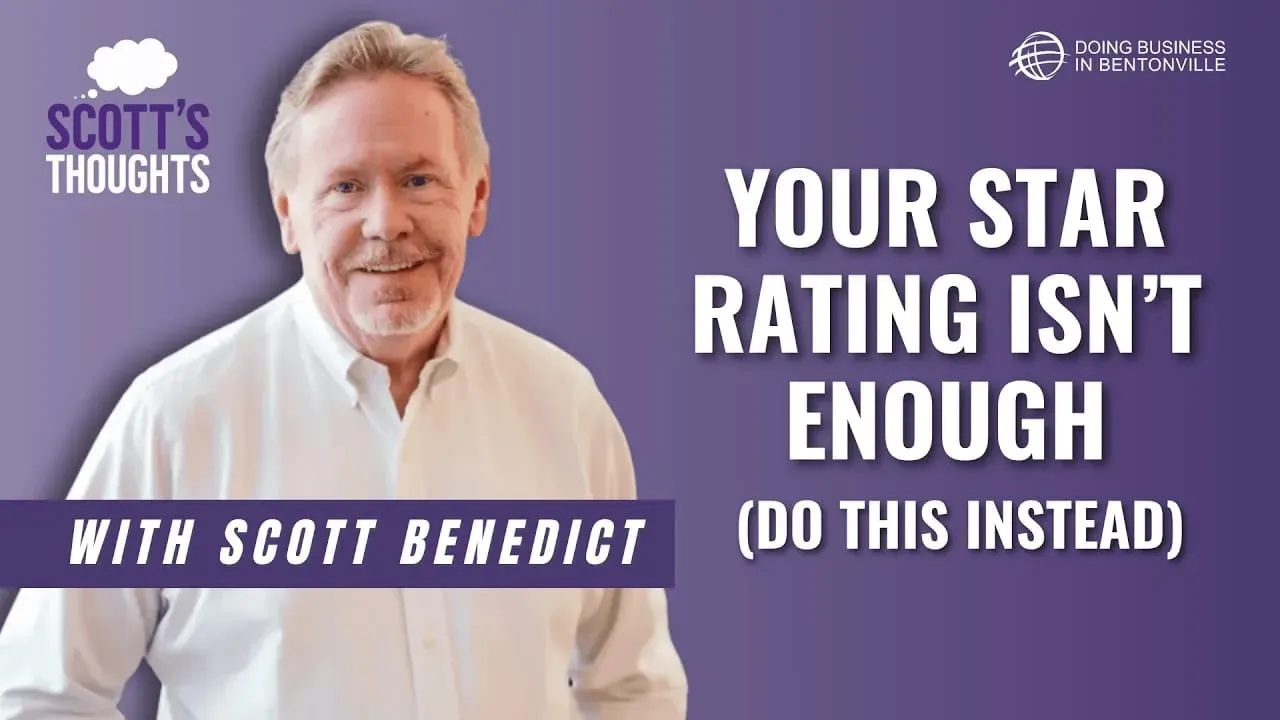
Review Velocity: The Hidden Algorithmic Fuel
Understand why review velocity is the secret metric for winning on the digital shelf. Learn how review volume drives organic ranking and discoverability while powering the compounding sales flywheel. Discover how AI uses reviews to summarize sentiment and influence shopper decisions.
Related
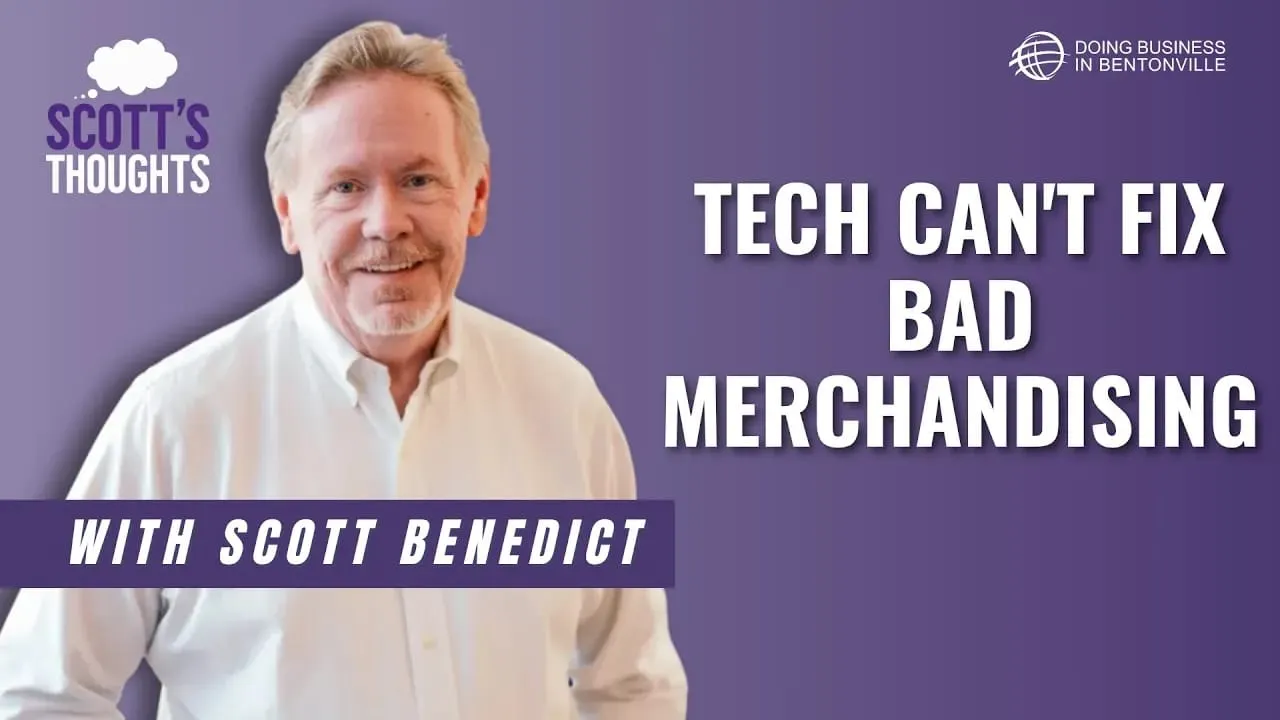
Target’s Comeback Is a Reminder That Merchandising Still Matters
Scott Benedict breaks down how Target's return to core merchandising and faster assortment refresh cycles is driving traffic, showing why sourcing emerging brands often beats big marketing when demand stalls.

Retail Growth Is Hiding a Unit Problem
Scott Benedict breaks down why rising retail revenue is masking a hidden unit volume crisis, revealing how price hikes, private label shifts, and shrinking baskets distort what merchants think is actual demand.

Retail Media Isn’t Advertising Anymore
Scott Benedict explores why retail media is becoming commerce's operating system, revealing how AI powered orchestration and unified merchandising strategy determine whether high intent clicks actually convert into sales.
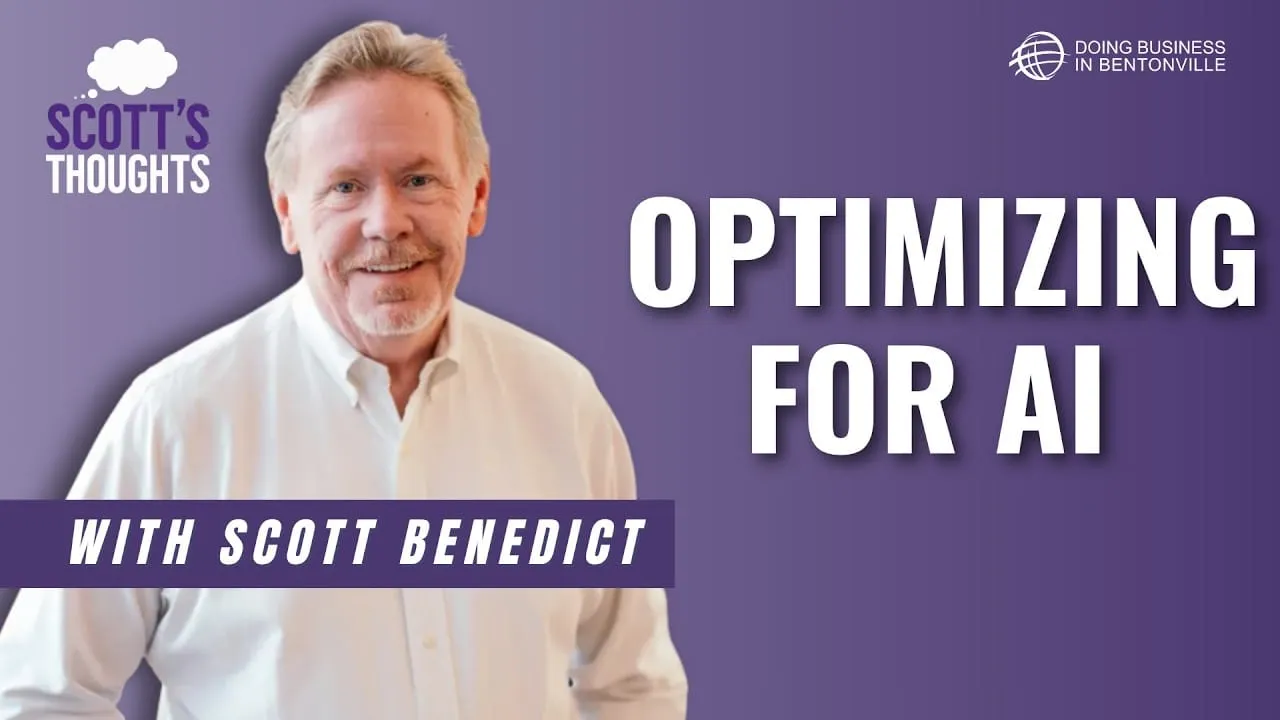
The New Retail Battleground Isn’t the Click – It’s the Recommendation
Scott Benedict explains how AI is compressing the traditional purchase funnel into single conversational searches, and why brands must build clean, structured product data to get recommended by AI shopping assistants.
Latest
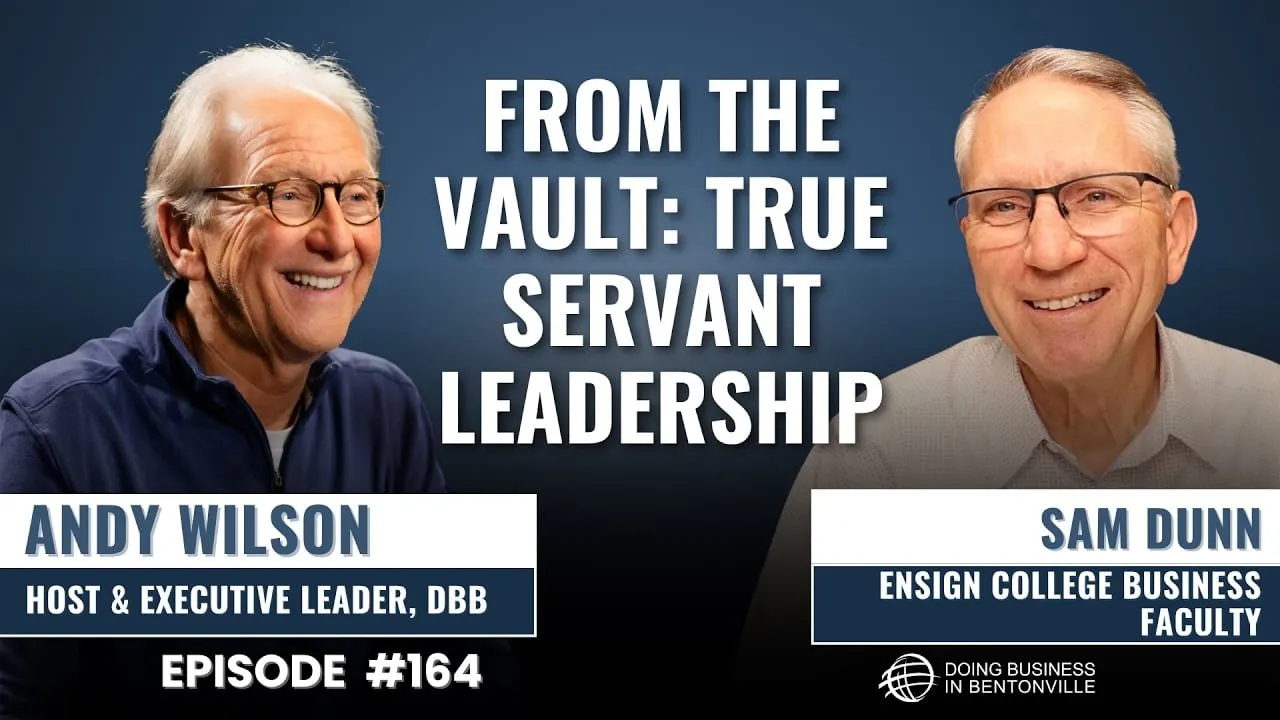
Ep. 164 - From the Vault: What Executives Learn from Sam Walton
Former Walmart SVP Sam Dunn shares operational lessons from working under Sam and Rob Walton, breaking down the costly Hypermart rollout and how leadership stabilized profits after a shattered 99 quarter growth streak.
Target’s Comeback Is a Reminder That Merchandising Still Matters
Scott Benedict breaks down how Target's return to core merchandising and faster assortment refresh cycles is driving traffic, showing why sourcing emerging brands often beats big marketing when demand stalls.
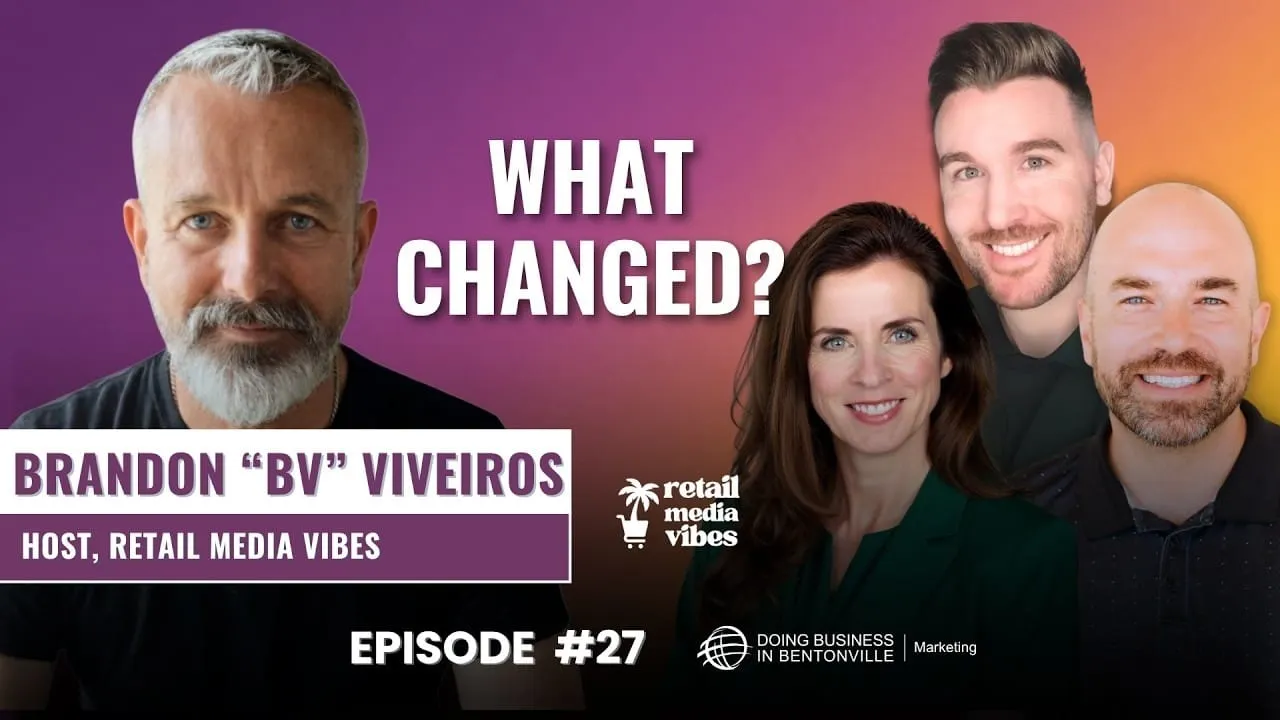
Ep. 27 - Retail Media Vibes: One Year Later
Brad Godwin, Jessica Hendrix, and Tom Breeden mark one year by breaking down artificial scarcity, AI's role in shopping, and how leaders can retain top talent while deploying generative tools without losing the human touch.

Ep. 6 - Warehouse Wars: Costco, BJs, and Sam's Club
Retail veteran Walter Holbrook breaks down Q2 earnings, revealing how out of stock issues cost the industry $1.4 trillion annually and why disciplined floor execution, not remodels or tech gimmicks, actually drives sales.