The Strategic Logic Behind Amazon’s Potential June Prime Day Shift
Amazon is reportedly preparing for one of the most significant calendar shakeups in the history of its Prime membership program. According to multiple industry reports, the e-commerce giant is weighing a move to transition its flagship "Prime Day" event from its traditional mid-July slot to late June for 2026. While Amazon has not officially confirmed the dates, the potential shift is already sending ripples through the global retail and supply chain sectors.
The primary driver for this timing adjustment appears to be the aggressive front-loading of the back-to-school (BTS) shopping season. By moving the event into June, Amazon can capture discretionary spending before families depart for July vacations and before competitors like Walmart and Target launch their primary mid-summer promotions. This "first-mover" advantage is critical in an era where consumer loyalty is increasingly tied to the first high-value deal they encounter.
Financial and Operational Implications
A June Prime Day would have a profound impact on Amazon’s financial reporting. By moving the multi-billion dollar event into the final weeks of June, the revenue surge would fall within the second fiscal quarter (Q2) rather than the third (Q3). For corporate strategy leaders and investors, this move is seen as a way to bolster Q2 earnings, which often face difficult year-over-year comparisons against the previous year’s performance.
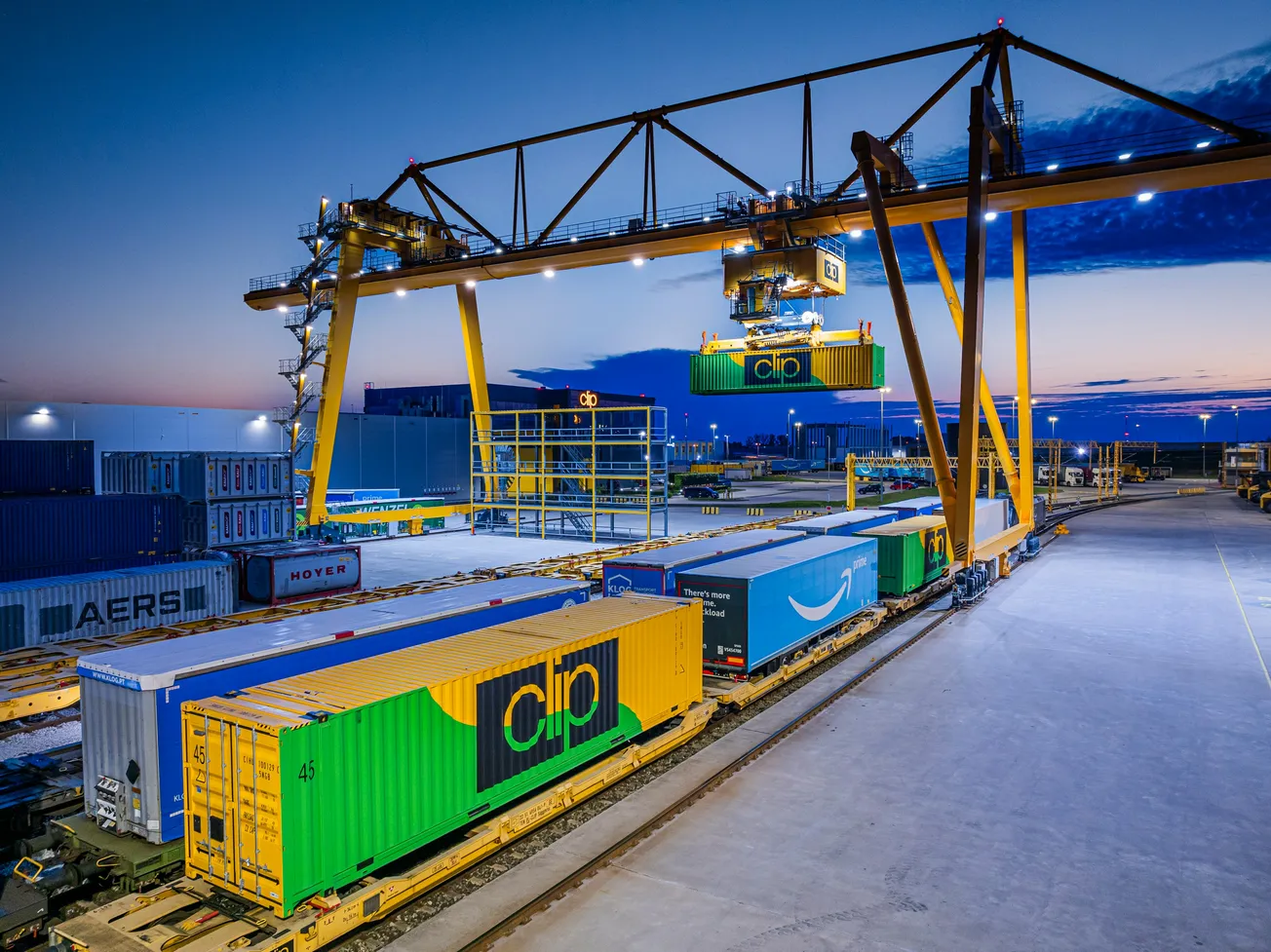
From a supply chain perspective, a June event requires earlier inventory locks and accelerated logistics planning. Vendors operating in the Bentonville retail hub must adjust their production and fulfillment cycles to ensure adequate stock levels by early June. For third-party sellers, who now account for a significant portion of Prime Day sales, this reduced lead time demands high-precision forecasting and robust inventory management to avoid "out-of-stock" penalties during the peak traffic window.
Competitive Response in the Omnichannel Landscape
The timing of Prime Day is a "tentpole" event that defines the summer retail landscape. Retailers such as Walmart and Target have historically launched concurrent events, such as Walmart Deals and Target Circle Week, to capitalize on the increased digital foot traffic. A move to June by Amazon forces these competitors to decide between accelerating their own summer calendars or allowing Amazon to dominate the early-summer wallet share.
Industry experts noted in the RetailWire BrainTrust that this shift may be a reaction to the "promotional creep" seen across the industry. With retailers constantly looking for ways to create urgency, moving the "Black Friday in July" concept into June effectively extends the high-volume selling season. This creates a more prolonged period of heavy discounting that omnichannel marketers must navigate with strategic precision to maintain brand value while meeting sales targets.
The Role of AI in Modern Sales Events
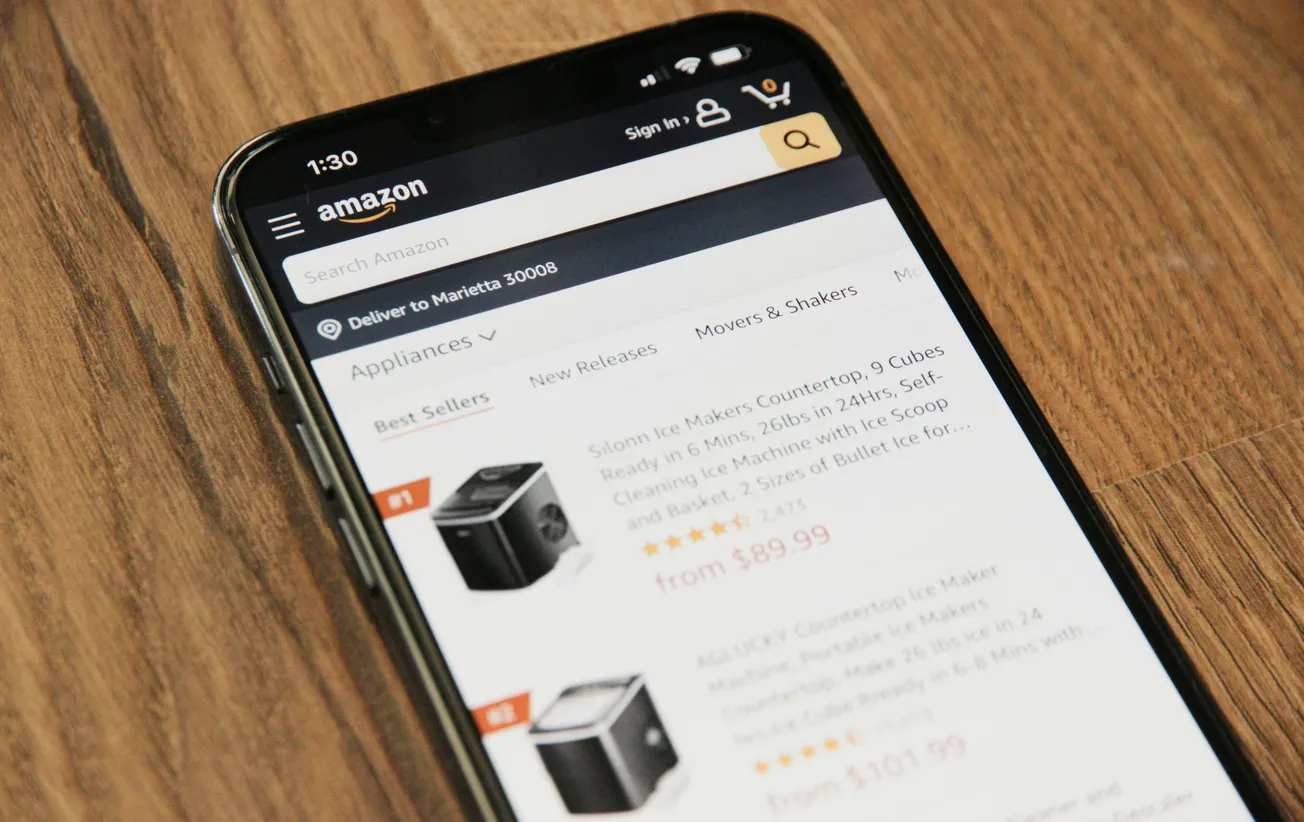
As Amazon prepares for its 2026 promotional calendar, the role of artificial intelligence is becoming central to the shopper journey. With the expansion of AI-driven shopping assistants like Rufus, Amazon can leverage predictive analytics to push personalized deals to Prime members well before the event begins. For merchandising experts, this means that the "event" is no longer just a 48-hour window but a weeks-long cycle of discovery, engagement, and conversion fueled by data-rich insights.
For stakeholders in Northwest Arkansas and global industry leaders, the potential June shift serves as a reminder that agility is the most valuable currency in modern retail. Whether the event officially lands in June or stays in July, the preparation remains the same: a focus on supply chain resilience, strategic marketing coordination, and a deep understanding of the evolving consumer behavior that drives these massive retail shifts.
More about Amazon:
 Staff Report
 Staff Report
 Staff Report