

Retail rarely rewards the loudest player for long. It rewards the one who shows up, delivers value, and earns trust on every visit. We take you inside the operating logic that makes Costco a standout: crystal-clear focus on the member, disciplined SKU curation, hard caps on margins, and a supplier strategy built on respect and predictability. After years of competing directly across the aisle, we separate myth from method and explain why the model looks simple but is incredibly hard to copy.
We unpack how Costco optimizes for membership loyalty over decades rather than chasing short-term profit spikes. That choice reshapes everything, from the way buyers say no to distracting SKUs, to how negotiations create long-term volume moves instead of one-off wins. We also explore why trust is the real moat in retail: when members believe the curation, when suppliers count on fair terms, and when investors understand the system, performance compounds. In a market where consumers are hyper-focused on value and loyalty is fragile, this approach proves that focus beats fragmentation.
The conversation closes with transferable lessons for any retailer, not just warehouse clubs. Simplicity scales when fundamentals are strong, and you can’t innovate your way out of weak execution; you execute your way into permission to innovate. Whether you run grocery, apparel, or electronics, the toolkit is the same: define the customer sharply, codify the economic model, and reward consistency over quarterly theatrics. If this perspective helps sharpen your own playbook, share it with a friend, hit follow, and leave a quick review so more operators can find it.
What Retailers Can Learn from Competing with Costco
What makes Costco a retail powerhouse? We break down its membership model, disciplined SKU strategy, capped margins, and supplier partnerships that build long term loyalty and trust. Discover why focus, value, and execution drive sustainable retail growth.
Related
From SEO to AEO: Is your PDP Machine Readable?
Your next shopper may not be a person but an AI agent. Learn why Answer Engine Optimization and structured data are the new essentials for retail search. Discover how to treat product detail pages like infrastructure so generative AI can trust and recommend your brand to the modern consumer.

Your PDP Isn't Creative - It's Predictive
Stop treating your product detail page like a mini brand campaign and start engineering it for performance. Learn how image completeness and keyword precision drive organic ranking plus conversion. Discover why PDP structure is the ultimate signal for AI search and retail media efficiency.

Review Velocity: The Hidden Algorithmic Fuel
Understand why review velocity is the secret metric for winning on the digital shelf. Learn how review volume drives organic ranking and discoverability while powering the compounding sales flywheel. Discover how AI uses reviews to summarize sentiment and influence shopper decisions.

44% of your Retail Media Budget is Probably Wasted
Stop wasting ad spend on unoptimized product pages. Learn why 44 percent of paid traffic lands on weak PDPs and how a three-legged stool of operations, content, and ads can boost ROAS by 29 percent. Audit your digital shelf and align teams to turn retail media into a true growth multiplier.
Latest
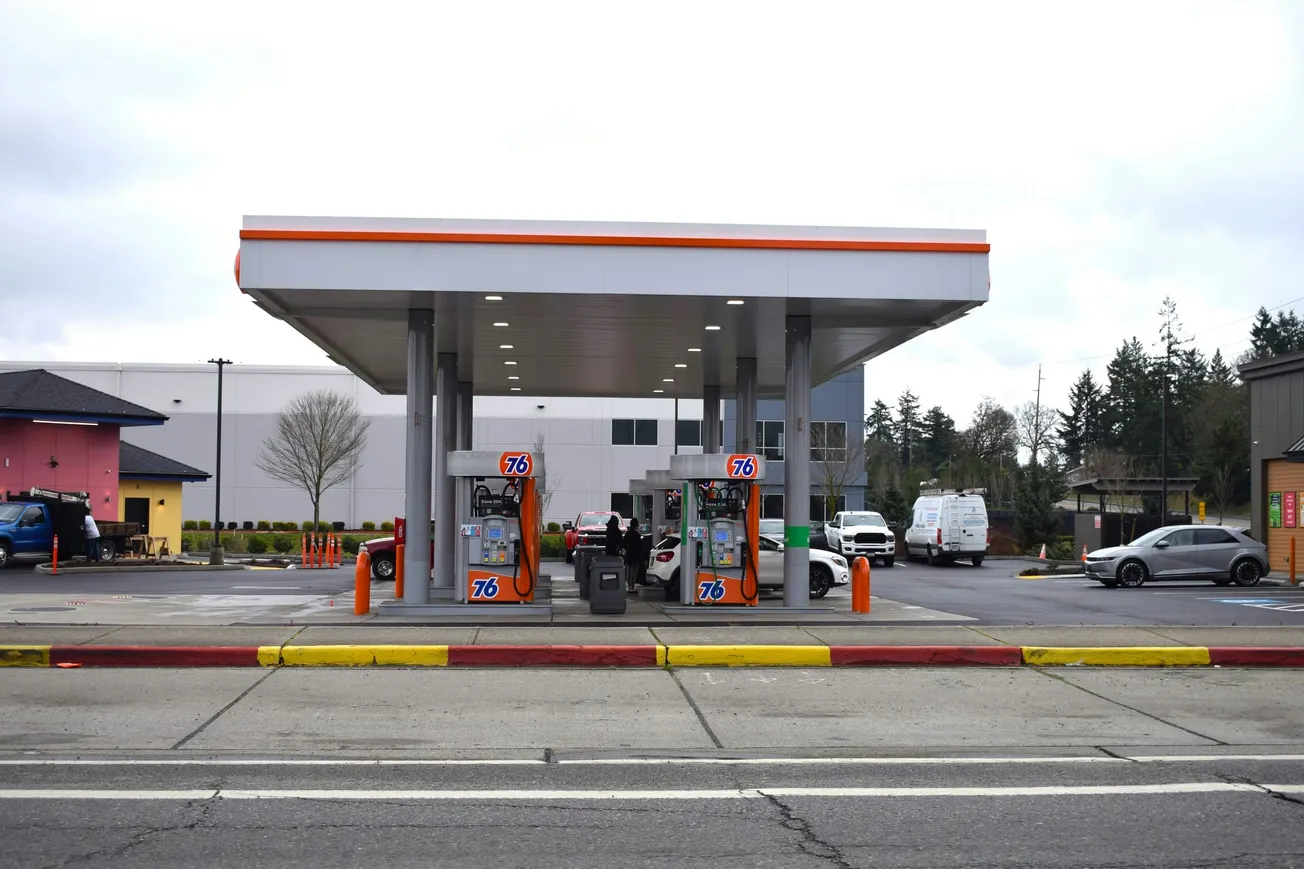
Higher Gas Prices to Cost Households Extra $740 This Year
Rising fuel costs are projected to impact household budgets by an average of $740 in 2026, forcing a shift in consumer discretionary spending.

Product Discovery Becomes More Complex in Fragmented Omnichannel Landscape
Retailers must navigate a fragmented shopper journey as social commerce, AI, and physical stores redefine how consumers find and evaluate products in 2026.

Non-Wage Costs Drive Sharp Rise in 2026 Business Expenses
A New York Fed report reveals that soaring health insurance and utility costs are eclipsing wage growth as the primary drivers of rising business expenses.

AI Becomes Mainstream Tool as Shoppers Embrace Agentic Commerce
Retailers in Bentonville and beyond are witnessing a shift as a majority of consumers now use AI for product discovery and price comparisons.