
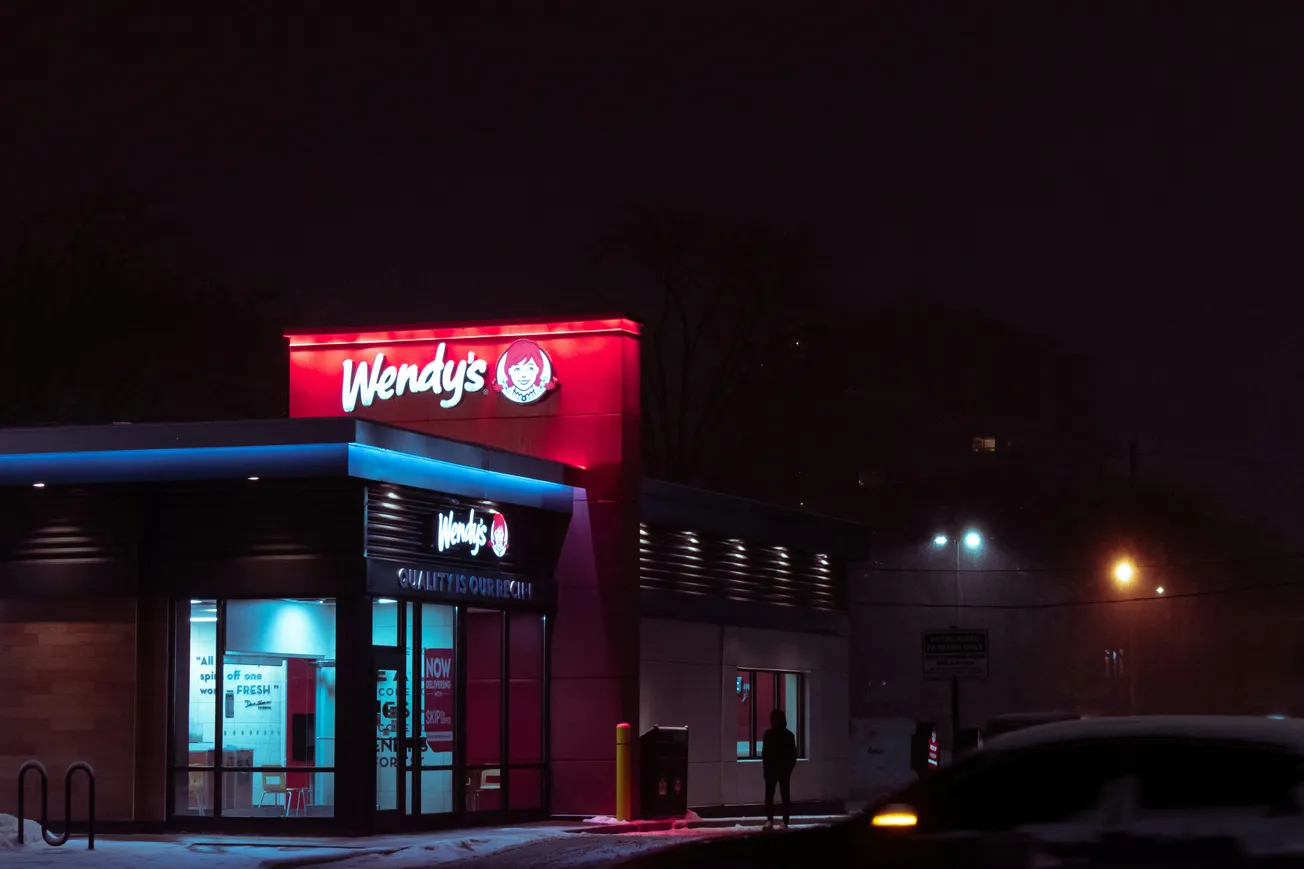
Wendy’s — the Columbus-founded quick-service burger chain — is moving forward with a plan to close hundreds of its U.S. restaurants through mid-2026, targeting 5% to 6% of its domestic footprint as part of a broader operational reset.
The closures follow disappointing sales results and come on top of earlier actions that saw dozens of locations shuttered in late 2025. Company executives have framed the downsizing as a strategic alignment of resources, aimed at strengthening the brand’s overall performance and supporting franchise profitability.
Underperformance Drives “System Optimization”
Interim CEO Ken Cook has described the closures as part of ongoing “system optimization,” a process intended to eliminate consistently underperforming restaurants so that Wendy’s and its franchise partners can concentrate on higher-potential markets.
According to the latest earnings commentary, Wendy’s has begun closing stores and will continue this activity into the first half of 2026. The restaurant chain operates nearly 6,000 U.S. locations, meaning the planned closures could affect roughly 298 to 358 restaurants by mid-year.
This downsizing effort is a continuation of closures announced in late 2025, as the chain grappled with slower traffic and softer sales trends across key dayparts, particularly breakfast.
Weak Sales Performance Prompting Strategic Shifts
Wendy’s reported that same-restaurant sales in the U.S. lagged expectations in late 2025, contributing to the decision to recalibrate its domestic footprint. Executives cited declines in customer visits and economic pressures on discretionary dining as factors weighing on performance.
Industry analysts have pointed to the closures as a response to shifting consumer behavior and intensified competition in the quick-service burger segment — where rivals are also focusing on value and menu innovation to retain traffic.
Biggie Deals Stay on the Menu
Alongside the store closures, Wendy’s has reaffirmed its commitment to value-oriented offerings with its permanent Biggie Deals menu, which features price tiers at $4, $6, and $8.
The Biggie Deals lineup — designed to give customers choice at lower price points — includes combinations of core menu items, such as burgers, chicken sandwiches, nuggets, fries, and drinks. The company sees these price points as critical to maintaining appeal amid economic headwinds and changing consumer spending patterns.
Cook has emphasized that the value platform provides “everyday value customers can rely on,” and will remain central to Wendy’s U.S. marketing and operations strategy even as closures proceed.
Operational Flexibility and Franchise Focus
Beyond closures and value pricing, Wendy’s is adjusting store operations to better match customer demand — particularly with respect to breakfast service. The company, which added a nationwide breakfast program in 2020, is giving franchisees more flexibility around morning hours where traffic has not met expectations.
This shift allows certain restaurants to open later during the morning daypart while reallocating labor and resources toward more productive hours, an effort intended to support franchisee economics and boost overall profitability.
Brand Outlook and Future Positioning
Wendy’s strategic pivot in 2026 — combining footprint reduction with renewed emphasis on value and operational efficiency — reflects broader industry themes where legacy quick-service brands reassess store mix and consumer appeal. The closures are expected to be completed by mid-2026, with the company continuing to evaluate performance locally and adjust direction as conditions evolve.
Investors and analysts will be watching how these moves influence Wendy’s competitive positioning, customer traffic, and overall financial results through the remainder of the year.
More about store closures:
 Ashton York
 Ashton York
 Staff Report