Supply Chain Resilience Tested as Trade Costs Mount
Victoria’s Secret & Co. is grappling with mounting tariff pressures and a significant operational pivot that reflects broader retail supply chain challenges in 2025. The iconic lingerie and lifestyle brand now expects a net tariff impact of roughly $90 million for its fiscal year ending January—with about $65 million of that hit booked in the fourth quarter alone.
Ocean Freight Shift Creates Inventory Glut
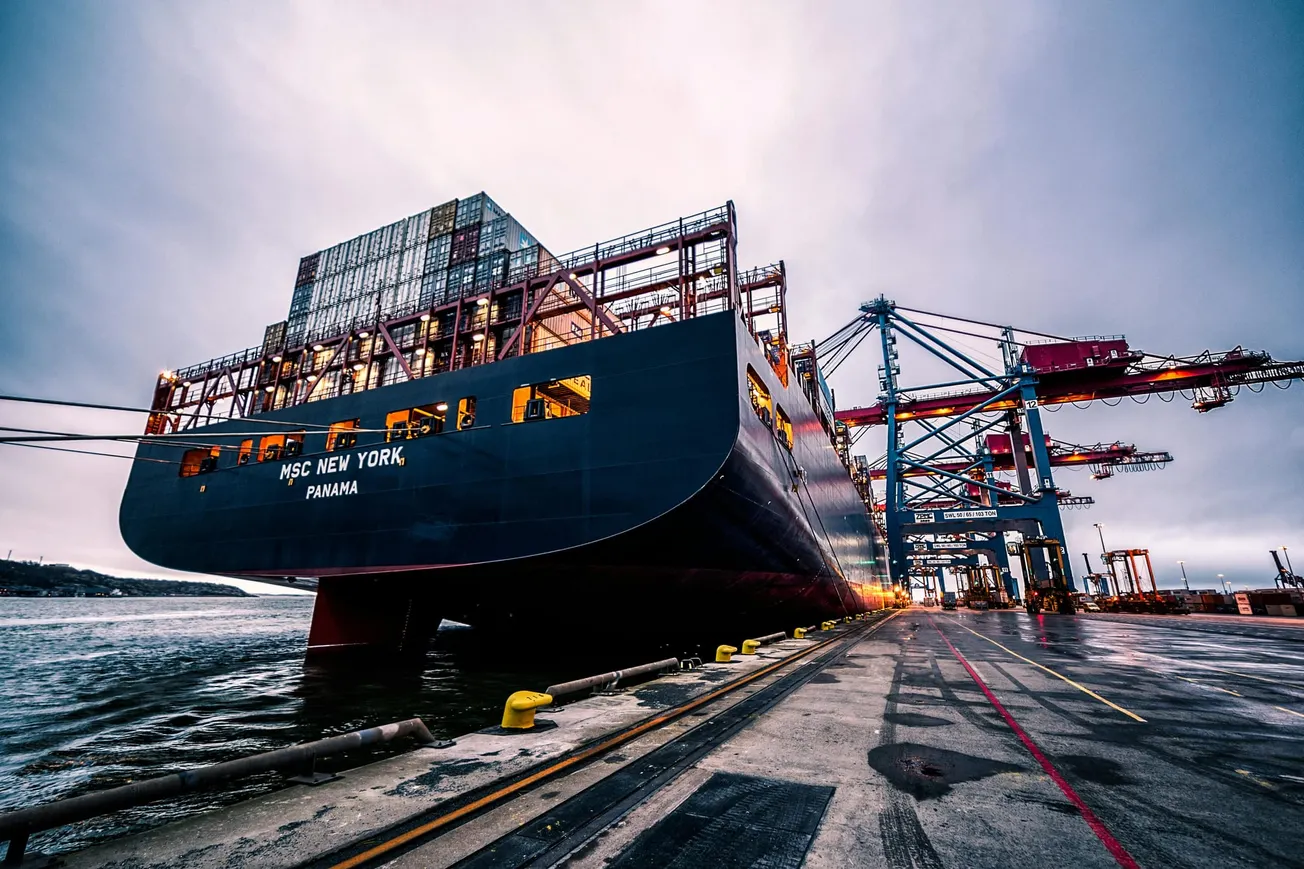
To counterbalance tariff‑driven cost increases, Victoria’s Secret has increasingly shifted shipments from costly air freight to more economical ocean freight. While this modal shift helps reduce logistics costs over time, it has also resulted in higher inventory levels earlier in the fiscal cycle as the company takes ownership of goods sooner to avoid air freight premiums.
Executives emphasize that tariff pressures are likely to remain a “headwind” through the first half of the next fiscal year, underscoring the ongoing uncertainty in global trade policy and supply chain planning.
Diversification, Pricing and Sourcing Adjustments
Victoria’s Secret is pursuing a multifaceted tariff mitigation strategy, including optimizing vendor costs, diversifying sourcing beyond China, and adjusting pricing where possible. These efforts aim to absorb or offset some of the tariff impacts without fully compromising consumer demand or profit margins.
The company sources goods from a wide range of countries—including Vietnam, Mexico, India, and Bangladesh—which helps spread geopolitical risk but also complicates logistics planning under shifting tariff regimes.
Market and Industry Context
This situation is emblematic of wider disruptions in the fashion and retail supply chain, where tariff volatility, geopolitical risk and shifting freight economics are forcing brands to rethink supply chain strategies and inventory management practices.