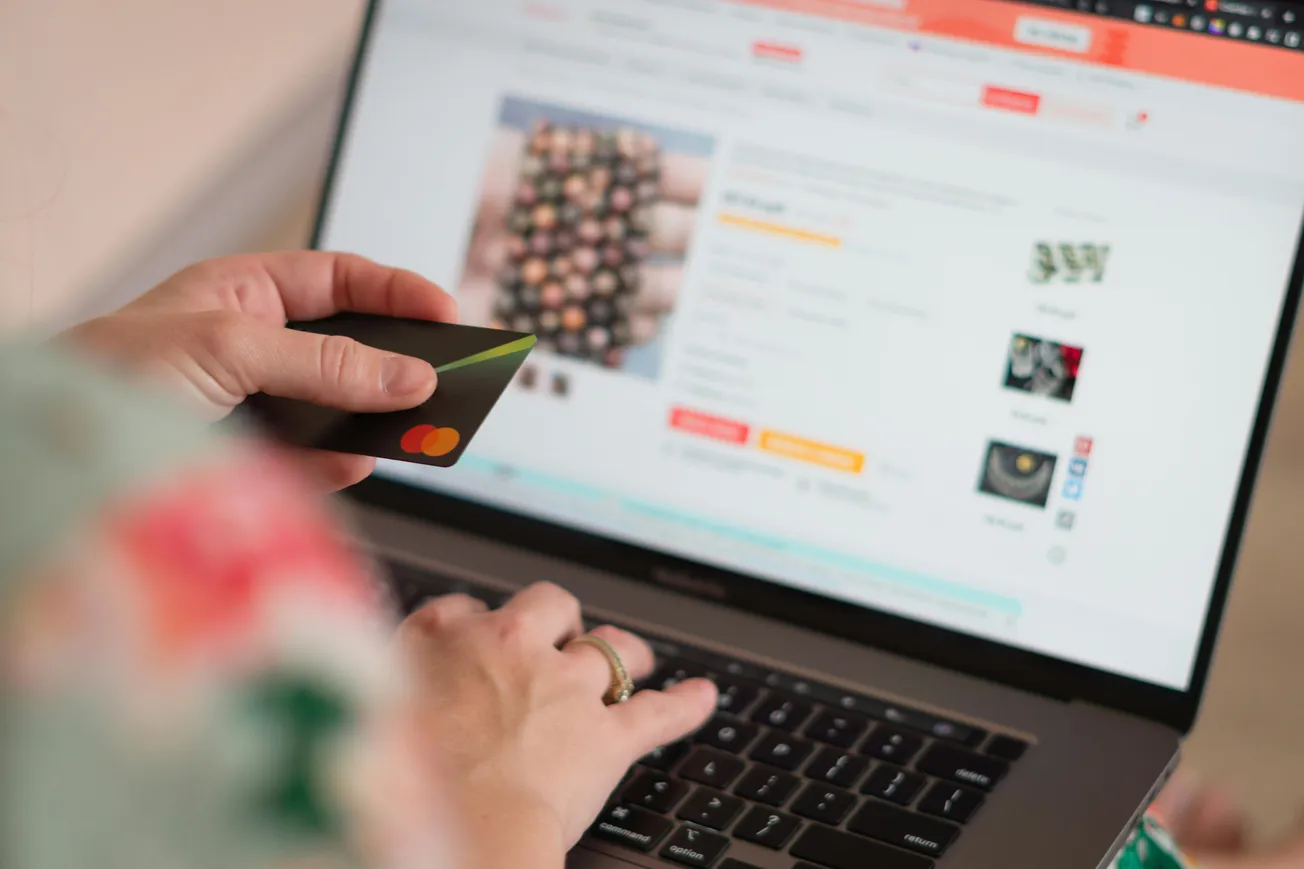
Retail media in 2025 experienced a seismic transformation—shifting from static, bottom-funnel tactics to a dynamic, full-funnel commerce media ecosystem.
Brands moved beyond product pages into connected TV, social integrations, and AI-driven shopping tools, reshaping the shopper journey and the structure of marketing teams. As 2026 begins, retailers and brands alike are grappling with the opportunities—and growing pains—of this new, agentic era of retail.
1. Retail Media Goes Full-Funnel
Retail media no longer lives only on the product detail page. In 2025, it expanded across the entire shopper journey, from high-funnel awareness through Connected TV (CTV) and creator content to in-store signage and post-purchase loyalty messaging.
What made this shift possible:
- More advanced measurement tools—including incrementality and multi-touch attribution
- Closer collaboration between brand marketing and commerce teams
- The rise of retailer-owned media networks (RMNs) offering cross-channel solutions
Retailers like Walmart Connect and Amazon Ads led the charge with omnichannel offerings, pushing marketers to think holistically about messaging, budgets, and KPIs.
2. CTV Becomes Retail Media’s Premium Channel
Connected TV (CTV) emerged as a breakout strategy in retail media, offering the emotional power of TV with the targeting precision of shopper data. For instance, brands could target verified Walmart buyers based on specific purchase behavior—like frozen foods or baby care—via CTV ad buys.
The challenge? CTV remains costly and high-funnel, requiring:
- Higher-quality creative
- Smarter frequency management
- Realistic expectations about conversion timelines
For 2026, marketers are focused on balancing CTV’s brand-building power with measurable outcomes.
3. Agentic Shopping Reshapes Discovery and Automation
The retail buzzword of 2025 was "agentic." AI-powered shopping agents—like Amazon’s Rufus or Walmart’s Sparky—began helping users discover and compare products using real-time signals: pricing, reviews, product data, and inventory.
Agentic AI enables two key use cases:
- Discovery Assistants: conversational tools that guide shoppers toward relevant items
- Reorder Bots: AI agents automating replenishment based on past behaviors
However, most shoppers aren’t ready to give agents full purchase authority. In 2026, building trust, transparency, and perceived value will be critical to expanding adoption.
This shift also disrupts how brands optimize content. Classic SEO strategies are giving way to Answer Engine Optimization (AEO) and Generative Engine Optimization (GEO), requiring new approaches to product data, content syndication, and PDP design.
4. Commerce Media Expands Beyond Retailers
Retail media has evolved into commerce media—a broader model where airlines, banks, fintechs, and loyalty apps monetize their shopper data. Think:
- Delta selling media to brands targeting SkyMiles users
- Credit card companies activating ad inventory based on spend history
This diversification creates more options—and more complexity—for brands managing multiple platforms and attribution models. To succeed, marketers must:
- Anchor their plans to shopper-first strategies
- Choose fewer, better-aligned networks
- Invest in interoperable data and creative frameworks
5. In-Store Media Makes a Comeback
While digital led much of the innovation, in-store retail media regained momentum in 2025. Retailers introduced:
- Digital shelf displays
- Scan & Go advertising units
- Smart carts and in-aisle video
Yet measurement remains the bottleneck. Without clear attribution, many brands hesitate to scale spending. The path forward lies in testing in-store lift, traffic analytics, and aligning digital creative with physical placements for cohesive campaigns.
Measurement: The Ongoing Challenge
While ROAS remains a common metric, it increasingly fails to capture the multi-touch, multi-metric complexity of today’s retail media. Incrementality became the aspirational gold standard, but wide adoption is slow due to inconsistent standards across RMNs.
In 2026, brands must:
- Align internal teams around shared definitions of success
- Push for standardized attribution models
- Embrace measurement as a strategic, not tactical, priority
Conclusion: Agentic is the Future
If 2025 was the year of full-funnel experimentation, 2026 is shaping up to be the year of agentic integration. AI will continue changing how shoppers discover, evaluate, and even purchase products. The brands that win will be those that:
- Optimize content for AI-powered agents
- Bridge media planning across touchpoints
- Balance innovation with disciplined measurement
Retail media isn’t a tactic anymore—it’s the strategy. And in 2026, the smartest players will be those who orchestrate experiences across channels, build trust with emerging technologies, and keep the shopper at the center of everything.