
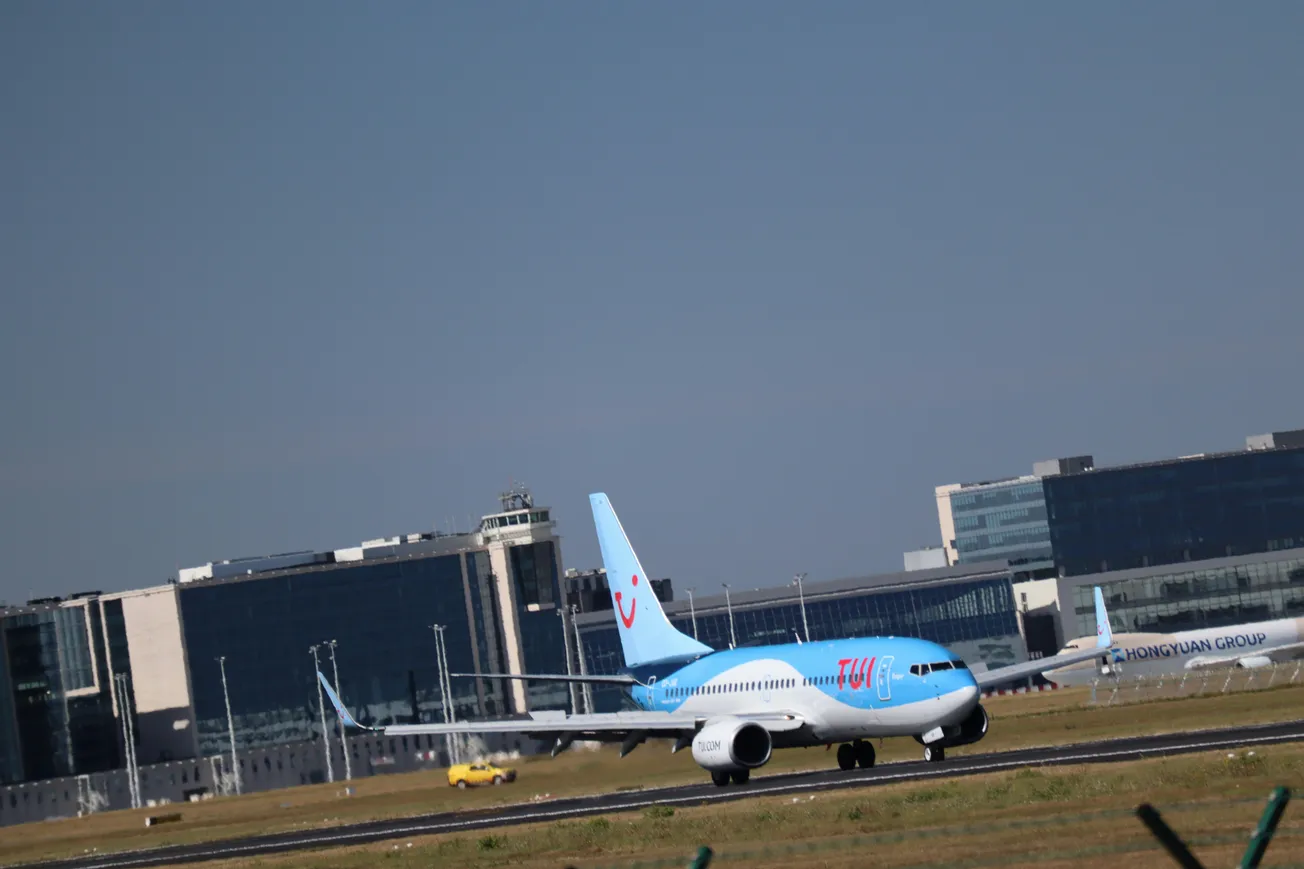
The escalation of conflict involving Iran has sent ripples through the global travel and logistics sectors, forcing major airlines and cruise operators to abruptly reroute operations. According to reports from Reuters, thousands of international travelers have seen "dream holidays" fall into disarray as airspace closures and security risks necessitate significant diversions.
For the global business community, particularly firms with interests in the EMEA (Europe, Middle East, and Africa) region, these disruptions represent more than just traveler inconvenience; they signal a period of increased volatility for international commerce and supply chain reliability.
Major carriers including Lufthansa, Air France-KLM, and several Asian airlines have suspended or rerouted flights to avoid Iranian and regional airspace. These adjustments often result in longer flight times, higher fuel consumption, and increased operational costs. In the cruise industry, major lines have been forced to cancel or modify itineraries in the Mediterranean and Red Sea, affecting seasonal revenue projections for tourism-dependent economies.
For stakeholders in Bentonville managing global footprints, these geopolitical shifts require agile corporate strategy and a heightened focus on risk mitigation for personnel and high-value cargo moving through these corridors.
Supply Chain Implications and Economic Risk
Beyond the immediate impact on tourism, the disruption of regional transit hubs poses a direct challenge to the "just-in-time" logistics models that many retailers rely upon. Diverting air cargo away from traditional Middle Eastern hubs can lead to bottlenecks in the movement of tech components and luxury goods, potentially impacting inventory levels during critical promotional periods. Investors are closely monitoring the situation, as prolonged instability could lead to sustained increases in transportation surcharges and insurance premiums for shipments traversing the region.
The current crisis underscores the vulnerability of interconnected global networks to localized geopolitical shocks. As travel agencies and logistical firms scramble to accommodate diverted passengers and freight, the broader business community is being reminded of the necessity of redundant supply chain paths. For leadership teams, the priority remains balancing the safety of operations with the need to maintain continuity in an increasingly unpredictable global landscape.
The long-term economic impact will likely depend on the duration of the conflict and the extent to which major transit routes remain compromised.
More about travel:
 Staff Report
 Staff Report
 Staff Report