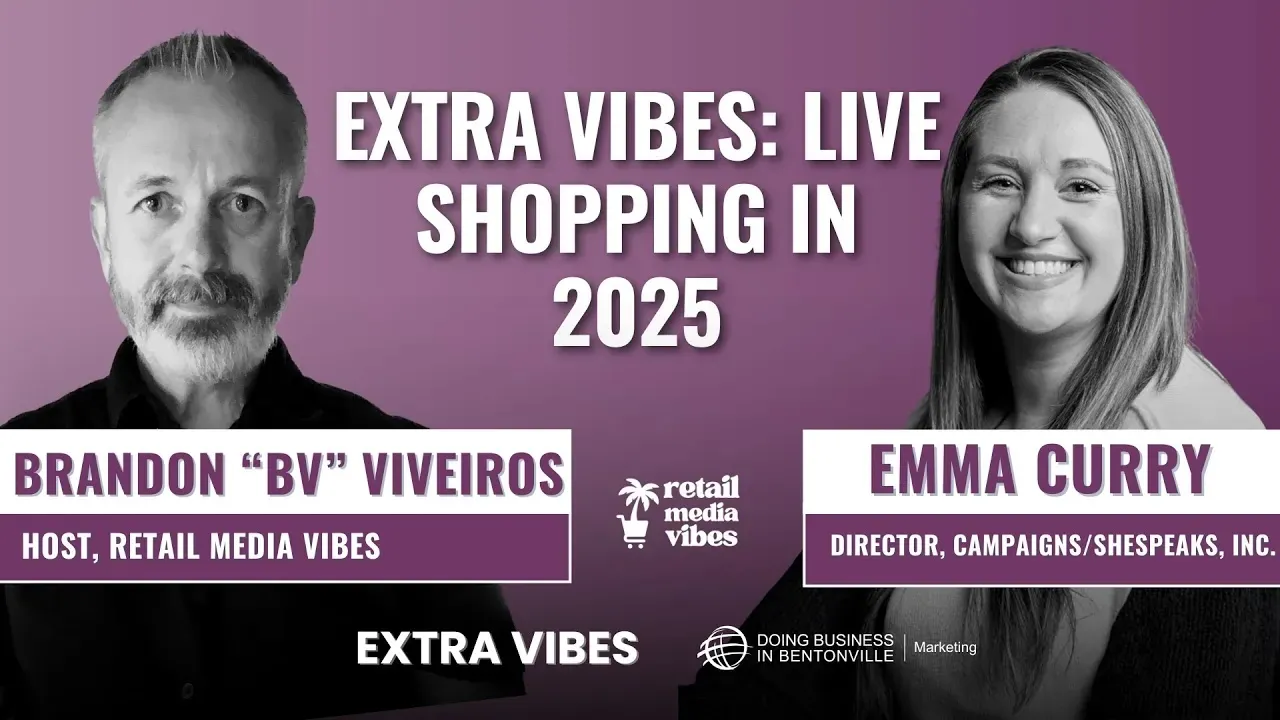
Live shopping is booming, just not equally everywhere. We tackle why China’s live commerce machine towers over the U.S. and what has to change for 2025: cultural expectations, seamless payments, and the invisible tech that makes “watch, want, buy” feel effortless. From the early QVC playbook to TikTok Shops, Amazon Live, and Whatnot, we break down where the channel wins, where it stumbles, and how to design streams that people actually want to watch, and buy from.
We dig into the power of story over category, showing why beauty, fashion, cooking, home improvement, and collector communities respond when the format teaches and entertains rather than hard‑sells. You’ll hear why hybrid models, creator‑led on camera, retailer‑led on operations- consistently outperform, and how the best hosts turn chat into real conversion. We share a creator‑driven haircare stream that outpaced expectations, then list the practical fixes that move the needle: one‑tap wallets, persistent carts, clean variant selection, bundles that simplify choices, and rehearsal that stress‑tests every link.
To keep things fun, we also spotlight Crocs x T‑Pain’s “boots with the fur” moment, a playful, meme‑friendly collab that shows how cultural resonance drives attention and action. If you’re building a live commerce strategy for the year ahead, consider this your checklist: lead with narrative, pair the right host with the right platform, and make checkout disappear. Subscribe, share this with your team, and drop a review telling us which category you think is primed to break out next.
More About this Episode
The Rise, Reality, and Roadblocks of Livestream Commerce in 2025
Livestream commerce, sometimes called live shopping, is not just another trend that emerged during the pandemic. It’s an evolving retail model that has already transformed the e-commerce landscape in Asia and continues to challenge brands in the U.S. to reimagine how they connect, engage, and convert. While the U.S. market is still trailing behind its global counterparts in adoption, the concept has undeniable potential when executed with the right mix of content, creators, and convenience.
So what’s holding livestream commerce back in the U.S.? And more importantly, what’s working? Let’s take a deep dive into how livestream shopping is playing out in 2025, where the opportunities lie, what’s holding it back, and how brands can start making it work for them.
The Global Context: China’s Dominance and U.S. Catch-Up
If you want a preview of where livestream commerce could go, look no further than China. It’s a $700 billion market there, not a typo, accounting for a significant share of total e-commerce sales. In contrast, the U.S. livestream commerce market stands at around $40 billion. Still big, yes, but the difference in scale is hard to ignore.
That disparity isn’t just about tech infrastructure. It’s also cultural. In China, platforms like Taobao Live and WeChat have turned livestream shopping into an immersive, social experience. The consumer journey is frictionless, from discovery to purchase; everything happens in a single app. Meanwhile, many U.S. platforms are still catching up, especially when it comes to integrating seamless checkout experiences into livestream formats.
Why Livestream Shopping Still Has Friction in the U.S.
Two primary barriers are slowing down adoption in the U.S.: cultural fit and conversion friction.
- Cultural Differences in How We Engage With Content In the U.S., consumers aren’t yet conditioned to spend long sessions watching livestreams in the same way audiences in Asia are. Our attention span is shorter. The expectation is higher. Content has to be punchy, valuable, and, above all, authentic. That makes it harder for brands to jump into livestream commerce without thinking deeply about the storytelling format.
- Friction in the Conversion Funnel In the U.S., a typical livestream may still push users out of the stream to complete a purchase on a separate website. That moment of friction, having to leave the experience to buy, often results in lost sales. Compare that with China’s seamless, all-in-one platforms where viewers can watch, engage, and buy in a matter of seconds.
Until U.S. platforms streamline that path to purchase, conversions will continue to suffer, regardless of how strong the content or creator is.
Where Livestream Commerce Does Work and Why
That said, livestream commerce can work, and does, when the right elements are in place. Here's what we're seeing across platforms and categories in 2025:
1. Success Follows Storytelling, Not Just Sales
The most compelling livestreams aren’t just product demos. They’re mini-entertainment experiences. Think recipe tutorials where viewers can buy every ingredient and utensil shown. Think beauty creators doing live tutorials with shoppable links. The value to the viewer comes first; the product pitch comes second.
It’s not just about categories, although beauty and fashion naturally perform well. It’s about the story you can tell around the product. Cooking is a perfect example. A livestream cooking demo can sell everything from the cheese to the frying pan to the apron the host is wearing. That’s a compelling viewer experience, not a commercial break.
2. Creator-Led Content Drives Authenticity
Audiences don’t want to be sold to; they want to connect. That’s why creator-led livestreams often outperform brand-led ones. Creators bring their own audience, tone, and authenticity. The most successful campaigns are hybrid models: the brand provides the platform and support, while the creator owns the storytelling and engagement.
Whether it's Amazon Live, TikTok Shop, or platforms like Whatnot, creators who understand their audience and know how to engage in real time are the ones turning views into sales.
Platforms Leading the Charge
While platforms like Amazon Live and TikTok Shop are investing heavily in livestream capabilities, each has its own strengths and limitations.
- Amazon Live: Offers infrastructure, massive product catalog access, and streamlined fulfillment. It’s great for utility, but lacks the emotional storytelling side unless paired with the right creator.
- TikTok Shop: A more natural fit for entertainment-meets-commerce. The short-form video DNA of the platform helps transition viewers from passive consumers to engaged shoppers.
- Whatnot: A leader in niche categories like collectibles, sneakers, and memorabilia. It’s more community-driven and feels casual, which can be a powerful asset when trust and excitement matter.
The best strategy? Don’t rely on the platform alone. Choose the right format, creator, and product, then build out the customer journey from start to checkout.
Removing Friction: The Make-or-Break of Livestream Success
If there’s one takeaway for brands looking to invest in livestream commerce, it’s this: optimize the end-to-end experience.
You can have the perfect host, product, and content, but if your audience hits a clunky checkout process, you’ve lost them. That moment between intent and purchase is where most livestream shopping efforts falter. Whether it’s having to re-enter a credit card multiple times, switching apps, or unclear links, each layer of complexity costs you conversions.
The goal should be a near-frictionless checkout, ideally within the same stream. Platforms that master this will not only increase sales but also attract better creators and repeat viewers.
Livestream Commerce Isn’t for Every Product, and That’s Okay
Not every brand should jump into livestream commerce. The format lends itself well to products with a visual, demonstrable, or narrative component. Beauty, fashion, food, and collectibles are natural fits. But livestreaming toilet paper? Probably not.
What matters most is value-added content. If you’re providing utility, like fashion tips, how-tos, or even entertainment, your audience is more likely to engage and convert. Think of the commerce moment as a byproduct of a great piece of content, not the goal in itself.
The Future: From Novelty to Norm
We’re still early in the livestream commerce journey here in the U.S., but the trajectory is promising. The tech is improving. Creators are getting more sophisticated. And consumers are warming up to the idea of shopping in real time.
The next big unlock will be removing friction from the checkout and building platforms that fully support both creators and customers. Brands that understand the full user journey, from first touchpoint to purchase, and optimize it for engagement and ease, will lead the next wave of livestream commerce innovation.