As 2026 unfolds, the beauty industry is adjusting to a new reality shaped by digital commerce, shifting spending power, and an increasingly discerning consumer. While category fundamentals remain strong, the path to growth now hinges on strategic placement, product efficacy, and targeted appeal.
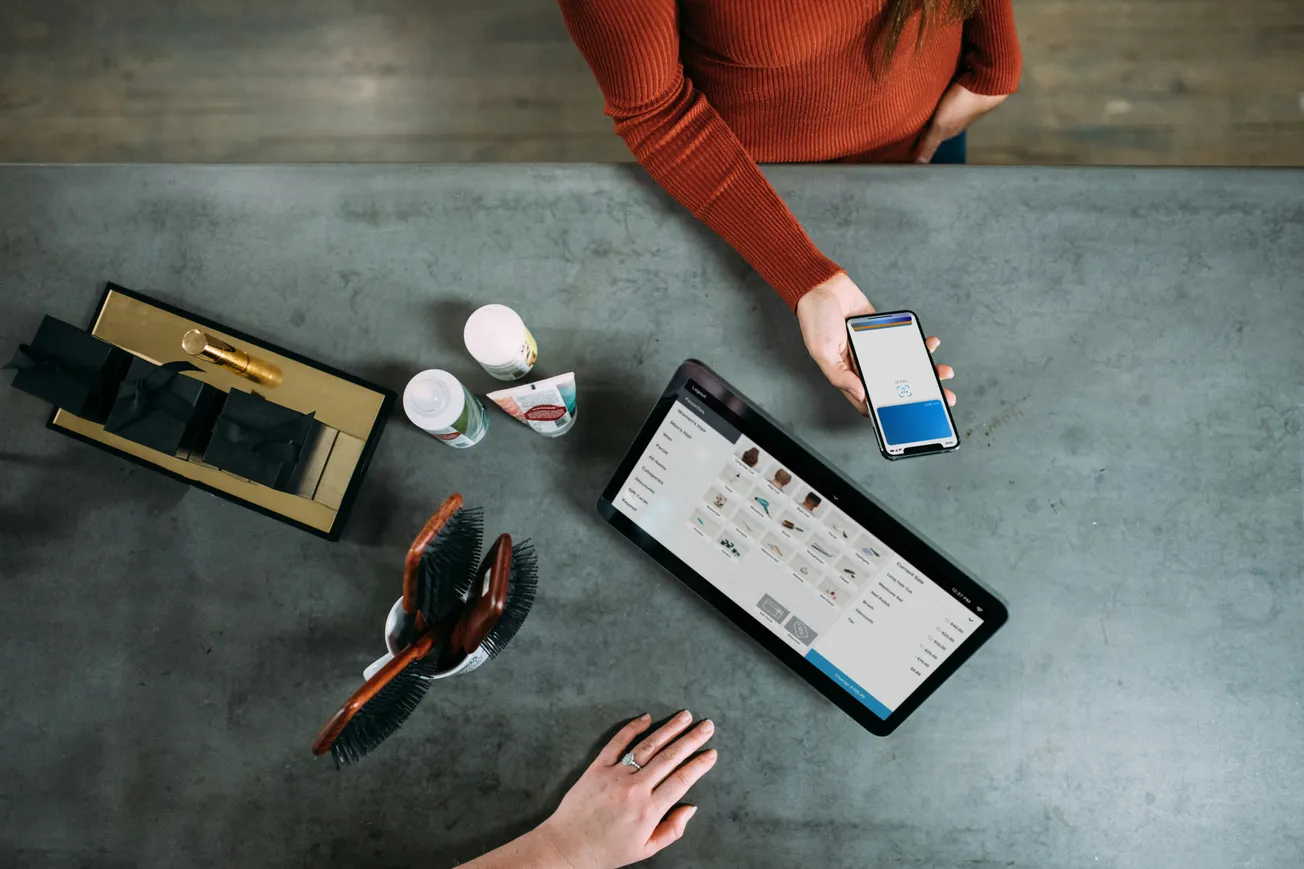
One defining trend is the continued rise of ecommerce-driven discovery and sales, with platforms like Amazon and TikTok Shop cementing their roles as not just sales channels, but as top-of-funnel product discovery tools. Amazon’s recent addition of prestige brands and TikTok’s social commerce influence are reshaping how consumers find and evaluate beauty products.
At the same time, economic polarization is impacting where and how beauty dollars are spent. Higher-income consumers are driving much of the current growth, while lower-income shoppers are becoming more selective, often trading down to value retailers or stretching product usage. This divide is prompting brands to rethink pricing architecture and distribution strategies.
Retail loyalty is gaining ground even as brand loyalty weakens. Consumers are increasingly open to trying new products, but they are sticking with retailers that offer trust, convenience, and tailored assortments. This gives retailers with strong omnichannel capabilities a growing influence over brand visibility and conversion.
Perhaps most critically, product performance is non-negotiable in 2026. Shoppers expect visible, real-world results—especially in categories like skincare, lip care, and fragrance. Functional ingredients, multitasking formulas, and evidence-backed claims are now essential to compete.
For legacy players and indie brands alike, 2026 is less about trends and more about alignment—ensuring that distribution, messaging, and innovation match today’s digitally empowered, results-oriented consumer.