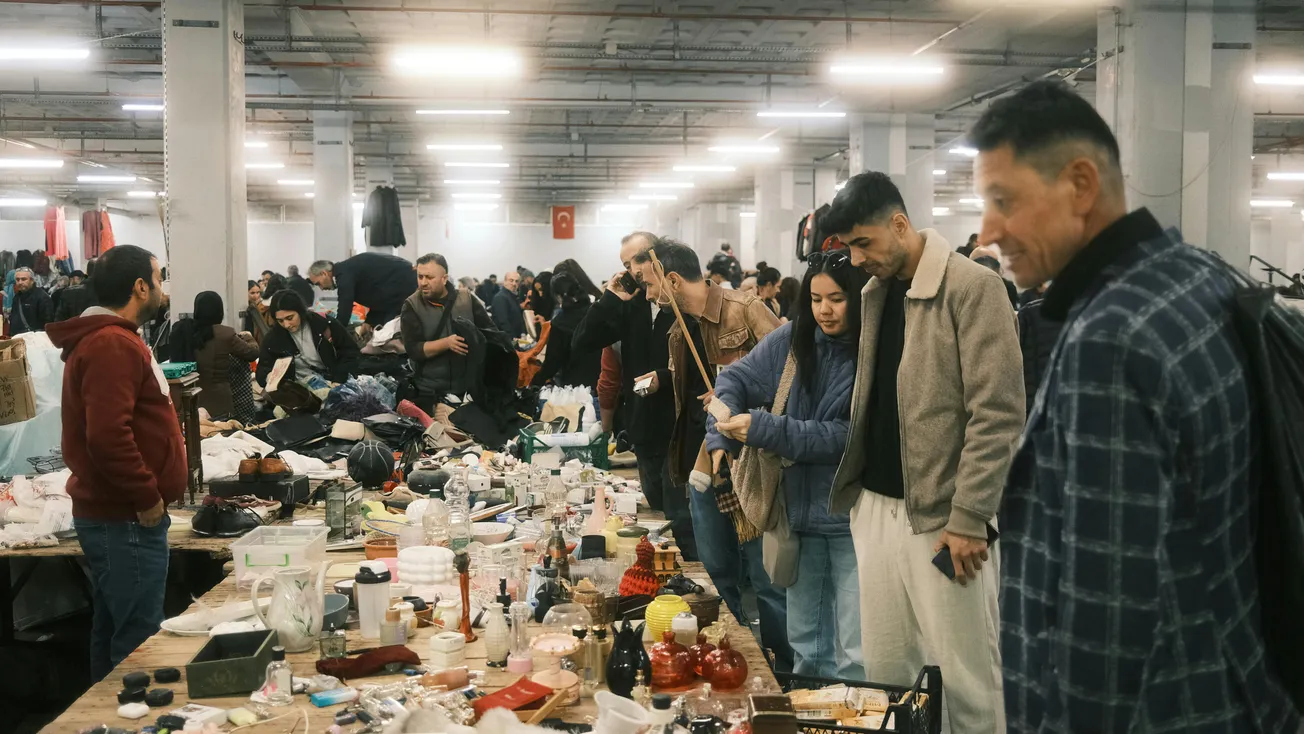
The resale market boomed in 2025, fueled by economic pressures, cultural shifts, and deepening investment from major brands.
According to Retail Brew, a confluence of inflationary headwinds and rising tariffs on new goods created a stronger value proposition for secondhand shopping. Consumers, squeezed by higher prices, turned to platforms like ThredUp, eBay, and The RealReal in record numbers.
ThredUp reported a 26% year-over-year increase in active buyers, and resale platforms across the board saw record revenues during peak shopping quarters.
But affordability wasn’t the only factor driving growth. Resale also became culturally resonant in 2025.
From eBay’s Met Gala activation to pre-owned runway shows at New York Fashion Week, high-profile endorsements helped push secondhand fashion into the mainstream. What was once seen as niche or budget-focused is now being recast as stylish, sustainable, and smart—particularly among younger shoppers.
Industry experts note that resale is moving from a fringe initiative to a core business strategy. Retailers are no longer siloing resale under sustainability departments; instead, it’s being embedded into e-commerce, merchandising, and brand experience strategies.
Major brands, including those outside of apparel, launched or expanded recommerce programs this year to align with shifting consumer expectations.
Looking ahead, 2026 is expected to see continued momentum in the resale sector. As platforms mature and traditional retailers invest in technology to manage inventory, logistics, and customer engagement for pre-owned items, the once fragmented resale space is becoming more sophisticated—and profitable.