


What happens when AI stops asking for permission and starts making the buy? We dig into the turning point for retail as agentic commerce moves from recommendations to execution, and why the real challenge isn’t a shiny new model but the rules, data, and accountability that sit beneath it. As AI agents optimize for outcomes, speed, certainty, and trust, the battlefield shifts. Brand storytelling still matters, but only when it’s structured and machine-readable. Promotions still matter, but only when they’re accurate in real time. Loyalty still matters, but only when algorithms can quantify it consistently. Persuasion gives way to precision, and ambiguity becomes a liability.
We walk through the leadership choices that define this next phase: who sets spending limits, approves substitutions, and owns liability when an agent chooses perfectly on cost but poorly on margin or brand? These aren’t IT decisions; they are governance decisions. Decades of system design aimed to support human judgment. Now we must define when and how systems replace it, with clear guardrails, auditable logic, and incentives that align short-term efficiency with long-term value. If the foundations are messy, fragmented pricing, inconsistent inventory, and siloed ownership, autonomy will amplify the cracks.
Leaders preparing to win are treating APIs as core infrastructure, making product data machine-first, investing in observability to explain agent decisions, and staging tough policy conversations before autonomy scales. The pivotal question is no longer whether AI can be trusted to decide; those decisions are already happening. The question is whether they’ll happen within your systems or around them. Join us as we break down the practical steps to move from hype to readiness and build a trustworthy contract with machines. If this conversation sparks ideas, subscribe, share with a colleague, and leave a review with the first policy you’d put in place.
When AI Stops Asking Permission
Agentic commerce is shifting retail from AI recommendations to autonomous buying. Learn how leaders must prepare with machine ready product data, accurate pricing and inventory, clear governance, and APIs that keep trust, accountability, and margins intact as AI agents make decisions.
Related
Preparing Retail For AI Shopping Agents
AI agents are becoming the new shoppers. Learn how to prepare your ecommerce brand with machine readable product data, clean metadata, trusted pricing and promos, inventory and delivery accuracy, and better analytics so AI can confidently recommend your products.
When AI Becomes the Shopper
AI agents are becoming the shoppers. This episode explains how agentic commerce changes ecommerce priorities, why structured product data and real time inventory matter most, and how brands can win when machines choose what gets recommended.

Luxury Retail Lost Its Touch, Can Tech Bring It Back
Luxury retail can feel personal again. This episode explores high touch service, AI clienteling, RFID, and predictive analytics, showing how technology can restore confidence, intimacy, and expert service without losing the human touch.
Retail’s Secret Weapon: Accelerators
Why retail accelerators are reshaping how brands scale. Learn how execution, compliance, logistics, and digital merchandising now matter more than invention, and why retailers use accelerators to build reliable partners and spot trends early.
Latest

U.S. Consumer Sentiment Improves in February
Consumer sentiment in the United States showed an uptick in February 2026, reaching its highest level since August 2025, though households remain wary of persistent price pressures and job market risks.

Simon Malls See Traffic Dip as Canada-US Tensions Rise
Simon Property Group reports softer mall traffic near the US-Canada border as tariff disputes and heightened border enforcement deter Canadian shoppers.
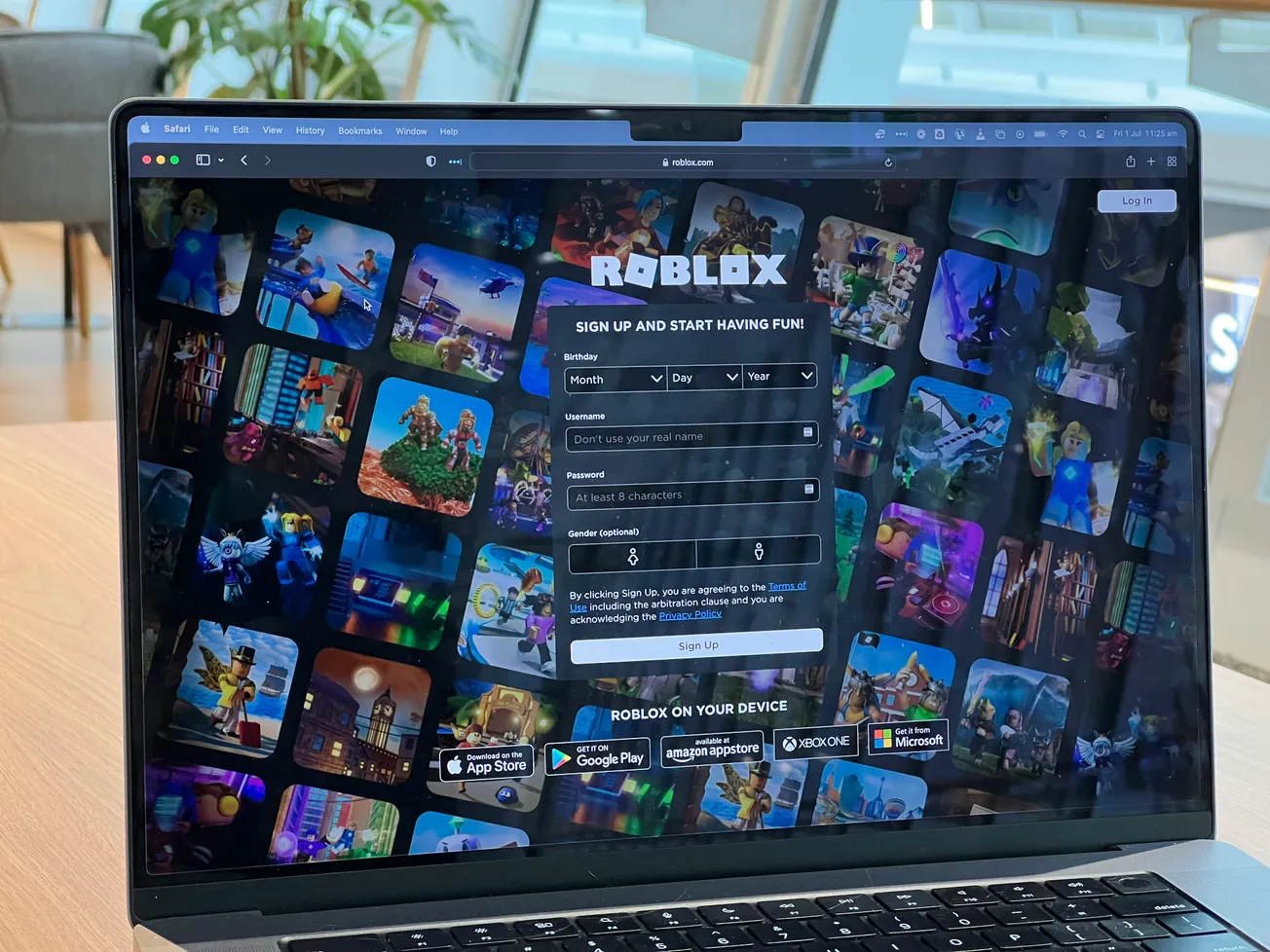
Roblox Shifts Strategy to Attract Older Players
Roblox is actively pursuing a broader audience by enhancing platform experiences and content to draw more users aged 18 and over, as adult engagement grows and monetization opportunities expand.

Walmart to Invest $330M in Opelousas Distribution Hub
Walmart announces a more than $330 million modernization of its Opelousas, Louisiana distribution center to boost supply chain capacity with automation, robotics and advanced technology.