


Shoppers aren’t always the ones doing the shopping anymore. We unpack the accelerating rise of AI agents as product researchers and decision-makers, and why that flips long-held e-commerce priorities on their head. If a machine is choosing what to recommend, the inputs it reads, structured product data, real-time pricing, accurate inventory, and truthful delivery promises, matter far more than hero images or clever copy. That’s not a distant future; it’s the competitive landscape right now.
I walk through how agents actually shop: they parse intent, query catalogs through APIs, filter by constraints like budget and delivery dates, and present tight, defensible short lists. There’s no polite feedback when your feeds are stale, or your systems disagree; you simply disappear from the candidate set. That’s why this shift is different from mobile or omnichannel. It’s not another surface to polish; it’s a different decision-maker that rewards reliability over rhetoric and execution over aesthetics.
We break down what machines value and what they ignore, then translate those insights into a practical playbook. Think AI-first: treat product information, pricing, availability, and fulfillment as mission-critical infrastructure. Enforce attribute completeness, unify schemas, and expose robust, low-latency APIs. Measure success with machine-aware KPIs, freshness SLAs, discoverability in agent-guided flows, inclusion rates on constrained queries, alongside traffic and conversion. This is not just an IT problem; it spans merchandising, operations, and leadership, reshaping incentives and investments across the org.
If you want your products to show up when agents decide, build trust at the data layer and keep it fresh. When AI becomes the shopper, execution becomes the brand. Subscribe for more practical strategies on retail’s next turn, share this with a teammate who owns your catalog or inventory pipeline, and leave a review with the one metric you’d change first.
When AI Becomes the Shopper
AI agents are becoming the shoppers. This episode explains how agentic commerce changes ecommerce priorities, why structured product data and real time inventory matter most, and how brands can win when machines choose what gets recommended.
Related

44% of your Retail Media Budget is Probably Wasted
Stop wasting ad spend on unoptimized product pages. Learn why 44 percent of paid traffic lands on weak PDPs and how a three-legged stool of operations, content, and ads can boost ROAS by 29 percent. Audit your digital shelf and align teams to turn retail media into a true growth multiplier.

Page 1 or Bust: The New Planogram
Page one is the only shelf that matters in search led retail. Learn how top 10 rankings drive sales, why SEO reflects your operating model, and how AI powered discovery is shifting brands from SEO to answer engine optimization to win organic visibility and share of page one.
Retail Leadership in a Modern Age
Retail leadership that wins in the age of AI demands clarity, leverage, and trust. Drawing on 18 years at Walmart, we share strategies for omnichannel success, empowered teams, clear metrics, and values driven decision making that fuels growth without burnout.
What Retailers Can Learn from Competing with Costco
What makes Costco a retail powerhouse? We break down its membership model, disciplined SKU strategy, capped margins, and supplier partnerships that build long term loyalty and trust. Discover why focus, value, and execution drive sustainable retail growth.
Latest

Intel Faces Multiyear Journey to Resolve Manufacturing Capacity Constraints
Intel is redirecting production to meet surging AI and server demand as executives warn that fixing deep-seated manufacturing capacity issues will require years of strategic investment.

Honda Cancels US EVs Amid $15.8 Billion Strategic Loss
Honda has halted development of three major North American electric vehicle models as global tariffs and cooling consumer demand trigger a historic $15.8 billion financial charge.

Essential Drivers and Deterrents of Online Purchase Decisions in 2026
Comprehensive 2026 consumer research identifies that while price transparency and free shipping drive conversions, complex checkouts and high return fees remain the primary deterrents for online shoppers.
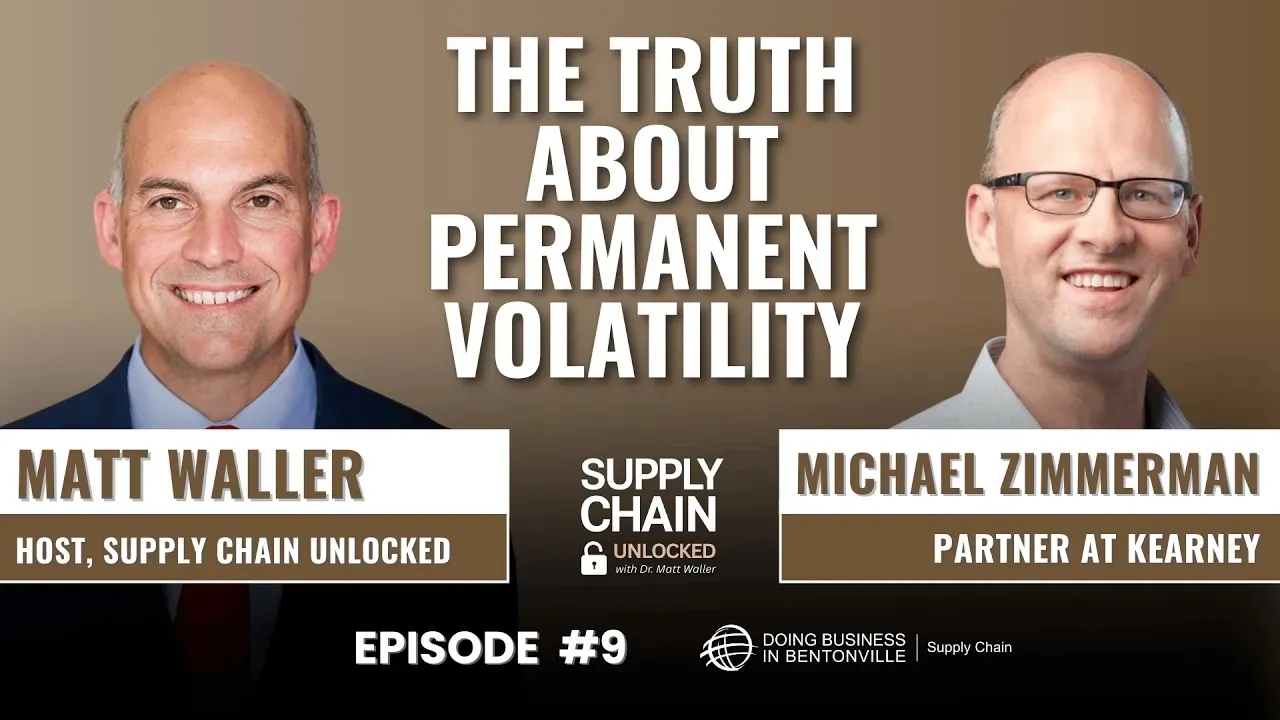
Ep. 9 - Decision Advantage: Winning in a Volatile Market
Michael Zimmerman of Kearney shares how to navigate supply chain volatility with layered planning and decision advantage. Learn to replace single point bets with capacity portfolios and use AI for decision compression. Fix cross functional seams and build resilience without overspending.