Yesterday, Donald J. Trump threatened to impose a 5% tariff on Mexican goods if United States–Mexico–Canada Agreement (USMCA)‑compliant status aside, Mexico does not quickly deliver water owed under the treaty governing water sharing from the Treaty relating to the utilization of waters of the Colorado and Tijuana Rivers and of the Rio Grande (1944 Water Treaty).
Under the treaty, Mexico is required to deliver 1.75 million acre‑feet of water from the Rio Grande and other shared rivers over each five‑year cycle. According to U.S. officials, Mexico is reportedly more than 800,000 acre‑feet behind for the current cycle.
Drought + Delivery Shortfalls = Diplomatic Tensions
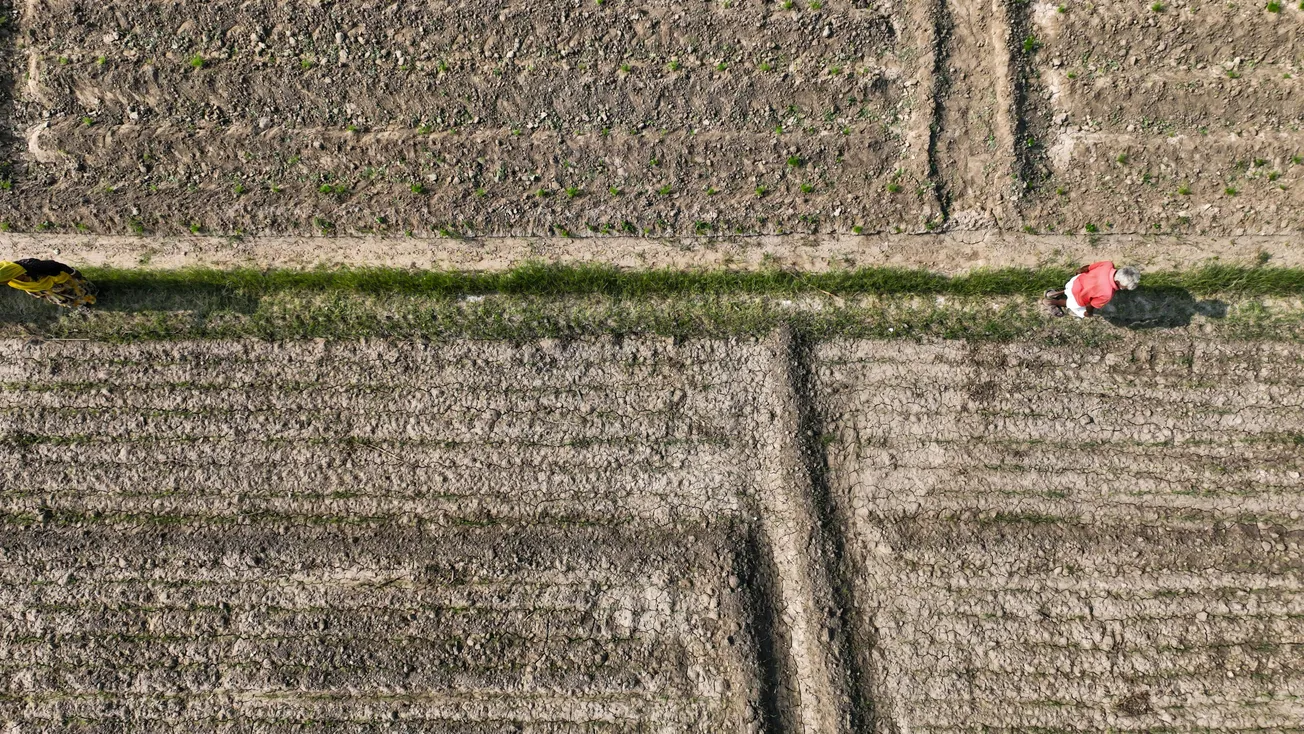
Mexico says that prolonged drought across northern regions has severely limited reservoir levels, undermining its ability to meet its treaty obligations on schedule.
In April 2025, after an earlier round of warnings, Mexico agreed to send water from additional storage and pledged to increase U.S. water allocations via six Rio Grande tributaries — a temporary fix intended to bring deliveries closer to treaty‑mandated levels.
However, with delivery still significantly short by the end of the cycle in October, the U.S. government under Trump says the deficit is unacceptable — prompting the latest threat of trade penalties.
Agricultural, Trade and Diplomatic Stakes Are High
The water shortfall is already being felt by U.S. farmers — especially in Texas, where water allocations are vital for crops and livestock. The tariff threat has sparked concern that trade relations could suffer, even for goods compliant with USMCA rules.
Mexican leadership has expressed skepticism about meeting the year‑end water deadline, citing both drought conditions and physical limitations on water infrastructure. Observers warn that tying essential water treaty compliance to trade sanctions could make water diplomacy even more fraught and unpredictable.