


Retail giant Walmart has announced its commitment to reducing packaging waste associated with online orders by implementing various sustainability measures. These include replacing plastic mailers with recyclable paper bag mailers, right-sizing cardboard box packaging, offering customers the option to consolidate shipping, eliminating single-use plastic bags for online pickup orders, and optimizing last-mile delivery to reduce mileage and delivery times. By transitioning to paper bag mailers, Walmart anticipates eliminating 65 million plastic bag mailers, amounting to more than 2,000 tons of plastic, by the end of the fiscal year. The company is also implementing right-sized packaging technology to minimize unused space in boxes and reduce the need for fillers while allowing customers to consolidate multiple items into fewer boxes. Furthermore, Walmart utilizes artificial intelligence to fulfill online orders from stores instead of fulfillment centers, reducing the number of miles driven and boxes used for shipping. These sustainability efforts align with Walmart's commitment to achieving zero emissions by 2040 and its focus on becoming a more regenerative company that prioritizes social and environmental issues.
Read the Full Article Here
Walmart Takes Steps Towards Waste Reduction and Sustainability in Fulfillment Network
Transitioning to recyclable paper bag mailers and right-sized packaging to eliminate thousands of tons of plastic waste
Related
Sustainable Packaging Shifts Consumer Trust and Omnichannel Retail Strategy
New consumer data reveals that eco-friendly packaging significantly influences brand trust and purchasing decisions across Gen Z and broader omnichannel shopping demographics.
Norway Wealth Fund Enters U.S. Renewables with Northview Energy
Norway’s world-leading sovereign wealth fund partners with BCI and Brookfield to launch Northview Energy, marking its first major investment in North American renewable assets.
Walmart Recasts Carbon Strategy With New 2040 Deadline
Walmart is advancing a revised decarbonization roadmap focused on achieving zero operational emissions by 2040 after acknowledging delays in its original 2025 and 2030 goals and shifting its carbon targets.
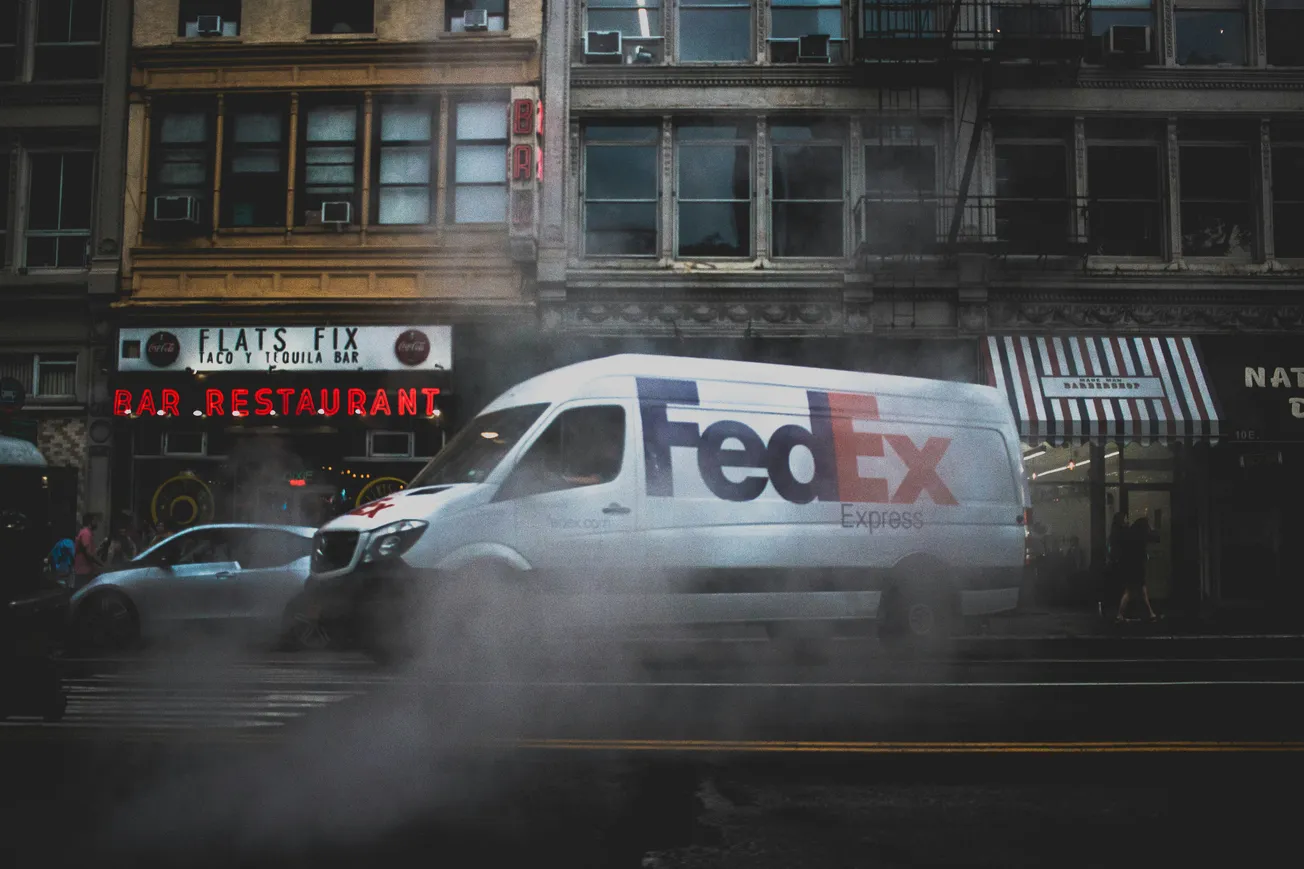
FedEx to Close Hundreds of Stations as Network 2.0 Overhaul Expands
FedEx announces plans to shutter more than 475 facilities by 2027 as it consolidates Express and Ground operations under its Network 2.0 strategy, aiming to cut costs, streamline delivery routes and modernize its U.S. and Canada parcel footprint.
Latest

The Saturday Special: Walmart Alumni Fueling the Bentonville Startup Ecosystem
Former Walmart corporate leaders are leveraging their enterprise-scale experience to launch innovative startups, transforming Northwest Arkansas into a global hub for retail technology and entrepreneurship.

REI Cuts Compensation Following Stalled Labor Union Negotiations
REI declares a bargaining impasse, initiating unilateral cuts to employee pay and benefits as financial pressures mount for the outdoor retailer.
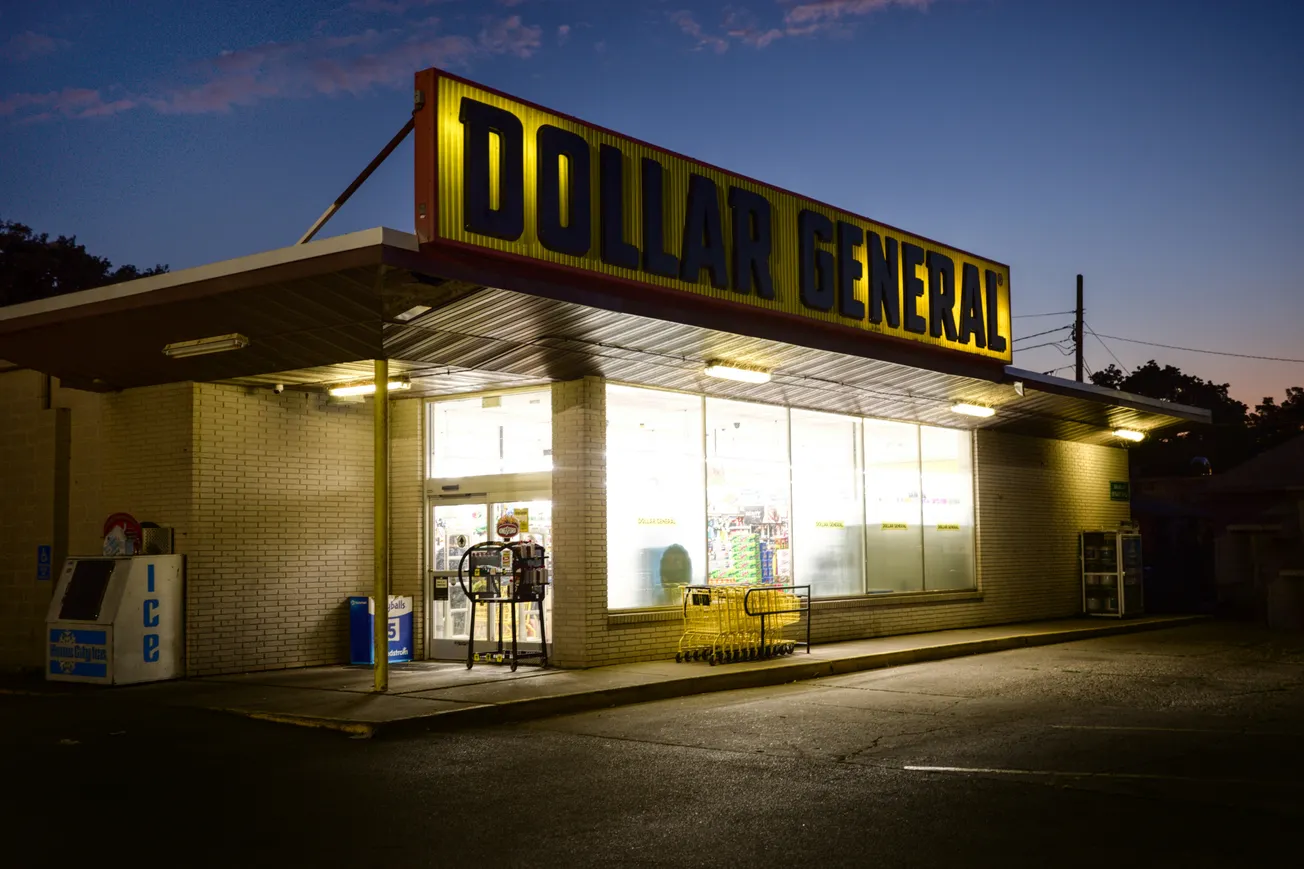
Dollar General Unveils New Format and Subscription Pilot
Dollar General announces a new store layout and subscription program to drive customer loyalty and value-based shopping experiences.
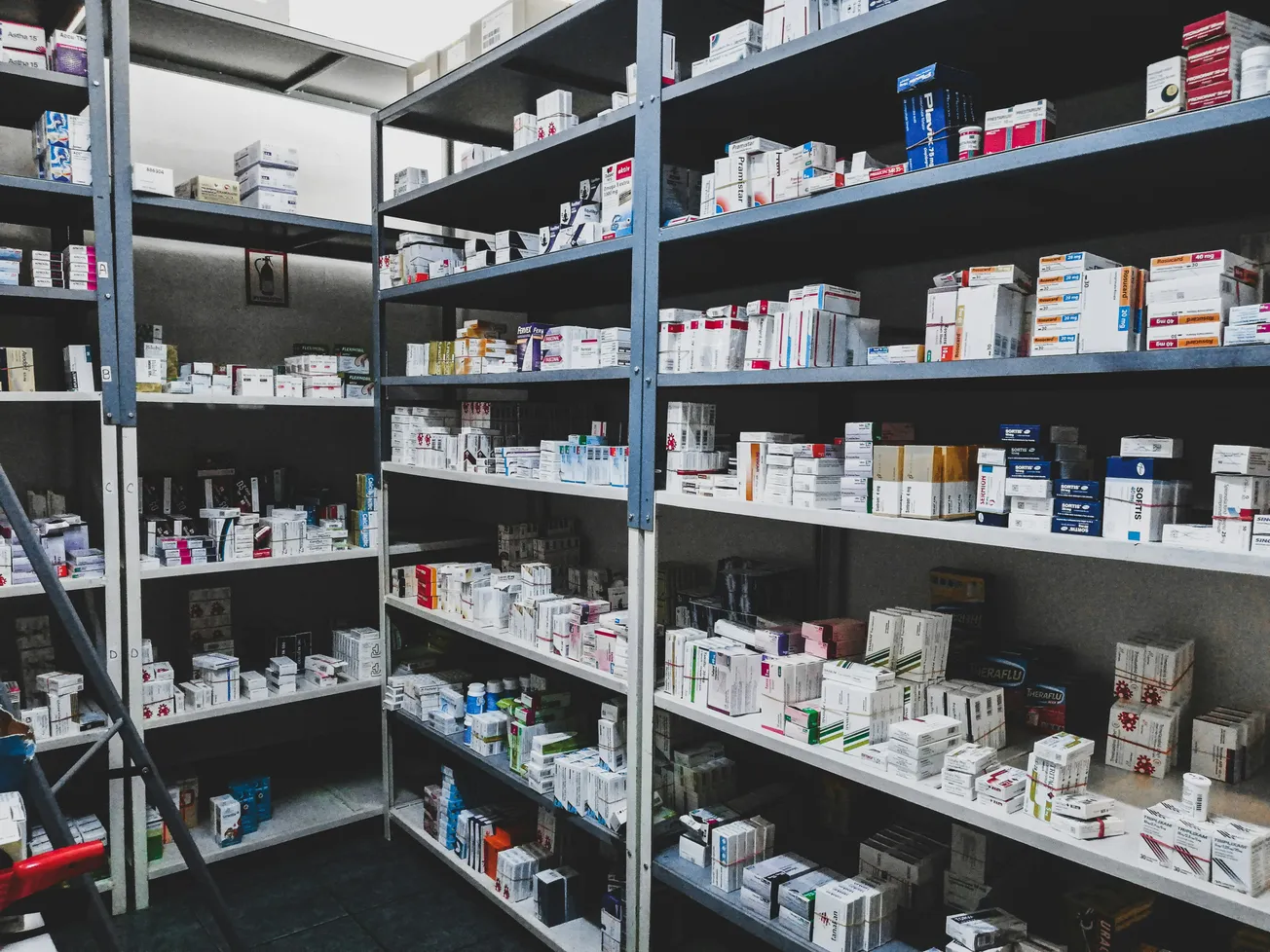
Costco Slashes Fertility Medication Costs By 80%
Costco partners with Sesame and IVI RMA to offer members significant savings on essential fertility medications and coordinated reproductive care.