The landscape of global commerce is shifting as Walmart continues to execute a multi-year strategic overhaul of its supply chain operations. Following its Q4 earnings report, the Bentonville-based retailer has confirmed that its investment in automation is yielding tangible results, moving the company closer to its goal of having 65% of stores serviced by automated facilities by the end of fiscal year 2026.
This transformation is not merely about moving products but about creating a seamless interconnection between digital browsing and physical acquisition, ensuring that the consumer journey remains fluid across all touchpoints.
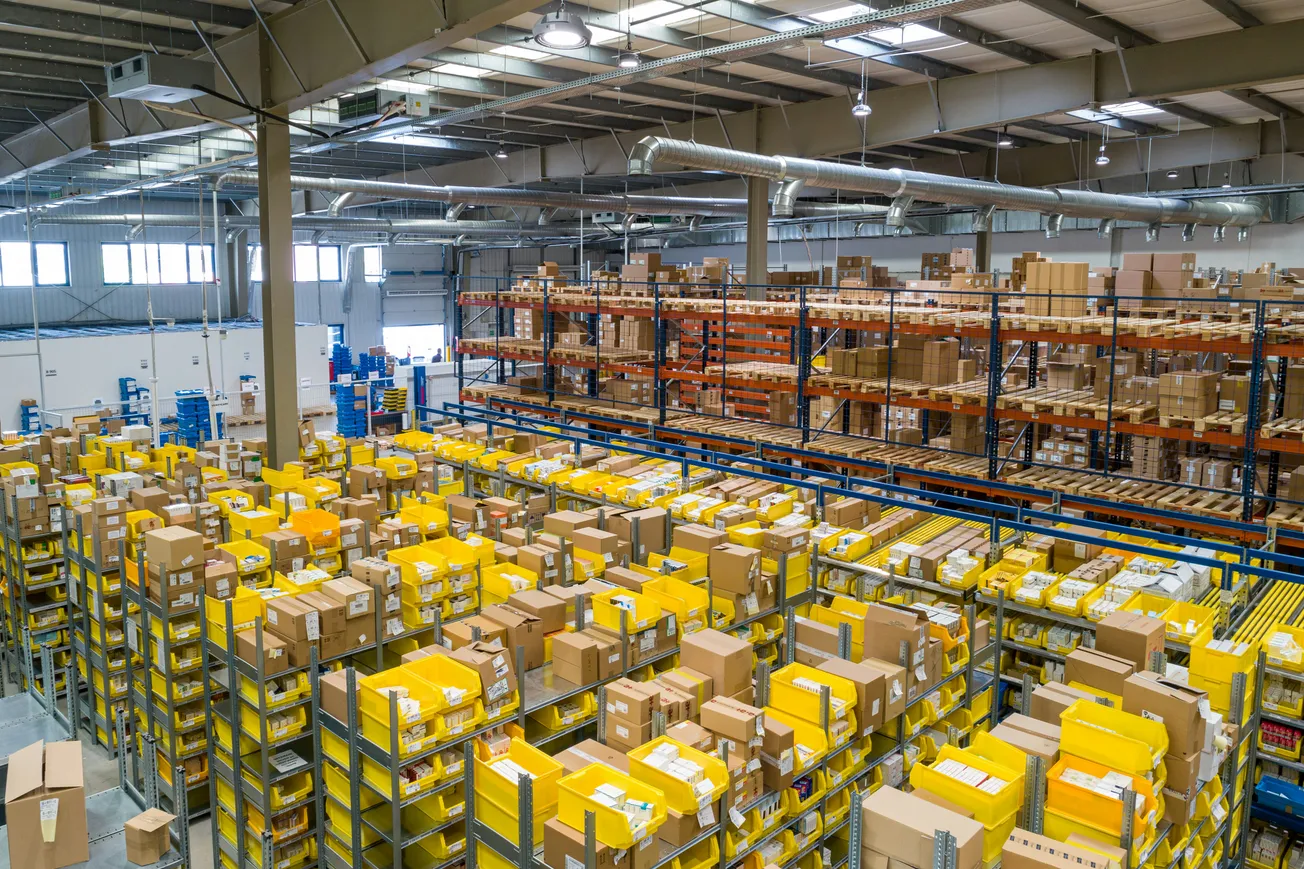
Central to this evolution is the deployment of automated distribution centers (ADCs). Walmart’s investment in these facilities has reached a critical tipping point. These high-tech hubs are designed to increase the speed of throughput while simultaneously reducing the physical strain on associates.
By leveraging robotics and AI-driven sorting systems, the company is shortening the window between a customer clicking "buy" and the package arriving at a doorstep or being ready for curbside pickup.
The Role of Bentonville in Global Retail Innovation
As the epicenter of the retail world, Bentonville, Arkansas, serves as the primary testing ground for these global logistics strategies. The density of vendors, marketing agencies, and technology specialists in the Northwest Arkansas region provides a unique ecosystem where supply chain barriers are identified and dismantled. This proximity allows Walmart to iterate on its omnichannel model in real-time, setting a standard that competitors worldwide strive to emulate.
The integration of technology into the supply chain also addresses the "last mile" challenge—the most expensive and complex part of the delivery process. By transforming local stores into micro-fulfillment centers, Walmart utilizes its massive physical footprint to act as a distributed network of warehouses.
This strategy reduces shipping distances, lowers carbon footprints, and meets the increasing consumer demand for same-day or next-day delivery.
Enhancing Labor and Operational Efficiency
A significant portion of this technological shift involves the collaboration between human intelligence and machine precision. While automation handles repetitive and heavy-lifting tasks, Walmart associates are being upskilled to manage the sophisticated software and hardware powering these facilities. This shift in labor dynamics is a key component of corporate strategy, as it aims to improve retention and operational consistency during peak shopping seasons.
In the most recent quarter, Walmart reported that the density of its delivery network improved significantly, driven by these automated efficiencies.
This "Regeneration" of the supply chain is not just about cost-cutting; it is about resilience. A highly automated supply chain is better equipped to handle fluctuations in consumer behavior, such as the rapid surge in e-commerce or sudden shifts in merchandising demand.
Data-Driven Decision Making in Retail
The omnichannel experience relies heavily on data. Every node in the supply chain now generates actionable insights, allowing for better inventory management and merchandising decisions. Predictive analytics help ensure that the right products are in the right locations before the customer even realizes they need them.
This level of precision is what defines the next generation of retail leadership.
For stakeholders in the Bentonville business community and beyond, Walmart’s progress serves as a blueprint for navigating the digital landscape. The company’s ability to scale these technologies across thousands of locations demonstrates a commitment to maintaining its position as the world’s leading retailer.
As these automated systems become the industry standard, the focus shifts to how smaller vendors and partners within the ecosystem will integrate with this high-tech infrastructure to win with omnichannel retail.
More about Walmart:
 Staff Report
 Staff Report
 Staff Report