
Geopolitical Volatility Rattles Global Equity Markets
Wall Street experienced a day of significant turbulence on Tuesday, March 3, 2026, as investors grappled with the implications of the expanding conflict between the U.S., Israel, and Iran. Following coordinated strikes and subsequent Iranian retaliatory threats, the major indices saw sharp declines.
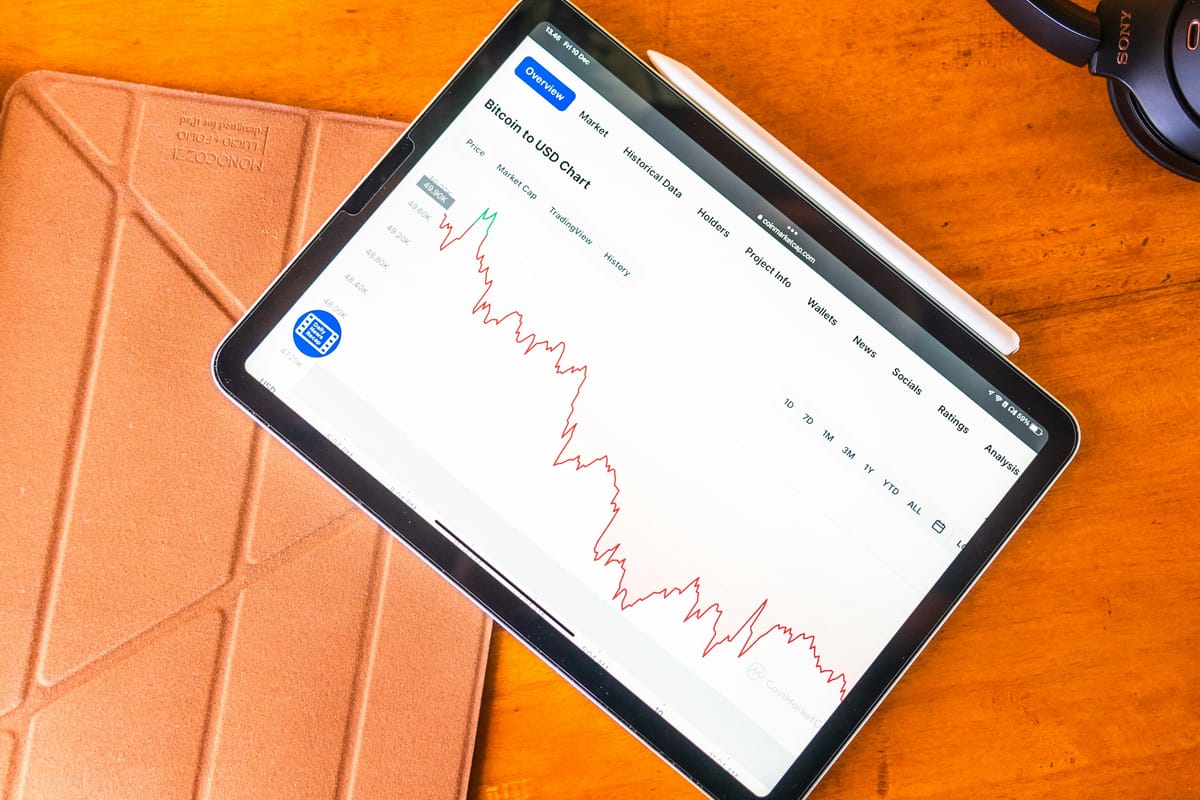
The Dow Jones Industrial Average plunged over 1,200 points in early trading before paring some losses to close down 0.83%. Similarly, the S&P 500 fell 0.94%, and the Nasdaq Composite dropped 1.09%, reaching multi-month lows across the board.
The primary driver of the sell-off is the heightened risk to the Strait of Hormuz, a critical chokepoint for approximately 20% of the world's oil supply. Statements from Iranian officials vowing to "set fire to any ship" attempting to pass through the waterway have added a substantial "war premium" to energy benchmarks. Brent crude surged past $82 a barrel, while West Texas Intermediate (WTI) climbed to an 8.5-month high, raising the specter of a fresh inflationary wave just as central banks were beginning to signal a victory over post-pandemic price increases.
Supply Chain Resilience Under the Microscope
For the retail and logistics sectors, the closure of key maritime and aviation corridors in the Middle East presents an immediate operational challenge. Bentonville-based suppliers and global retailers are facing a "second supply-side shock" that complicates inventory management and omnichannel delivery promises. As fuel costs rise, the price of transporting goods—already under pressure from early-year tariffs—is expected to increase further.
Airlines and travel-related stocks were among the hardest hit on Tuesday. Delta and Royal Caribbean each fell approximately 4%, reflecting concerns over skyrocketing jet fuel prices and regional travel disruptions. In the airfreight sector, the suspension of flights to and from major Gulf hubs has forced a rerouting of Asia-Europe trade lanes, lengthening lead times for high-value consumer electronics and seasonal merchandise.
Strategic Response: Moving Toward Adaptive Networks
The current crisis highlights a shift in corporate strategy from "efficiency-driven" supply chains to "adaptive networks."
According to the World Economic Forum’s latest Global Value Chains Outlook, nearly 74% of business leaders now view supply chain resilience as a growth driver rather than a cost center. Retailers are increasingly prioritizing dual-sourcing strategies and increasing buffer stocks to mitigate the impact of sudden geopolitical chokepoints.
In the retail heartland of Northwest Arkansas, the emphasis is on leveraging technology to maintain visibility. By utilizing real-time data to monitor freight movement and fuel surcharges, firms can adjust their "just-in-time" models to "just-in-case" realities. This proactive stance is essential for maintaining the omnichannel experience, where a delay in a Gulf shipping lane can directly result in an "out of stock" notification for a digital shopper in the U.S.
Inflationary Pressures and the Central Bank Dilemma
The "stomach-churning" volatility on Wall Street reflects a deeper concern regarding interest rate policy. High energy costs act as a tax on both businesses and households, potentially dampening consumer spending during a critical recovery period. If oil prices reach triple digits, as some analysts predict in a worst-case scenario involving a prolonged Hormuz closure, central banks like the Federal Reserve may be forced to keep interest rates "higher for longer" to combat energy-driven inflation.
While President Trump has indicated that the U.S. Navy may begin escorting tankers to secure maritime trade, the immediate market reaction remains one of caution. Gold initially rose as a safe-haven asset before paring gains as investors favored the U.S. dollar. For retail leaders, the focus remains on margin protection and navigating the increased cost of "last-mile" delivery in an environment where fuel prices are rising by nearly 2.5 cents per gallon for every $1 increase in crude oil.
As reported by Reuters and Yahoo Finance, the duration of this shock will be the deciding factor for market stability in the coming weeks. For now, the global retail ecosystem must once again prove its ability to absorb geopolitical shocks while maintaining the flow of goods to a wary consumer base.
More about supply chain:
 Staff Report
 Staff Report
 Staff Report