
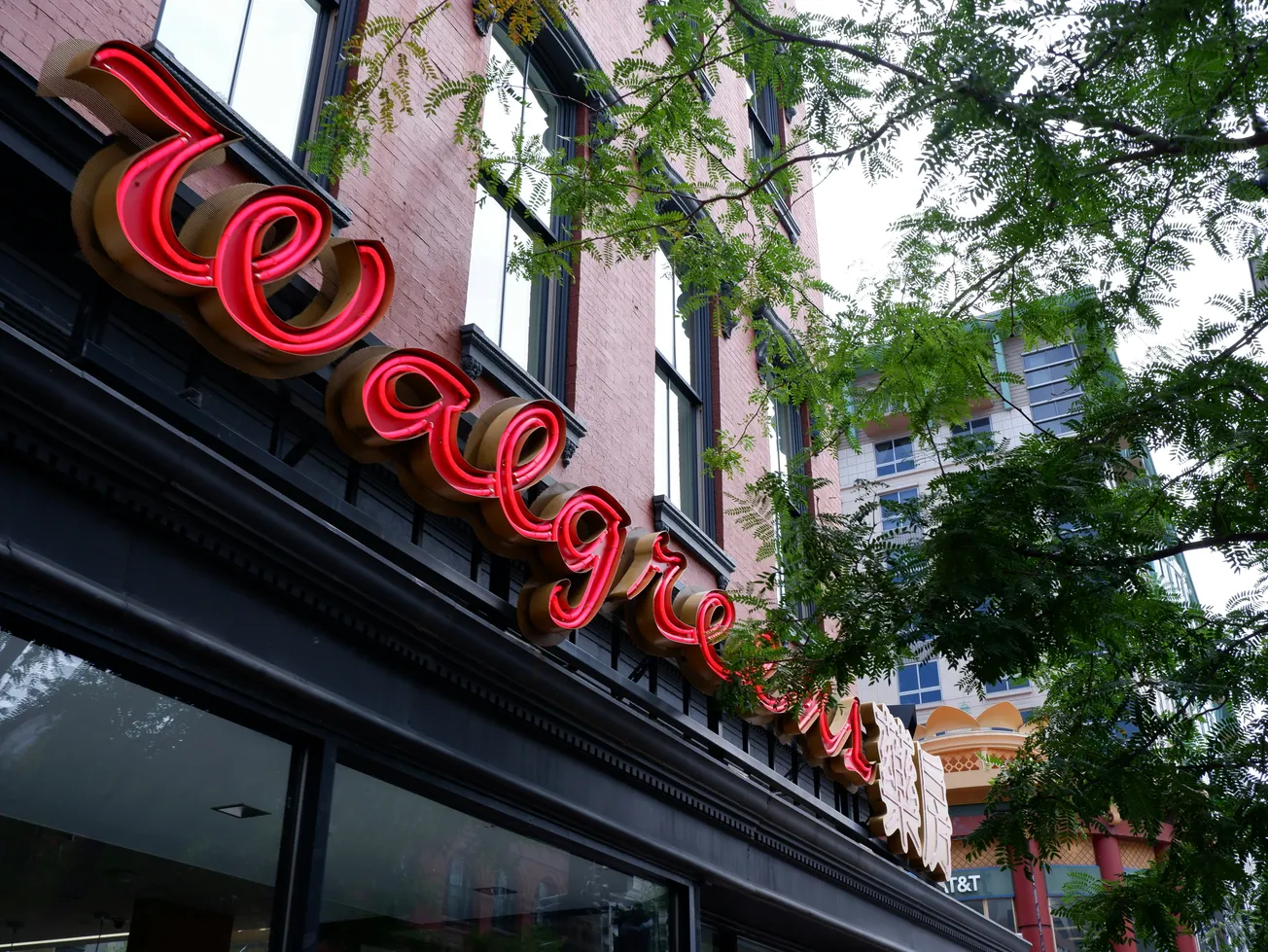
Walgreens, the iconic U.S. pharmacy and retail drugstore chain, announced it is eliminating hundreds of jobs as part of an organizational restructuring effort aimed at simplifying decision-making and improving customer and patient service. The layoff notices filed in Illinois and Texas indicate at least 628 jobs will be affected across Walgreens’ operations.
In Illinois, where Walgreens maintains a significant support center at its Deerfield and Chicago offices, 469 positions are slated to be cut. In Texas, a Houston distribution center closure accounts for another 159 layoffs. These job eliminations are scheduled to take effect on June 1, according to state filings.
A Walgreens spokesperson framed the cuts as part of a broader initiative to become “America’s best retail pharmacy,” emphasizing the need to streamline the organization both at headquarters and among field leadership teams. The company said it remains “committed to supporting” affected colleagues through the transition.
Context: Sycamore Partners’ Ownership and Strategic Shifts
The layoffs at Walgreens come about five months after private equity firm Sycamore Partners completed its approximately $10 billion acquisition of the company, taking Walgreens private in late August 2025. As part of the deal, the business was reorganized into five standalone entities, including the retail pharmacy unit and other healthcare and service operations.
Sycamore Partners, a New York-based private equity firm specializing in retail and consumer businesses, has a history of cost-reduction strategies following acquisitions that often include workforce changes and structural shifts. Critics have raised concerns that such moves, while improving short-term performance metrics, may also lead to additional store closures and staffing reductions.
Industry observers have noted several workforce and policy changes under Sycamore’s ownership, including the elimination of paid holidays for hourly employees, which has drawn scrutiny from labor advocates and policymakers alike.
Broader Retail and Community Impacts
For communities where Walgreens serves as a primary access point for pharmacy services, healthcare products, and basic retail goods, workforce reductions and distribution center closures can have meaningful downstream effects on service levels and accessibility. Retail pharmacy workers, particularly in rural and underserved areas, are integral to delivering daily prescription fulfillment and health services, making staffing stability a key component of local healthcare infrastructure.
Walgreens had previously announced plans to close approximately 1,200 U.S. stores over three years due to ongoing retail challenges, including declining front-of-store sales and competitive pressures in health and wellness categories. These store closures compound concerns about employment stability and consumer access, particularly in markets where drugstore choices are limited.
From a supply chain perspective, the closure of a large distribution facility in Houston highlights the logistical realignment underway at Walgreens. Distribution centers play a critical role in ensuring timely delivery of prescriptions and retail merchandise to stores. Reductions in such infrastructure can require redistribution of volumes across remaining facilities, potentially affecting inventory flow and delivery timelines.
What’s Next for Walgreens and Its Workforce
While Walgreens has not disclosed the full extent of potential future cuts, current actions underscore the ongoing transformation of the drugstore chain under private equity ownership. The combination of workforce reductions, policy realignments, and planned store closures suggests that further operational streamlining may be part of Sycamore Partners’ strategy to reposition Walgreens in an evolving retail healthcare landscape.
As these changes unfold, industry stakeholders — from retail analysts to community health advocates — will be watching closely to see how Walgreens balances cost efficiency with service continuity in the nation’s highly competitive pharmacy market.
More about Walgreens:
 Dan Craft
 Dan Craft
 Dan Craft