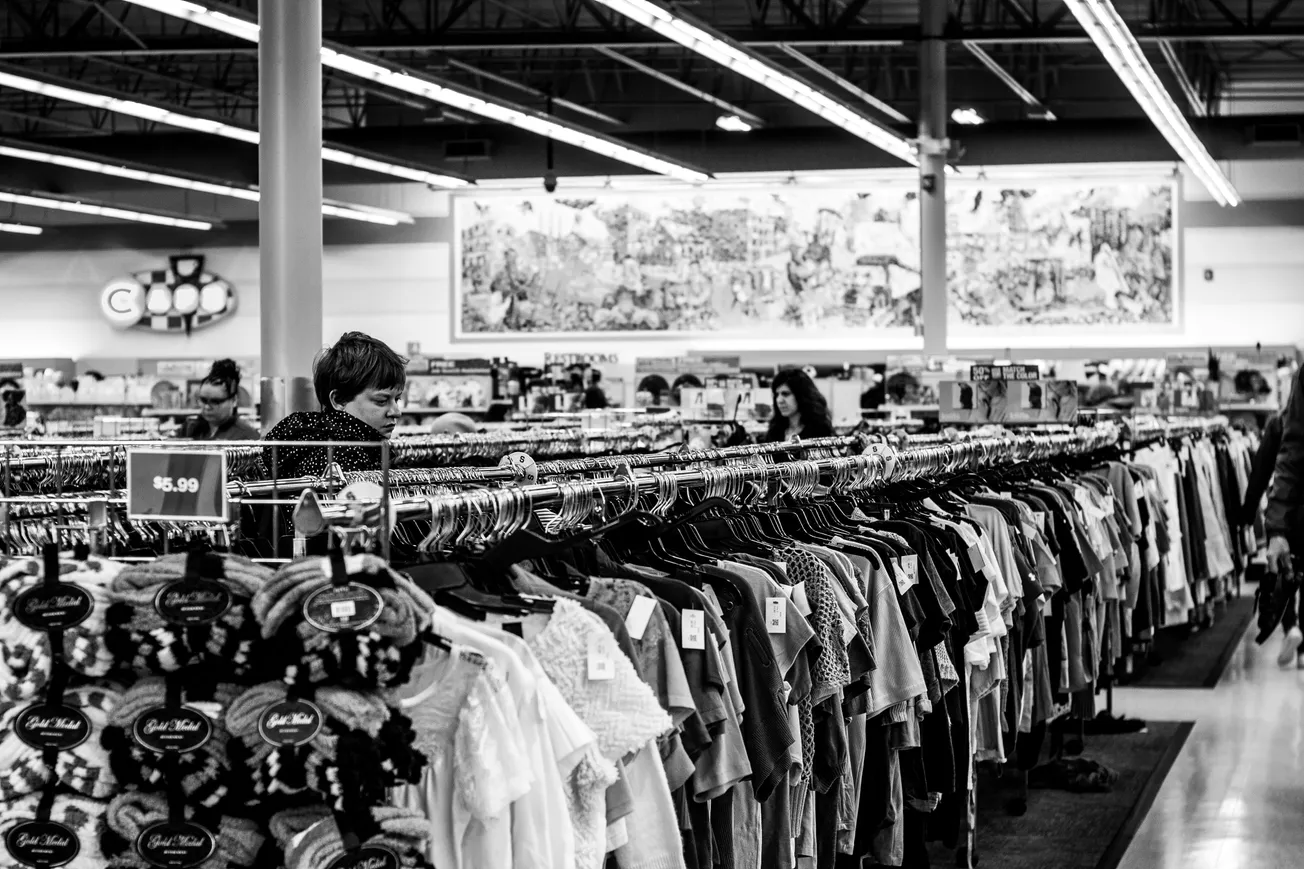

As retailers prepare for Valentine’s Day 2026, expectations around consumer spending are noticeably more tempered than in recent years. A recent RetailWire discussion highlights growing uncertainty around discretionary spending as consumers remain cautious, value-focused, and increasingly selective about seasonal purchases.
Cautious Consumers Shape Seasonal Spending
Industry commentators point to continued pressure on household budgets as a key factor shaping Valentine’s Day behavior. While inflation has moderated compared to prior years, consumers remain sensitive to prices, particularly for non-essential occasions. This has led to expectations that Valentine’s Day spending in 2026 will be stable at best, with limited upside growth.
Rather than broad-based increases, spending is anticipated to be more intentional, with shoppers focusing on fewer recipients, lower price points, or experiences over physical goods. Retailers that rely on impulse-driven gifting may face headwinds as shoppers plan purchases more deliberately or shift spending toward necessities.
Value, Convenience and Emotional Relevance Take Priority
The discussion underscores that consumers are not abandoning Valentine’s Day altogether — they are simply redefining how they celebrate it. Value-oriented gifts such as affordable chocolates, small floral arrangements, cards, and at-home experiences are expected to outperform premium, high-ticket items.
Analysts noted that convenience will continue to play a major role. Buy-online-pickup-in-store, same-day delivery, and last-minute digital gifting options are likely to capture a meaningful share of Valentine’s spend, particularly among younger shoppers and time-constrained households.
Retailers Adjust Assortments and Promotions
Retailers are responding by tightening assortments, focusing on proven SKUs, and emphasizing promotional clarity rather than expansive seasonal inventory. This shift reflects lessons learned from recent years, where excess holiday inventory and markdowns eroded margins.
Several panelists emphasized that promotional strategies will need to strike a careful balance. Heavy discounting risks conditioning shoppers to wait, while modest, targeted offers — especially loyalty-based incentives — may be more effective in driving conversion without sacrificing profitability.
Supply Chain Discipline Remains Critical
From a supply chain perspective, Valentine’s Day remains a time-sensitive event with limited margin for error. Retailers are increasingly cautious about overcommitting inventory, especially in categories like seasonal décor, novelty gifts, and themed apparel.
Shorter lead times, better demand forecasting, and flexible replenishment strategies are becoming essential tools as retailers seek to align inventory levels with more conservative spending expectations. The discussion reflects a broader industry trend toward precision planning rather than seasonal overextension.
Marketing Shifts Toward Meaning Over Magnitude
Marketing messaging around Valentine’s Day 2026 is expected to lean into emotional connection, personalization, and authenticity rather than extravagance. RetailWire contributors suggested that storytelling, localized campaigns, and practical gifting ideas may resonate more strongly than aspirational luxury narratives.
Retailers that successfully frame Valentine’s Day as an accessible, thoughtful moment — rather than a high-pressure spending event — may be better positioned to capture share in a cautious consumer environment.
What Valentine’s Day 2026 Signals for Retail
The outlook for Valentine’s Day 2026 serves as a microcosm of broader retail dynamics. Consumers are still spending, but with heightened scrutiny and clearer priorities. For retailers, success will depend on aligning inventory, pricing, and messaging with a shopper who values relevance, simplicity, and emotional return on spend.
As seasonal retail continues to evolve, Valentine’s Day is less about how much consumers spend — and more about how intentionally they choose to spend it.
More about holiday retail:
 Staff Report
 Staff Report
 Staff Report