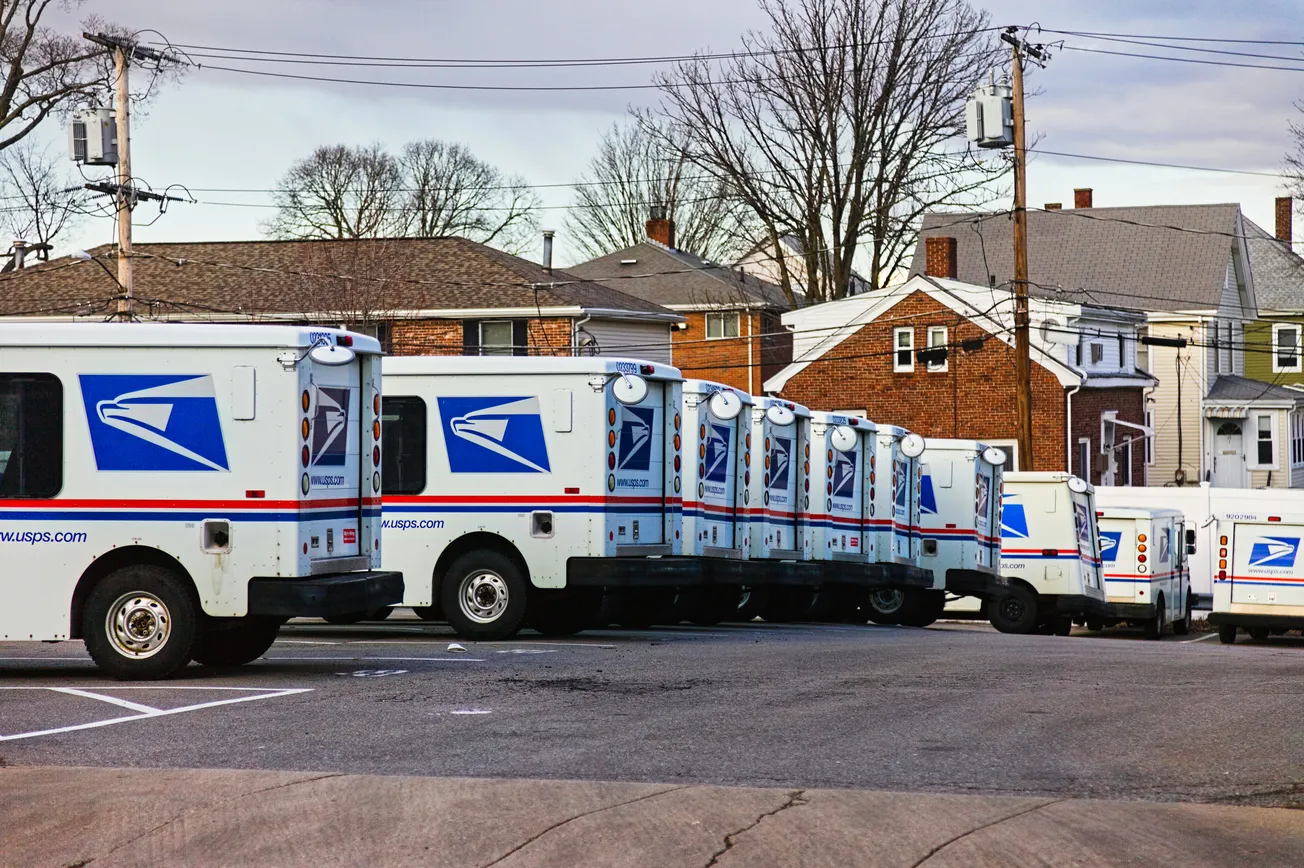
The United States Postal Service (USPS) is officially testing a new "Picture Proof of Delivery" (PPOD) capability, aiming to close the technological gap with private sector competitors like FedEx and UPS. According to internal memos and agency spokespeople, the pilot program is currently active in select portions of four major metropolitan areas: Phoenix, New York City, Dallas, and Fargo. This initiative represents a significant step in Postmaster General David Steiner’s broader strategy to modernize the agency’s delivery infrastructure and improve guest experience metrics.
The test utilizes a new camera feature integrated into the Postal Service’s Mobile Delivery Device (MDD) application. This allows mail carriers to capture a digital image of a package at the moment of delivery, providing a "consistent, system-integrated method" for verification. While the technology is currently in a field-test phase and images are not yet accessible to the public, the move signals a shift toward the high-transparency standards now expected in the omnichannel retail landscape.
Addressing the Cost of Delivery Disputes
For the USPS, the move toward photographic evidence is as much about operational efficiency as it is about customer service. As e-commerce volumes continue to rise, so do the number of inquiries, insurance claims, and delivery disputes. Without visual confirmation, resolving these issues often requires labor-intensive investigations that can strain agency resources.
"As delivery volumes increase and customer expectations evolve, the absence of photo-based proof of delivery limits the ability to efficiently resolve inquiries, claims, and disputes," the USPS stated in a memo. By providing a clear record of where and when a package was left, the agency hopes to drastically reduce "not received" claims and provide retailers with greater confidence in the last-mile journey. For vendors and agencies in the Bentonville ecosystem, this increased reliability is crucial for maintaining the integrity of the shopper journey from click to porch.
Competitive Parity in the Parcel Market
The adoption of PPOD is a direct response to the market dominance of private parcel carriers who have offered similar features for years. FedEx, for instance, has successfully leveraged its picture proof features to secure new business and improve its ground service rankings. By matching these capabilities, the USPS is positioning itself as a more viable partner for high-volume retail shippers who require robust data to manage their logistics networks.
This pilot program is part of the larger "Delivering for America" modernization plan, which has already seen the introduction of Informed Delivery—a service that provides grayscale images of incoming letter-sized mail. Expanding this photographic transparency to the parcel side is seen as the next logical progression in demystifying the delivery process for the modern consumer.
Impact on Omnichannel Retail Strategy
The integration of real-time delivery photos into the USPS workflow has significant implications for omnichannel retailers. Reliable last-mile data allows brands to refine their communication strategies, providing shoppers with instant peace of mind and reducing the burden on customer support centers. In an era where the "front porch" has become a vital retail touchpoint, the ability to verify successful delivery through technology is no longer a luxury but a baseline requirement.
As the USPS continues to evaluate the results of the Phoenix, Dallas, New York, and Fargo tests, industry leaders expect a wider rollout later in 2026. This technological advancement, combined with proposed changes to dimensional reporting requirements, highlights the agency’s commitment to becoming a more data-driven and competitive player in the global supply chain.
More about USPS:
 Staff Report
 Staff Report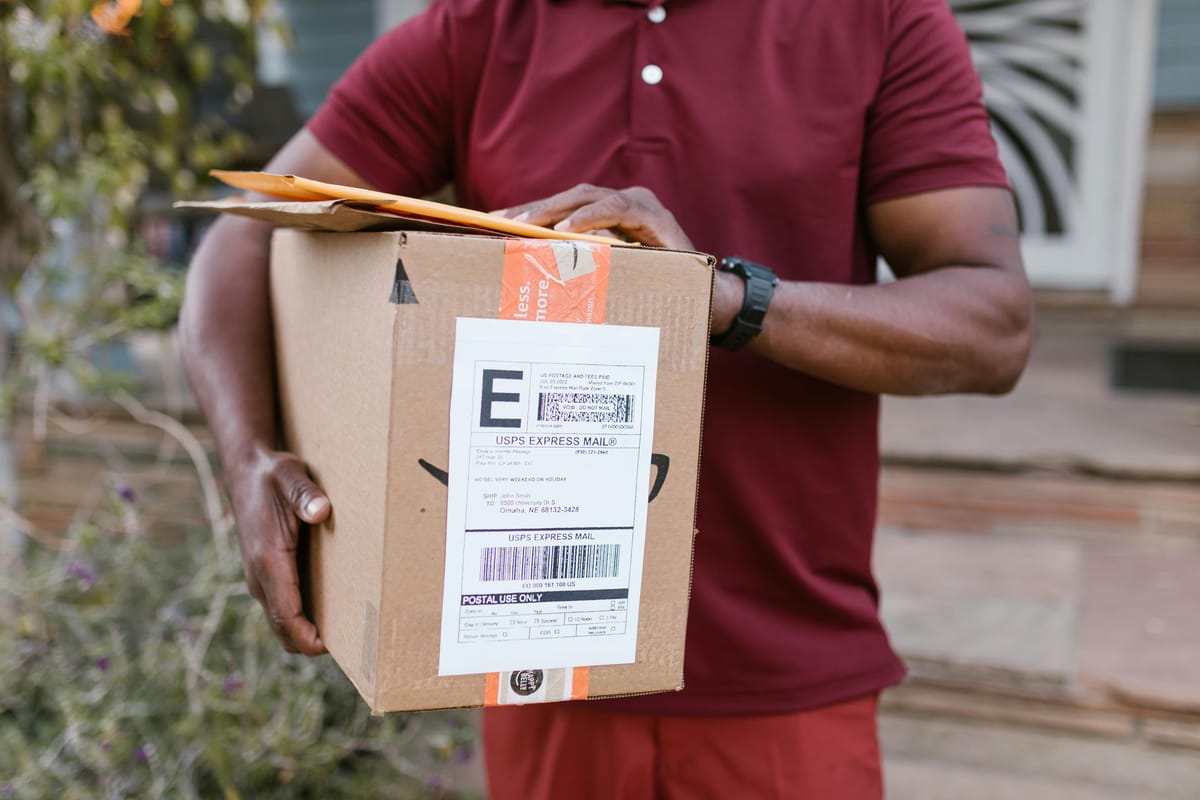
 Dan Craft